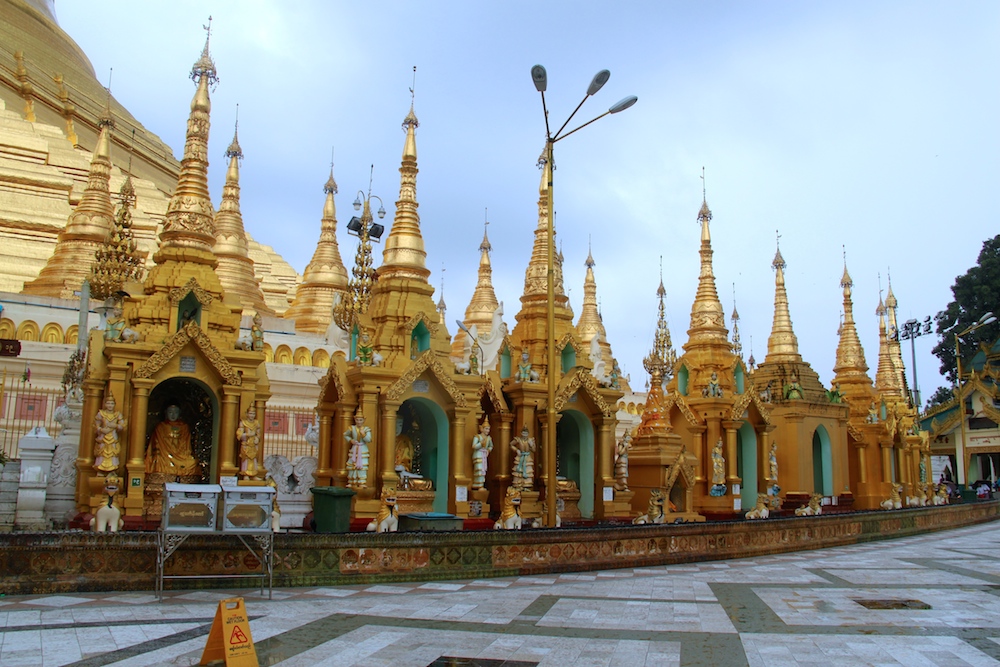
YANGON
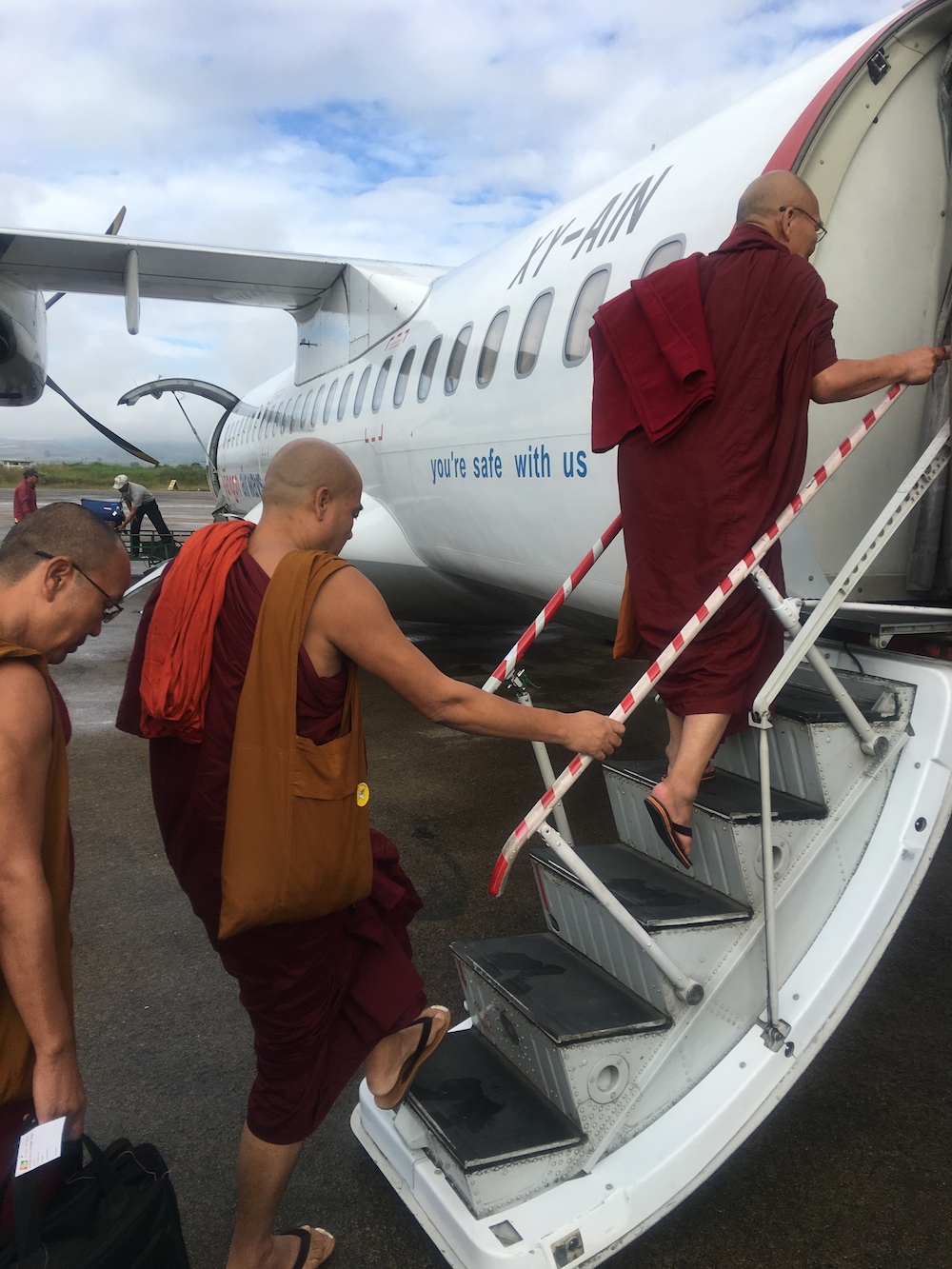
There are no direct flights from Sri Lanka to Myanmar so we patched a Sri Lankan Air flight with a Bangkok Airways flight and landed in Yangon after 5 hours of flight and an hour and a half layover in Bangkok.
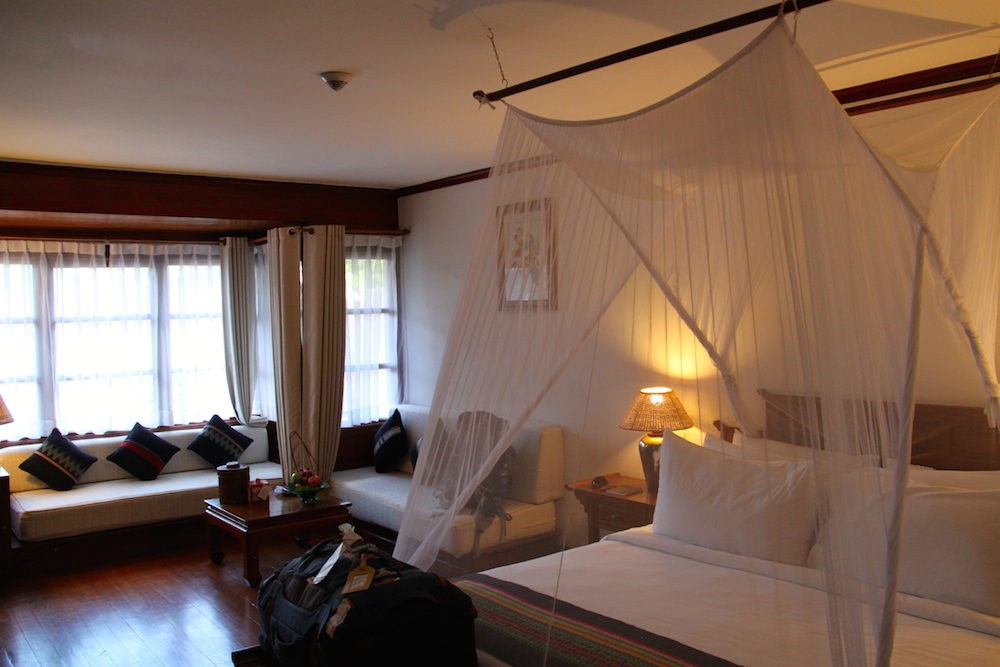
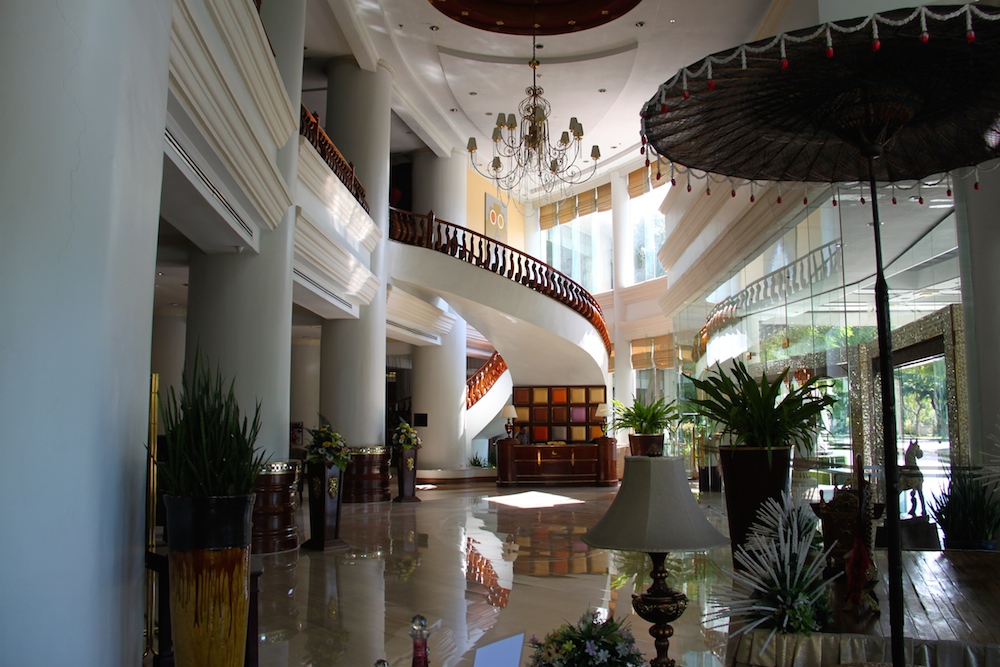
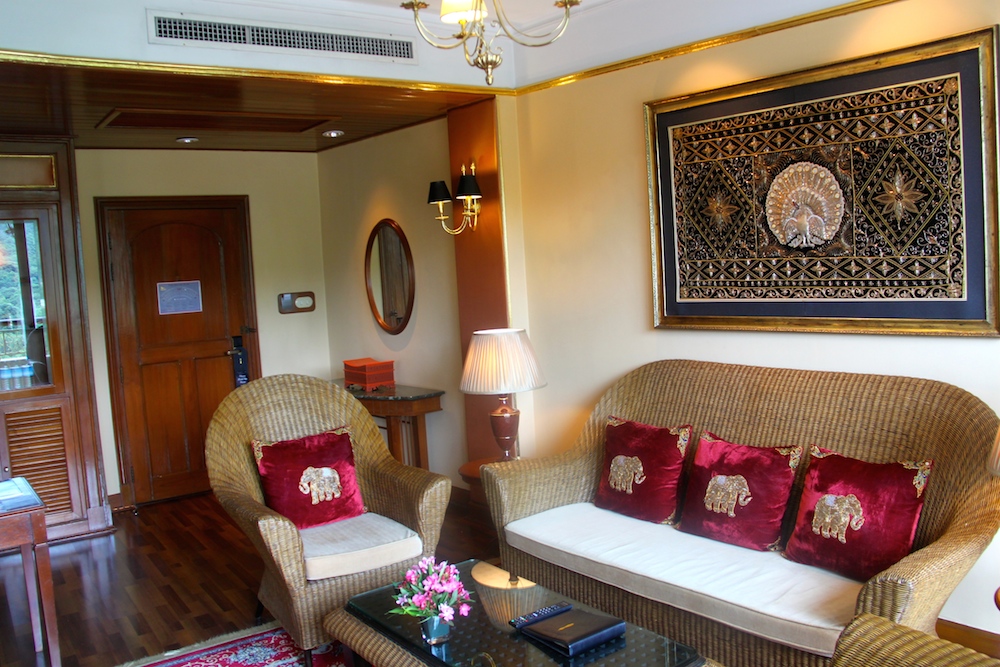
We are staying at the Belmond Governors Residence Hotel.
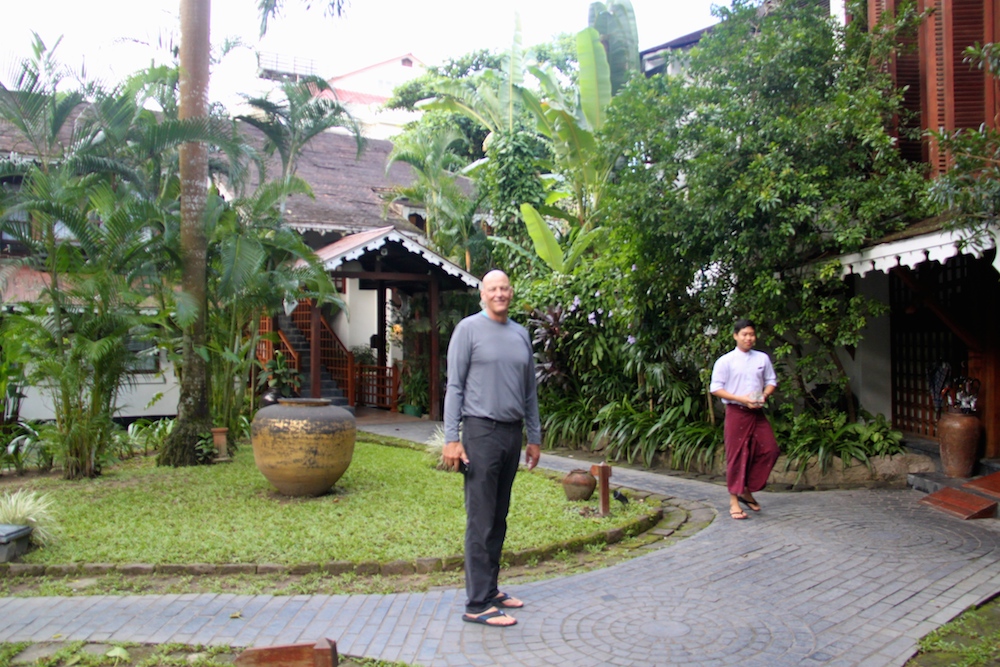
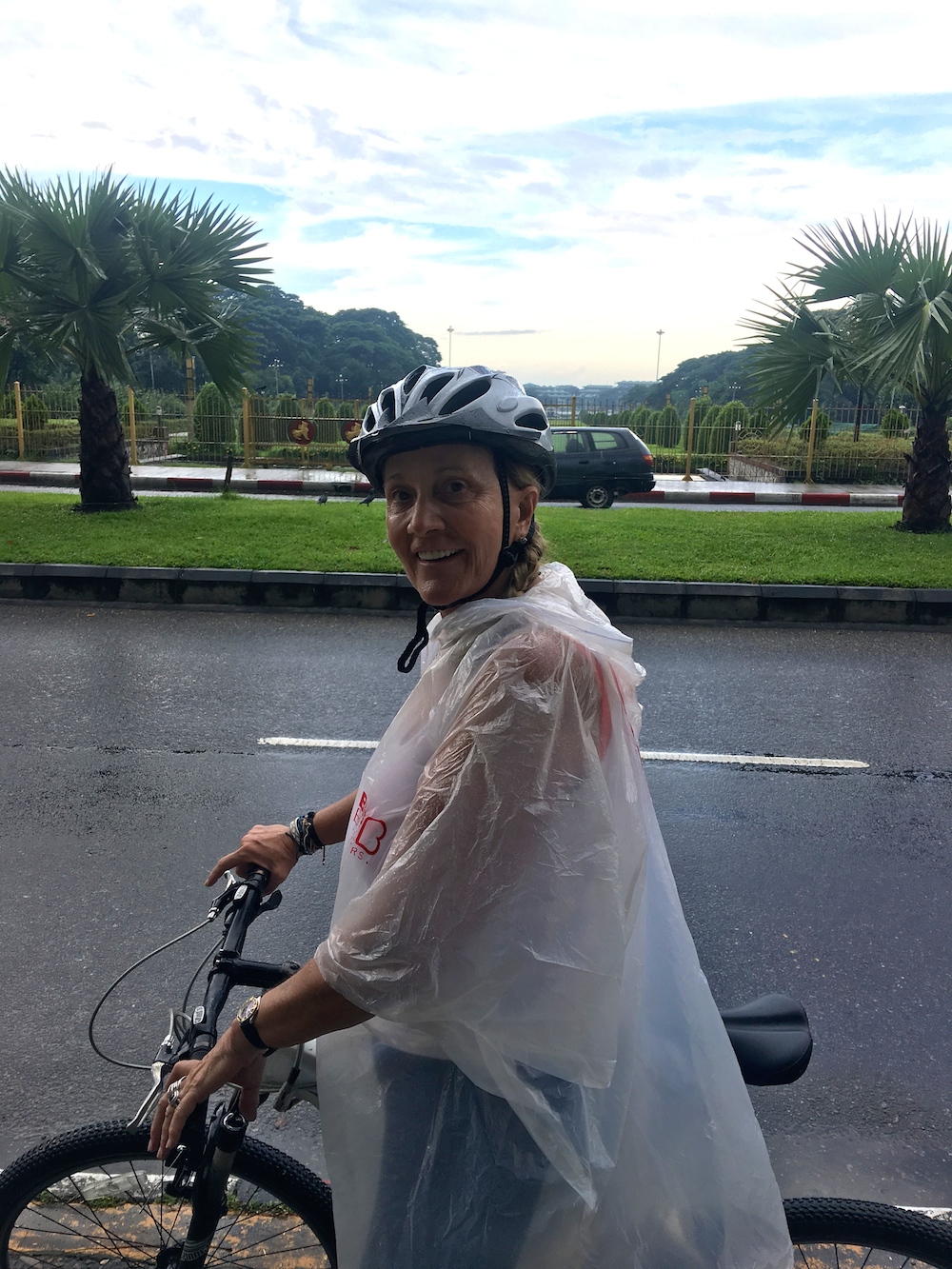
The Governors Residence Hotel had two complementary bicycles so we decided to ride 30 minutes through town to the Pagoda. A little rain never stopped us but we did get lost both going and coming back home to the hotel. As a result we spent an extra 20 or 30 minutes riding through Yangon neighborhoods in the rain – no big deal. It is always and adventure!

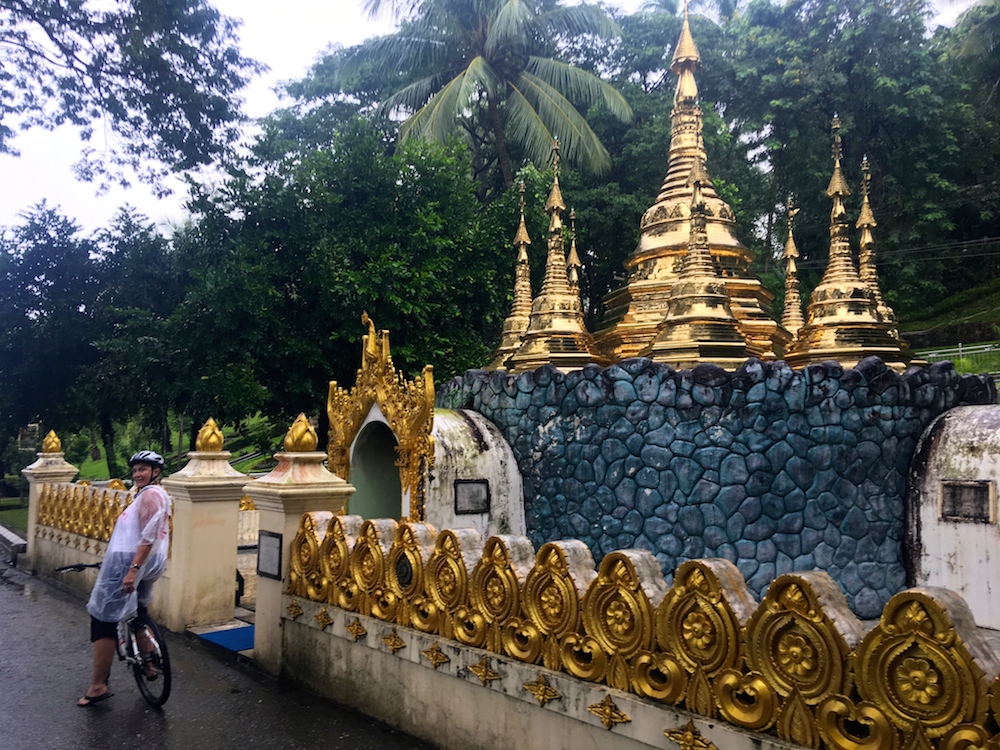
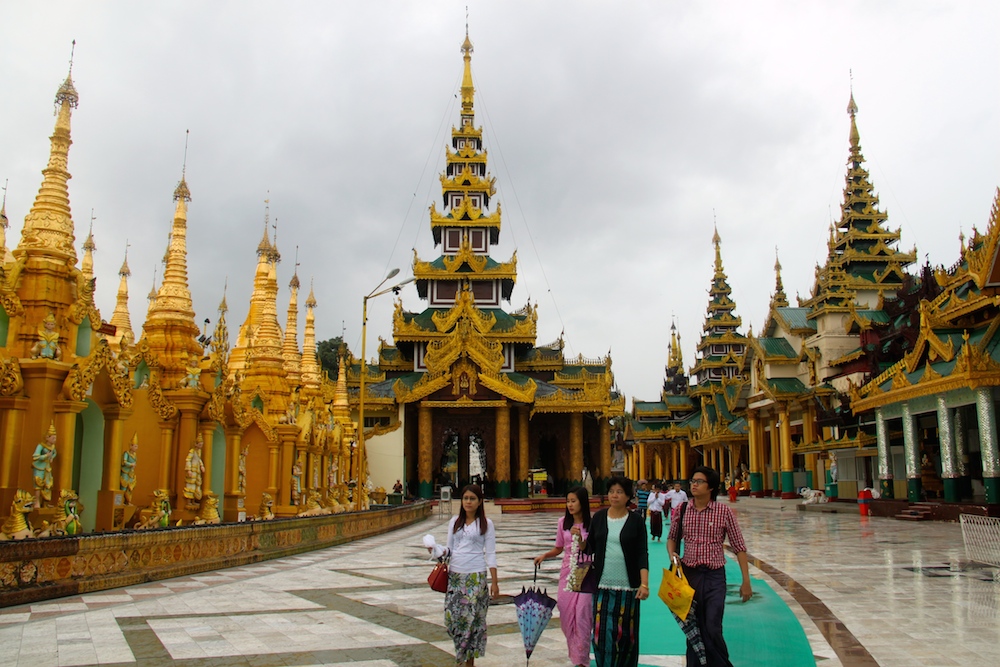
Yangon is known for the Shwedagon Pagoda, which legend has us believe, was built more than 2600 years ago. In India, Prince Siddhartha had just become Buddha when two merchants from Myanmar offered him honey cakes. In return the Buddha pulled 8 hairs from his head and gave to the merchants who took them back to their village (now the City of Yangon) where they presented the hairs to their King who built the Pagoda to enshrine the hair. Subsequent Kings built onto the Pagoda and embellished it until it now is an impressive gold plated shrine with gold bells and over 79,000 diamonds including a 76 karat diamond at the tip of the 326 foot Pagoda.
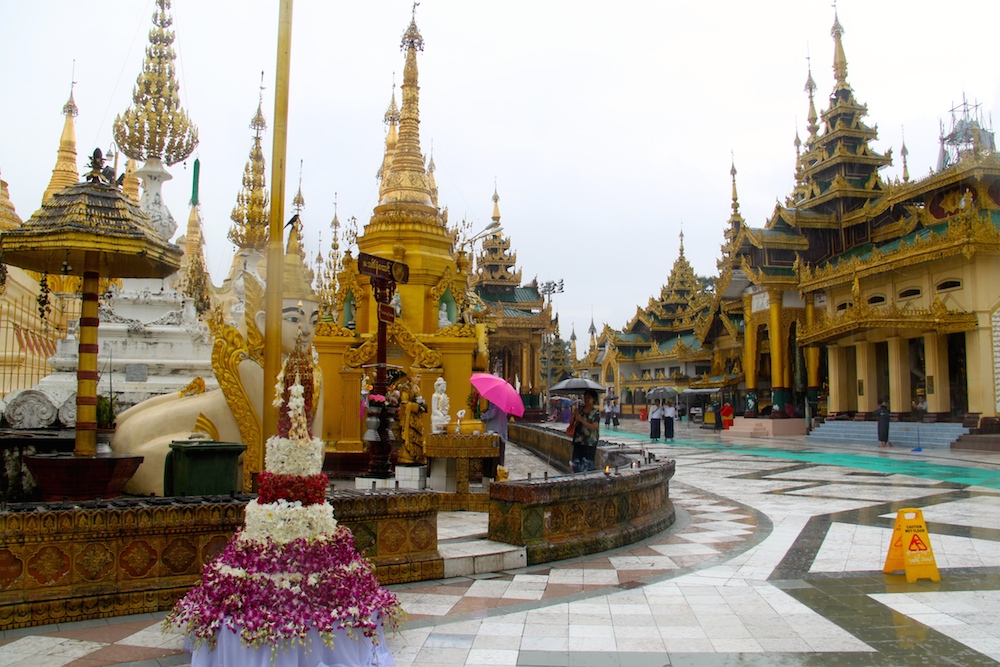
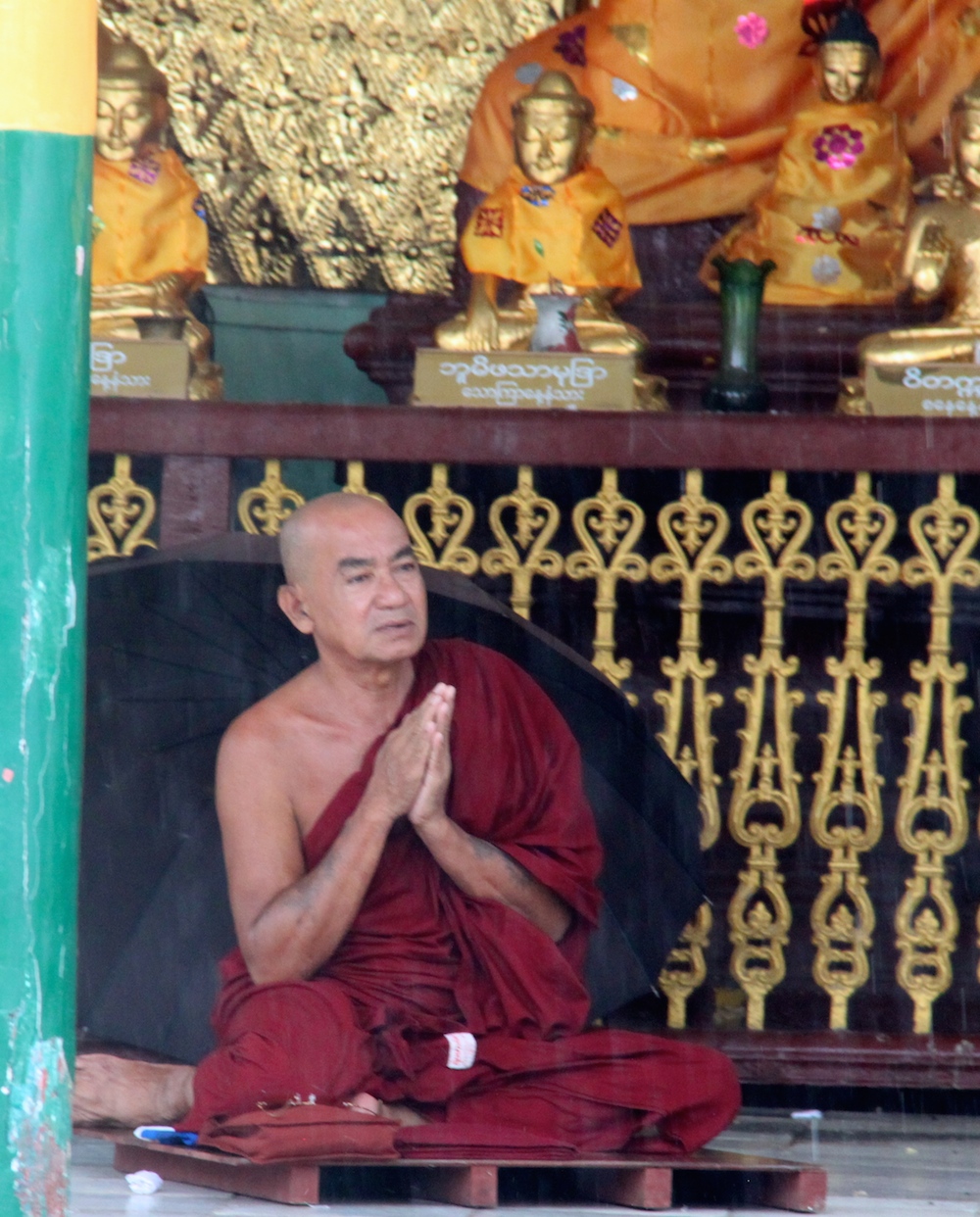
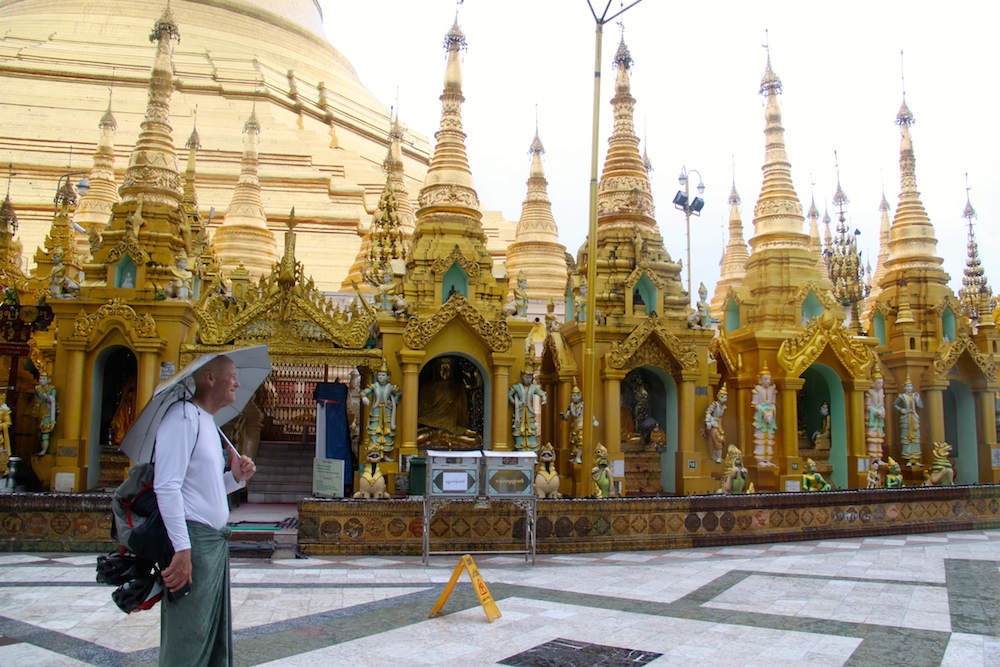
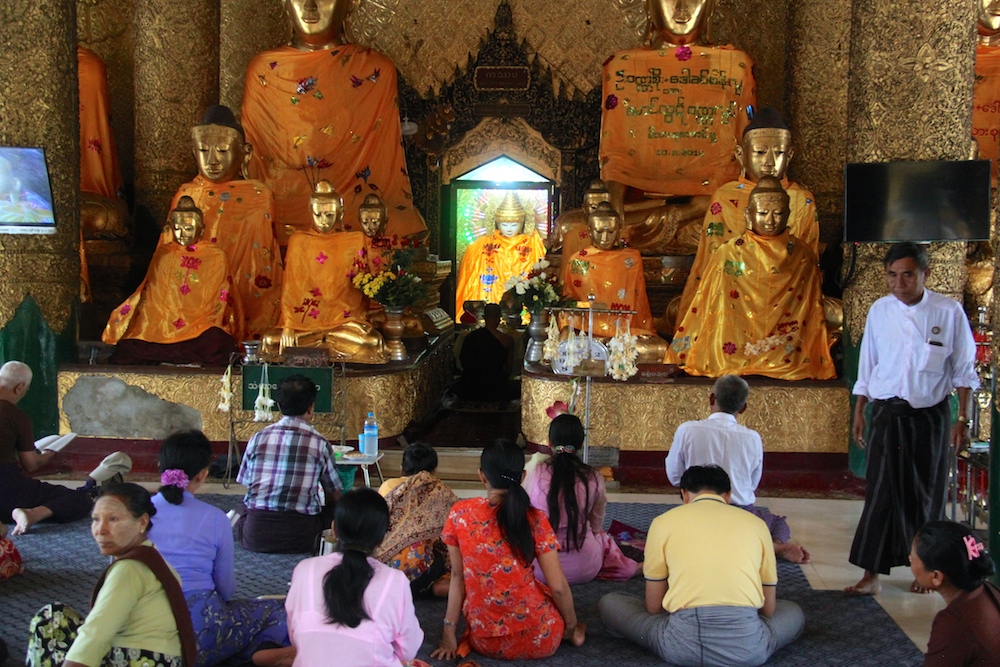
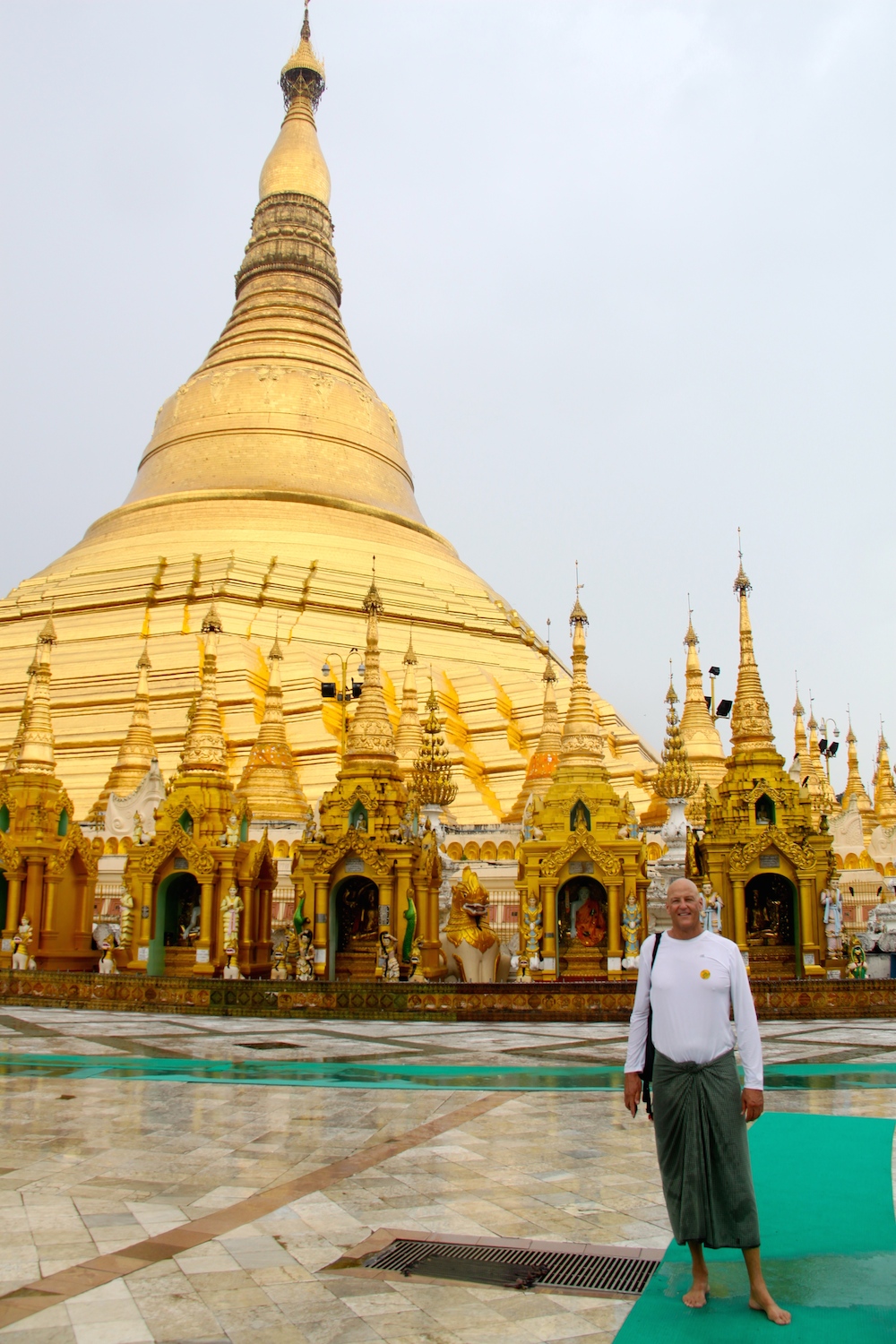
There are 79,569 diamonds and precious stones on the Pagoda. One of the diamonds is 76 karats.
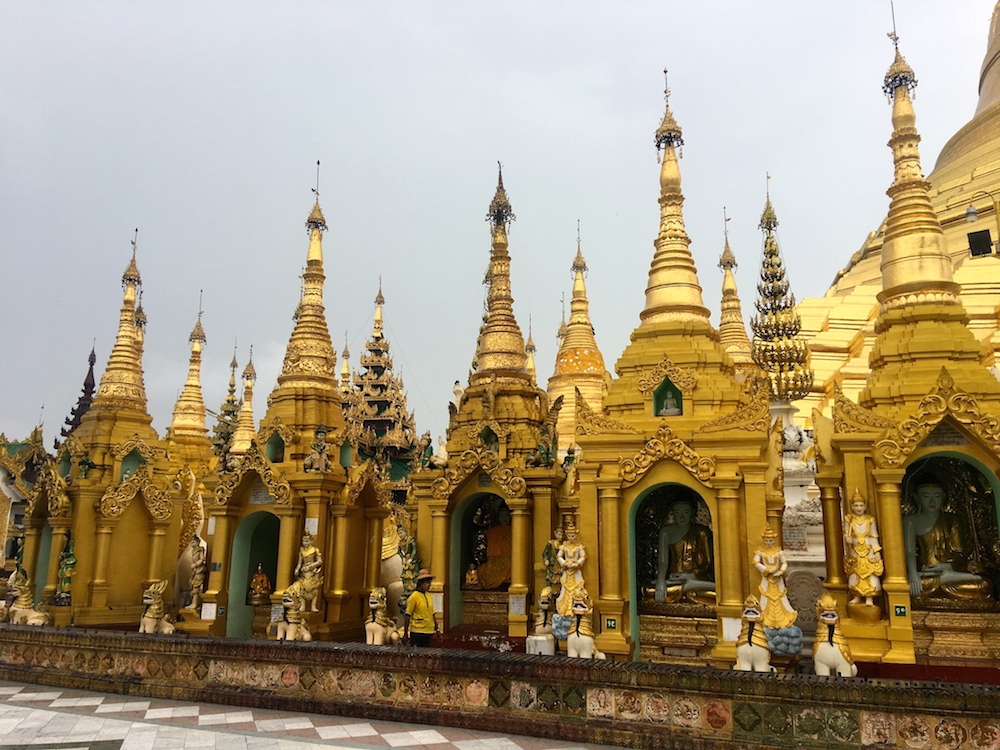
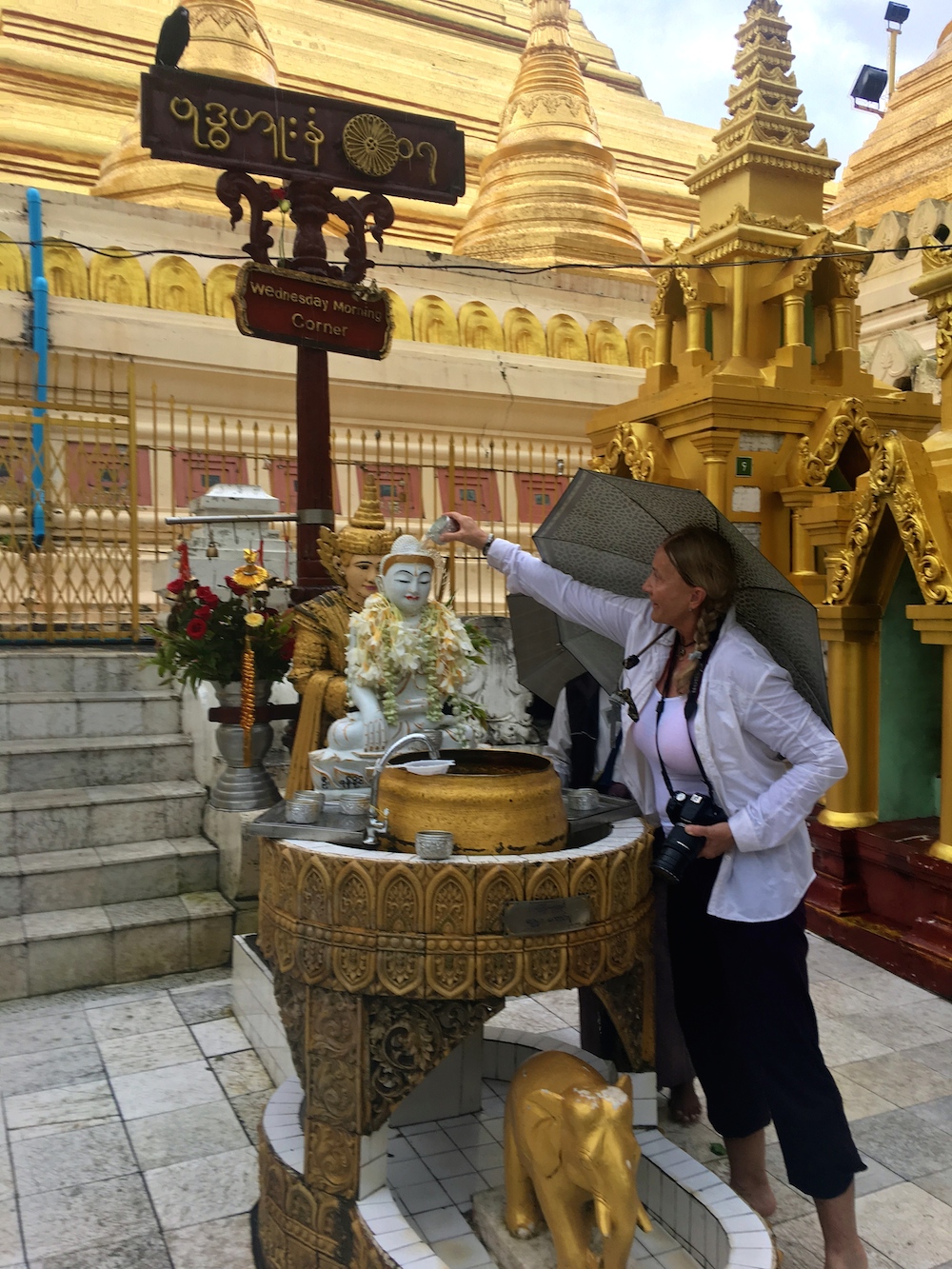
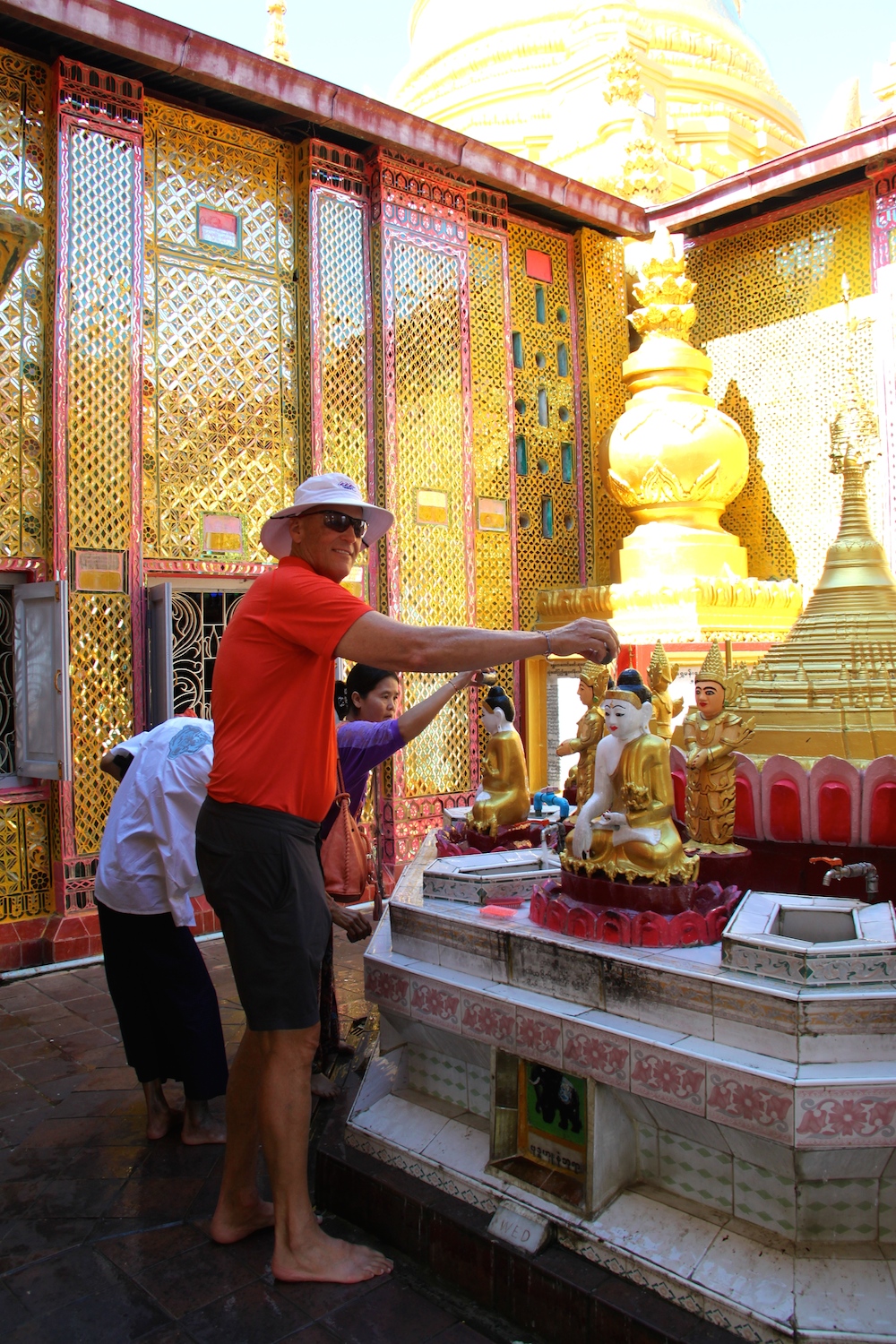
Barb is being instructed by a professor. She was born on a Wednesday, so she goes to the Wednesday Corner. You pour the water over the Buddha 3 times, making a prayer and a wish. Then you pour water on the guardian angel behind the Buddha, and then water on the animal below that represents that day. Wednesday’s animal is an elephant. After all of this is done, then a special prayer is said. The whole time, the professor was praying for me. He prayed for good health, long life, and wished for good prosperity.
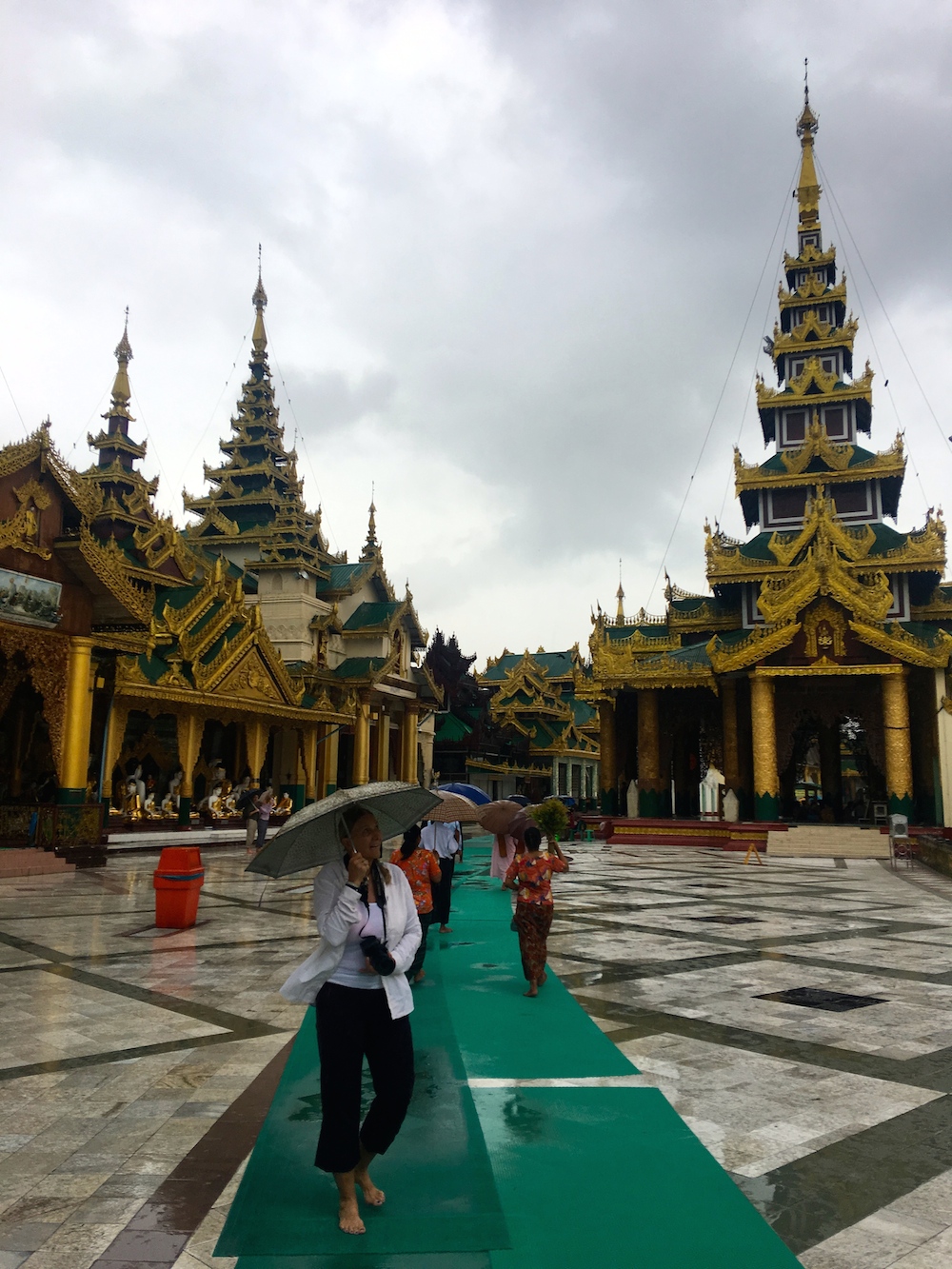
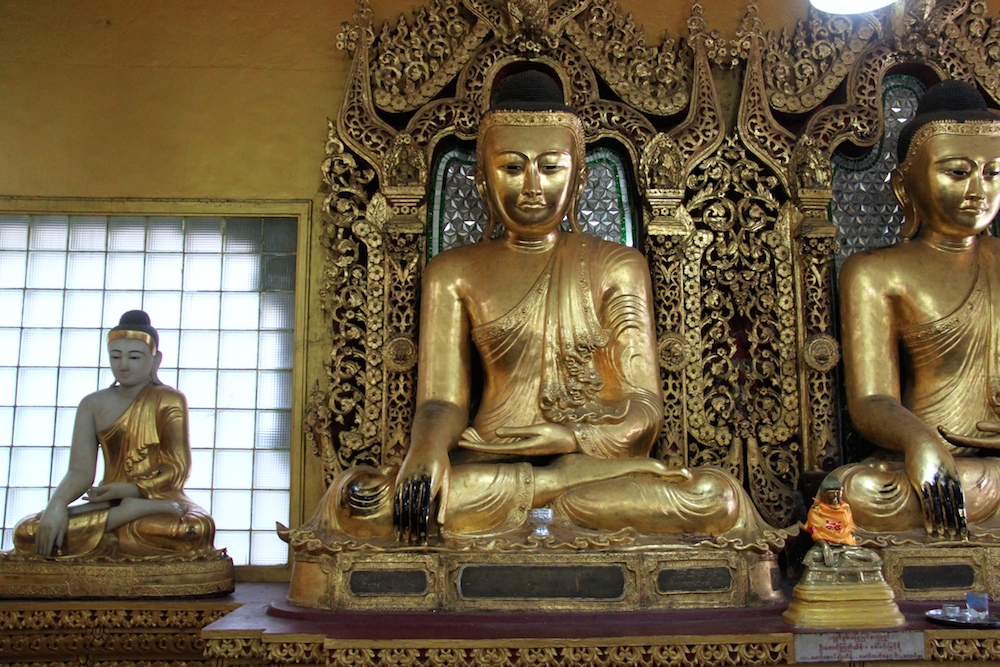
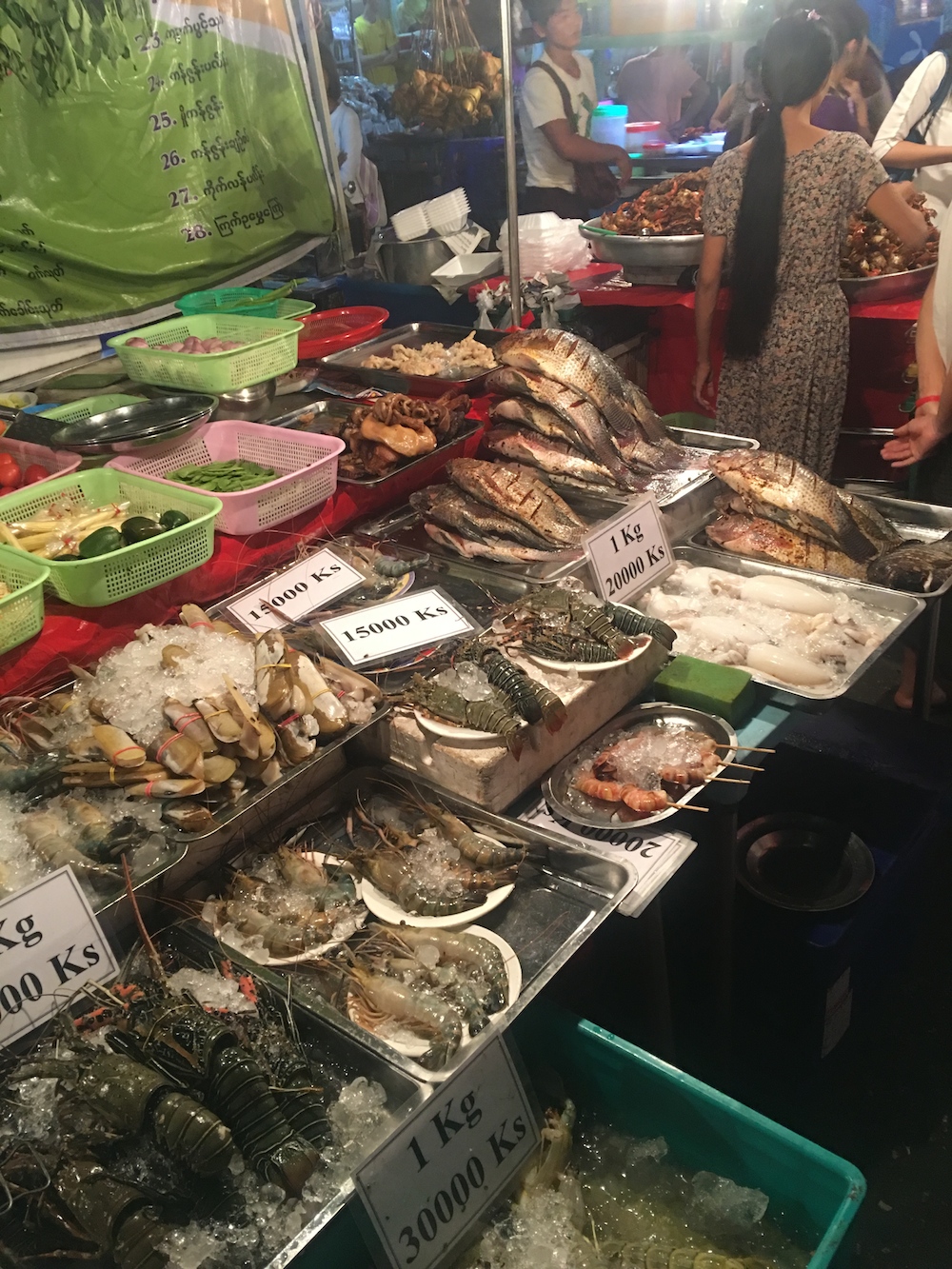
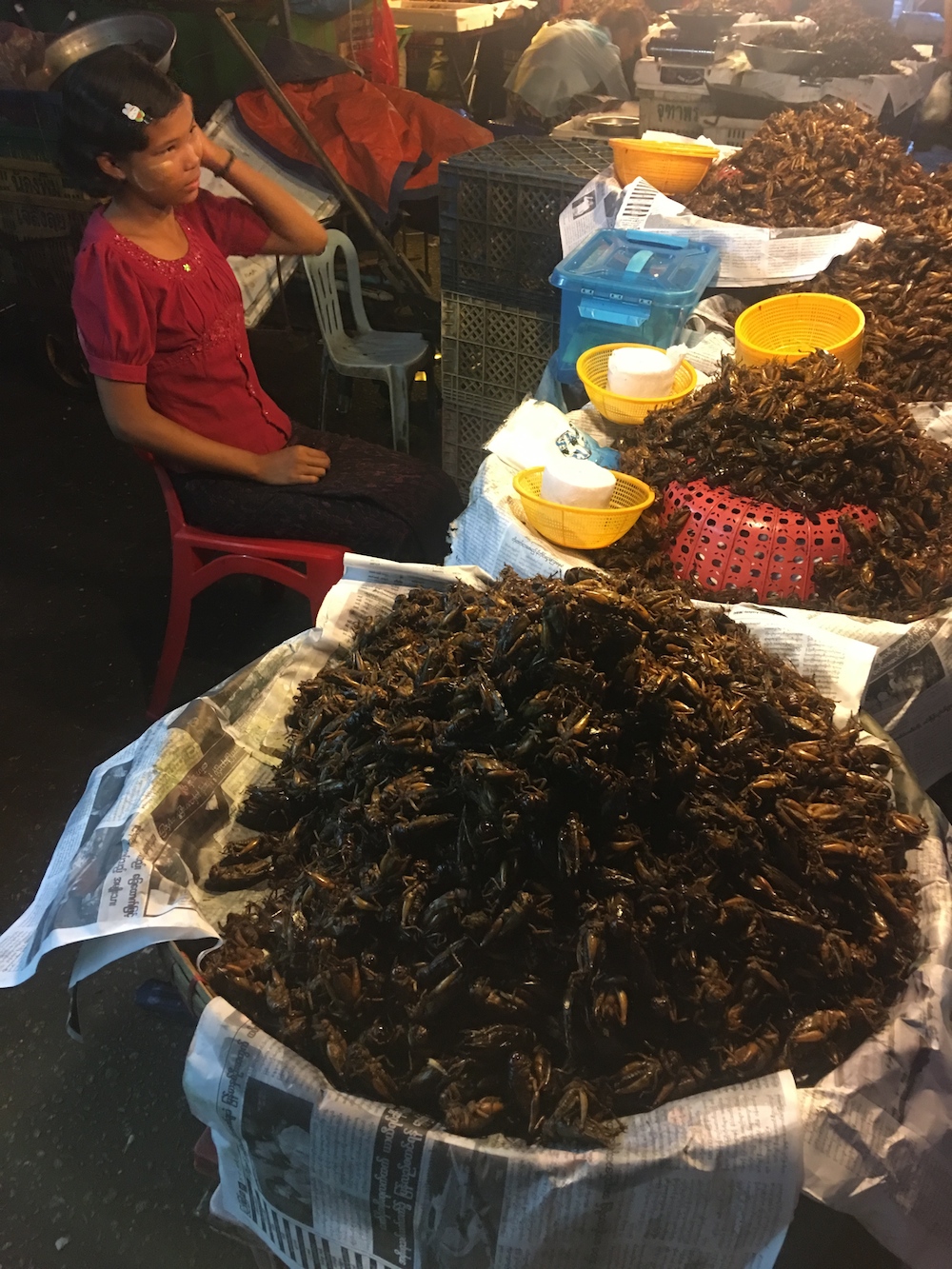
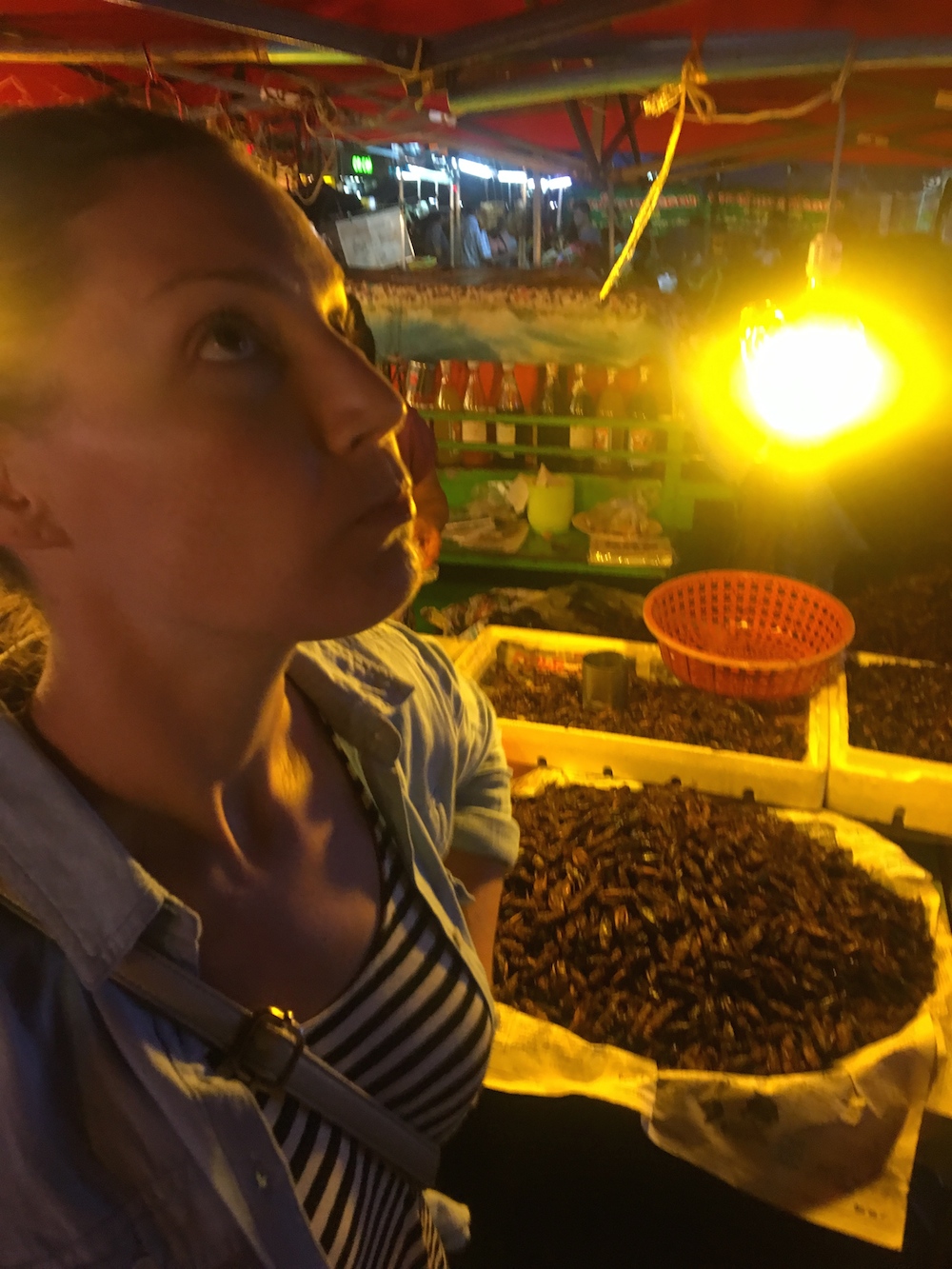
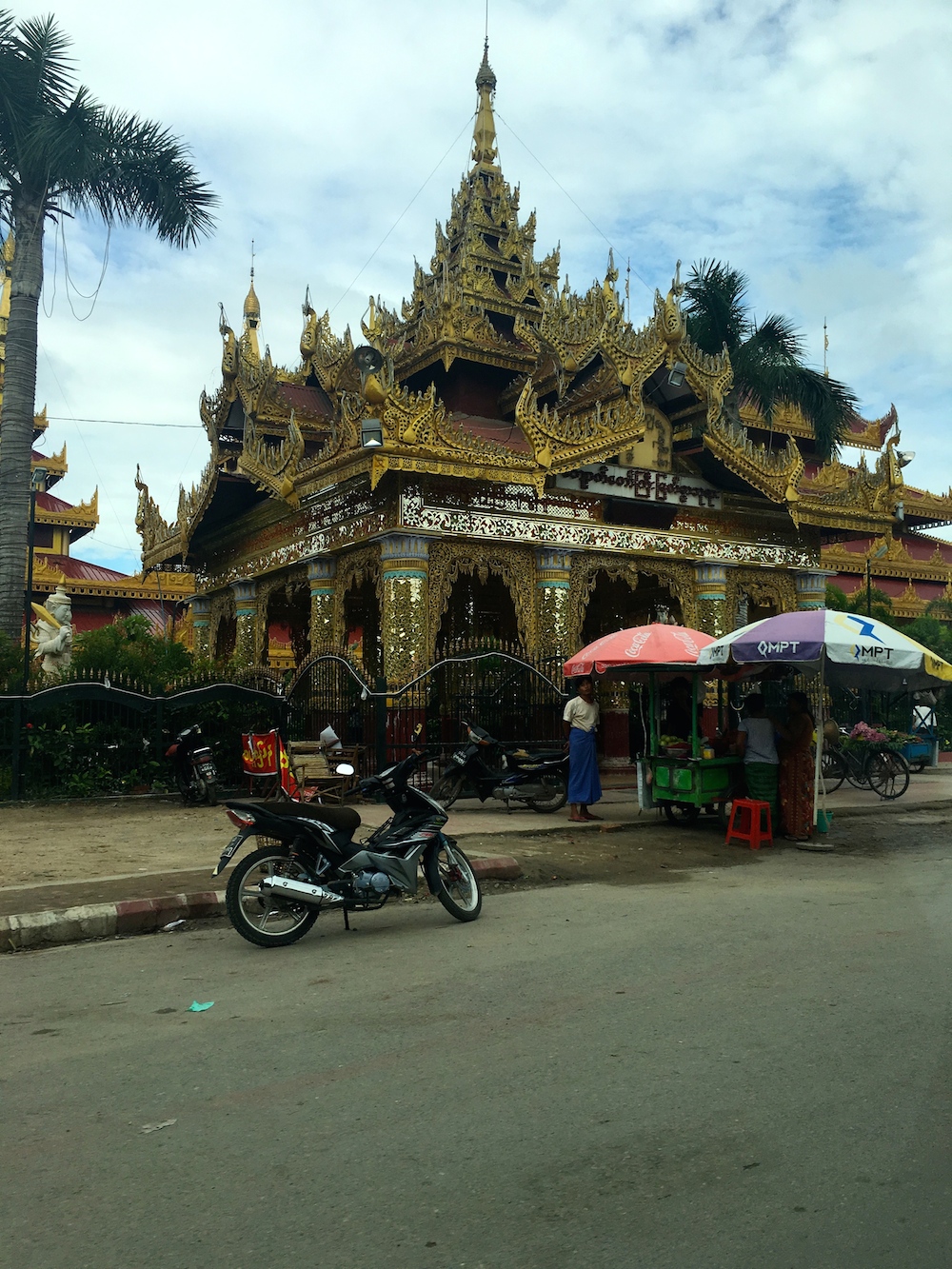
On our way out of Myanmar we spent one more night in Yangon in order to catch our flight. We went to a Chinese temple and the market. One of the girls decided to eat what looks like a cockroach to us!
BAGAN
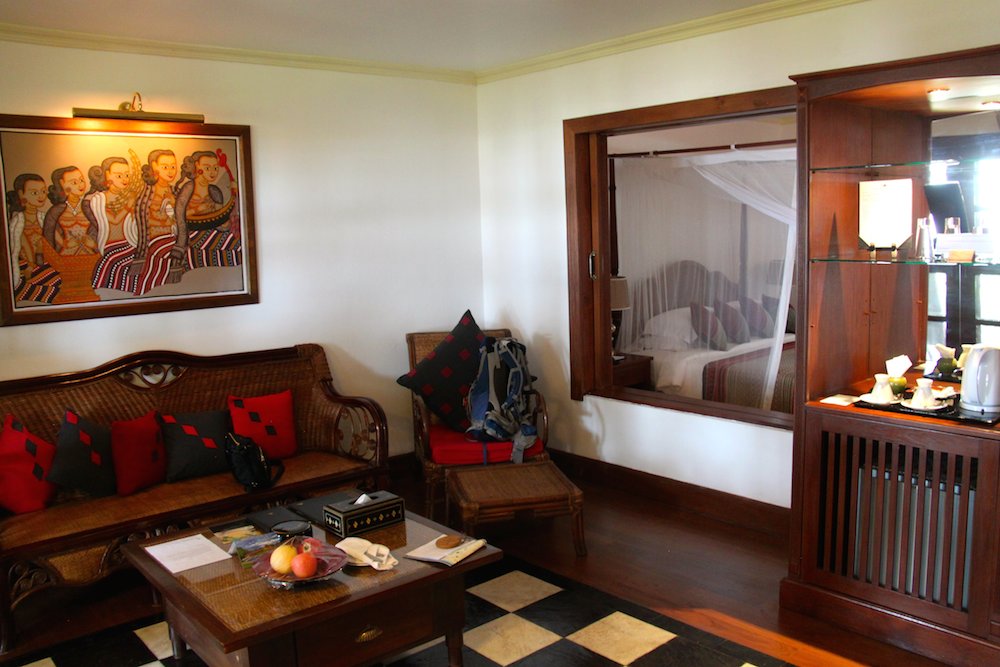
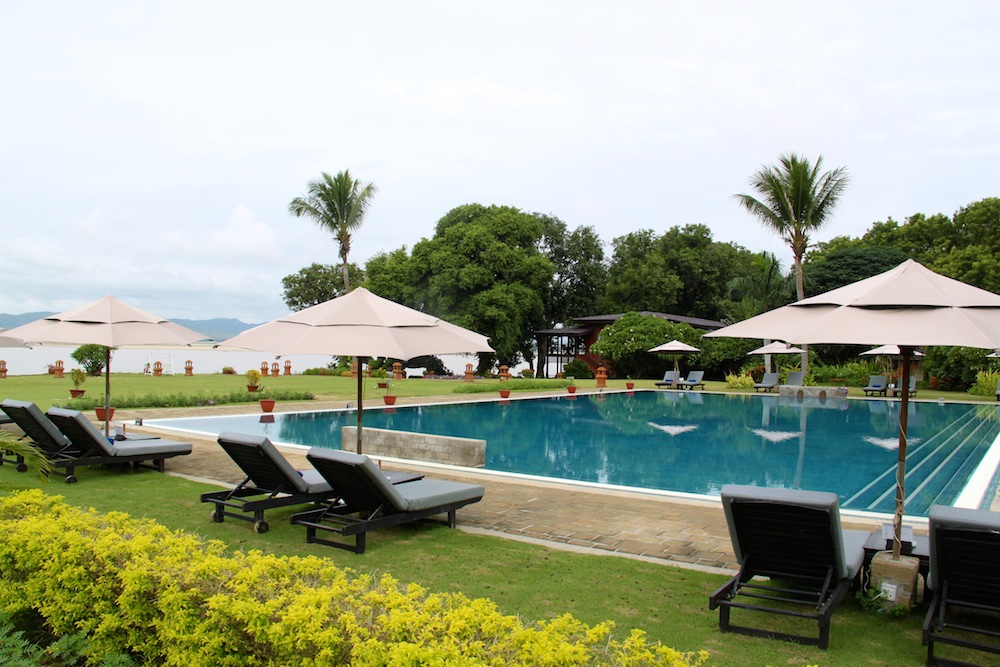
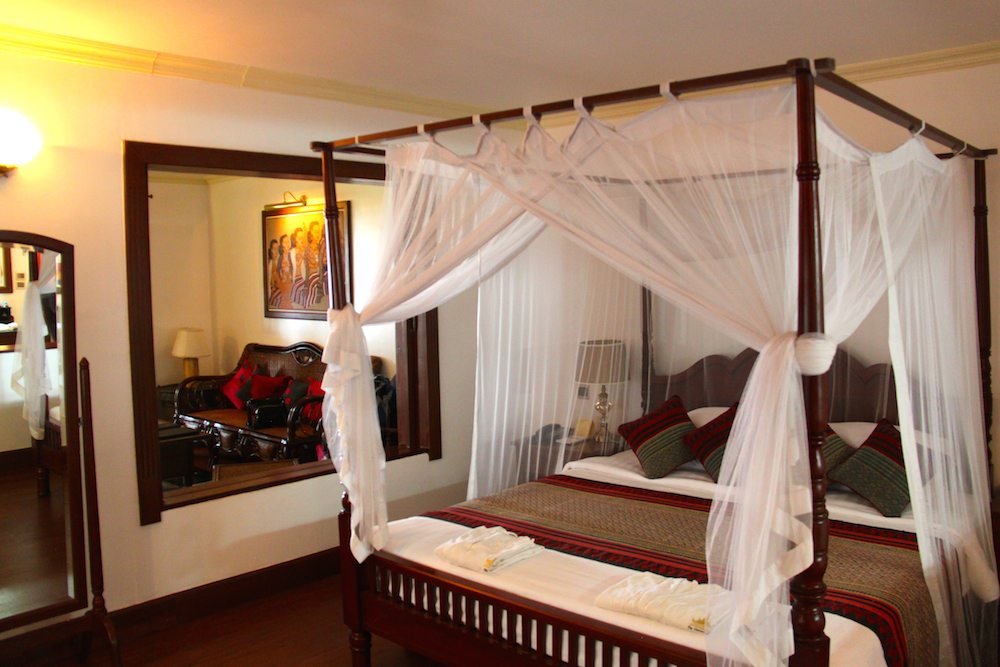
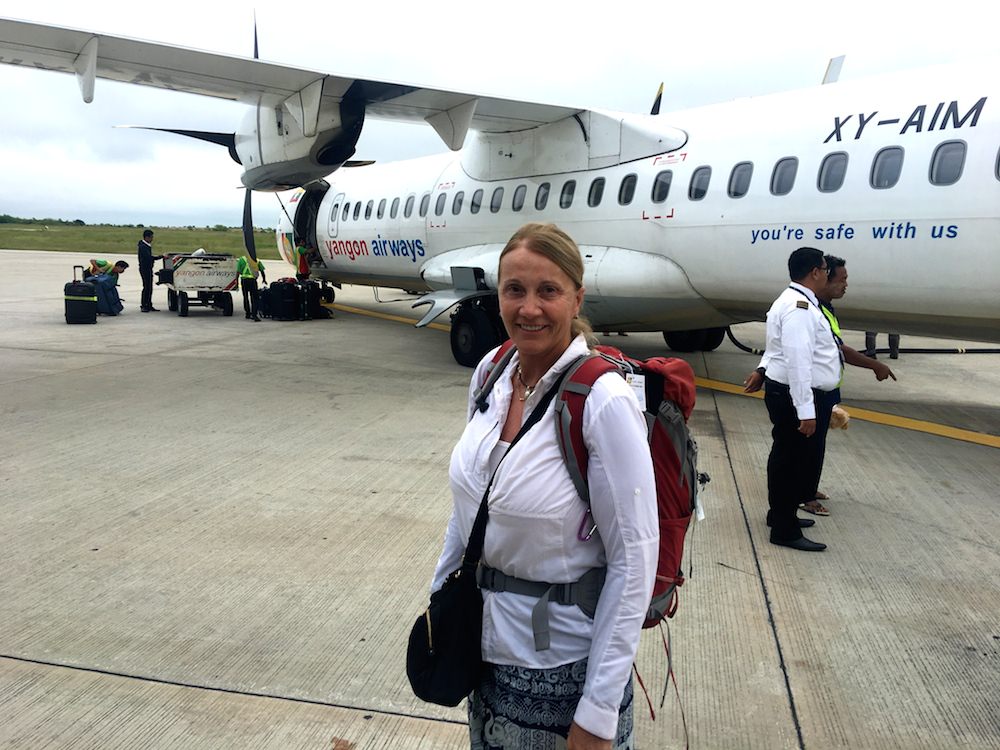
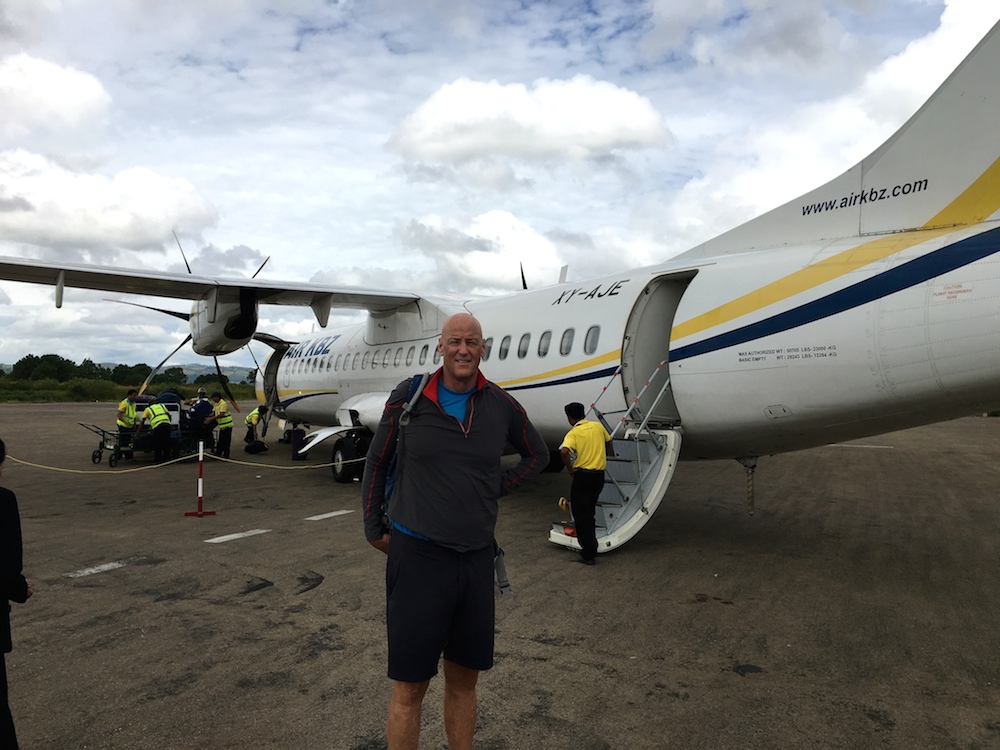
A 05:00 wake up call and a 07:15 propeller plane flight and we landed in Bagan at 08:15. After we landed we settled into the Thiripyitsaya Sanctuary Resort on the banks of the Irrawaddy River. The hotel manager named Uncko, grew up in this area and suggested a guide named Chen Chen to take us to tour some of the important temples and pagodas.
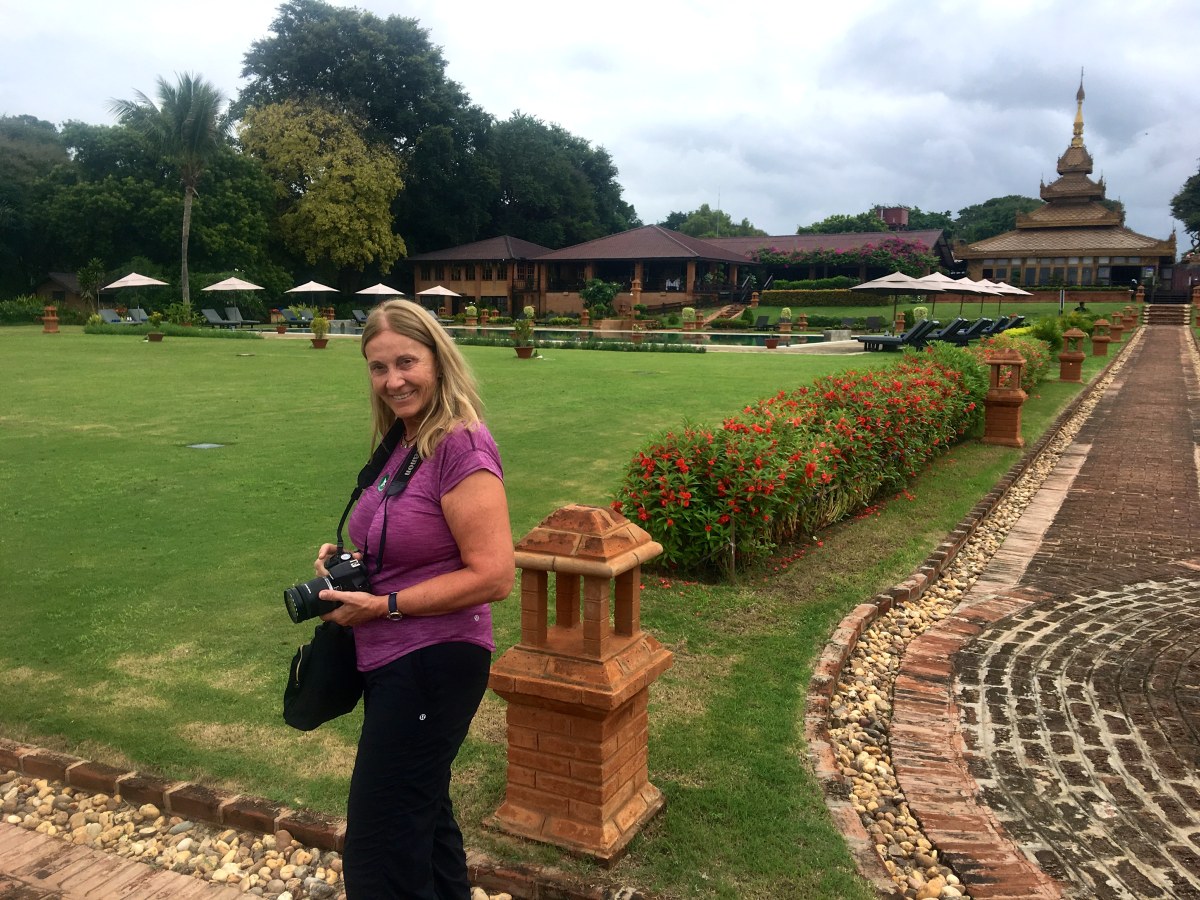
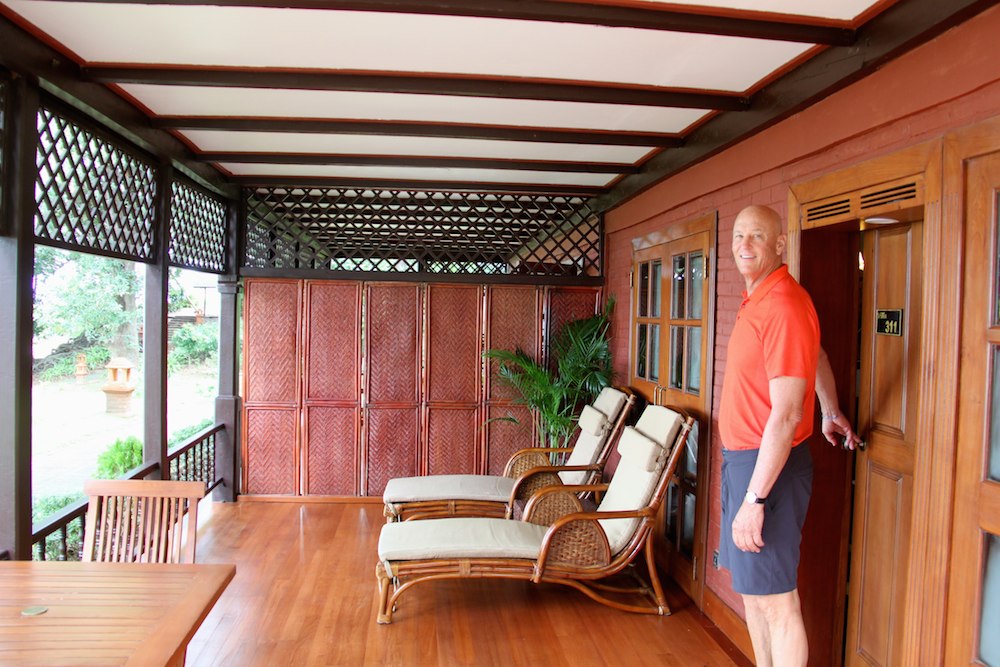
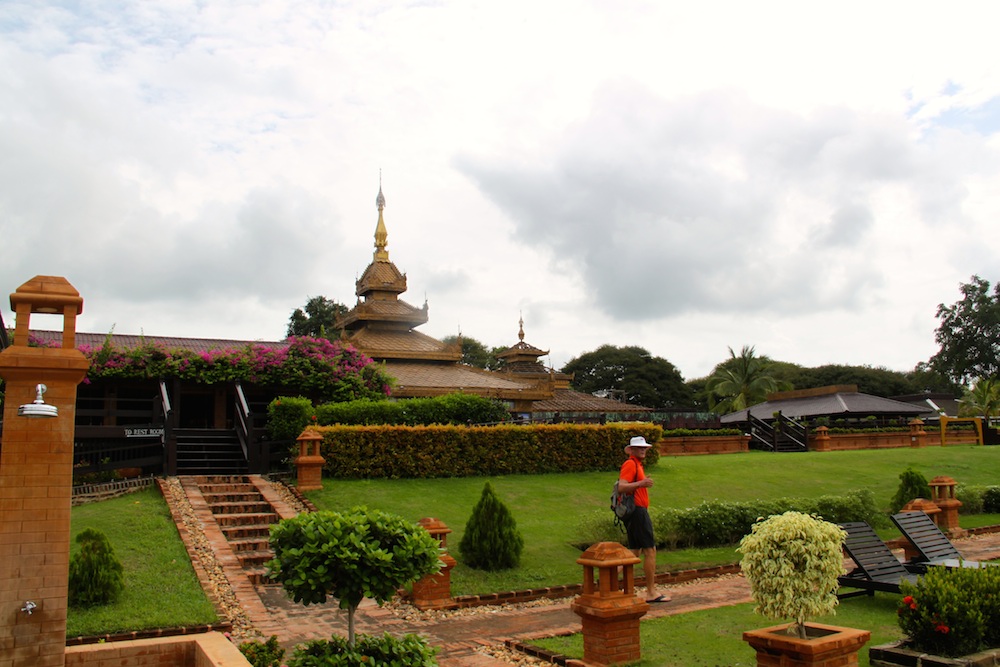
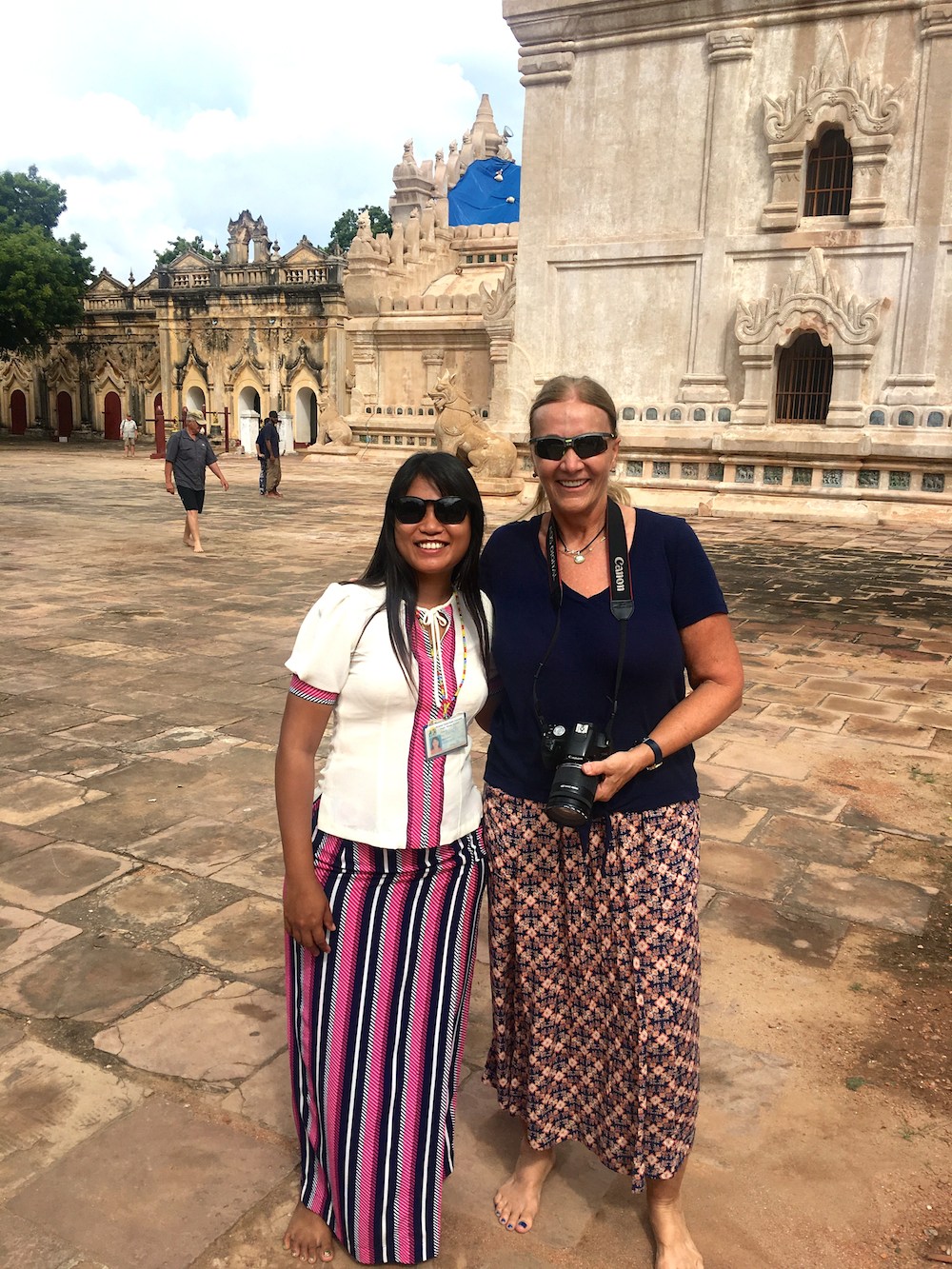
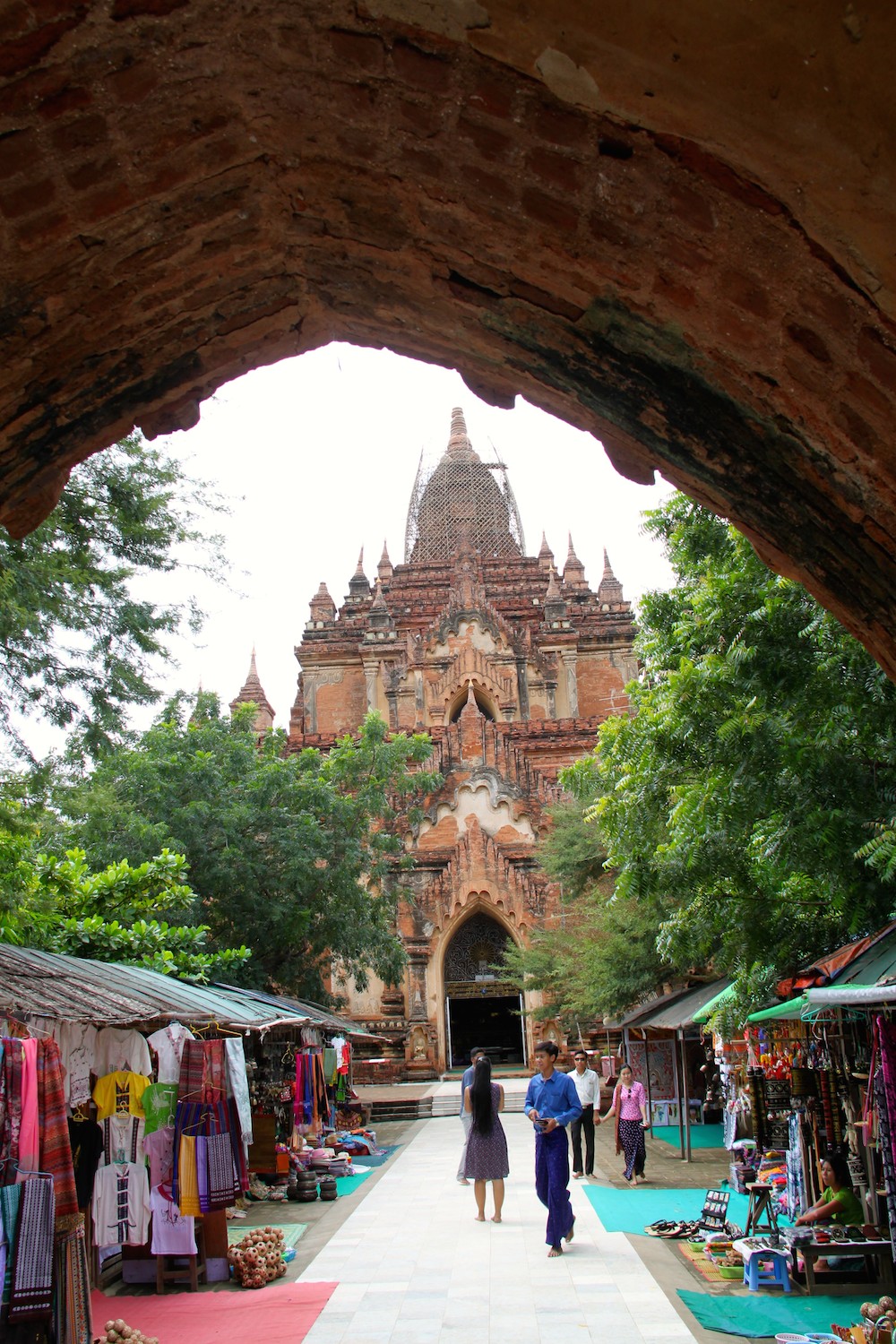
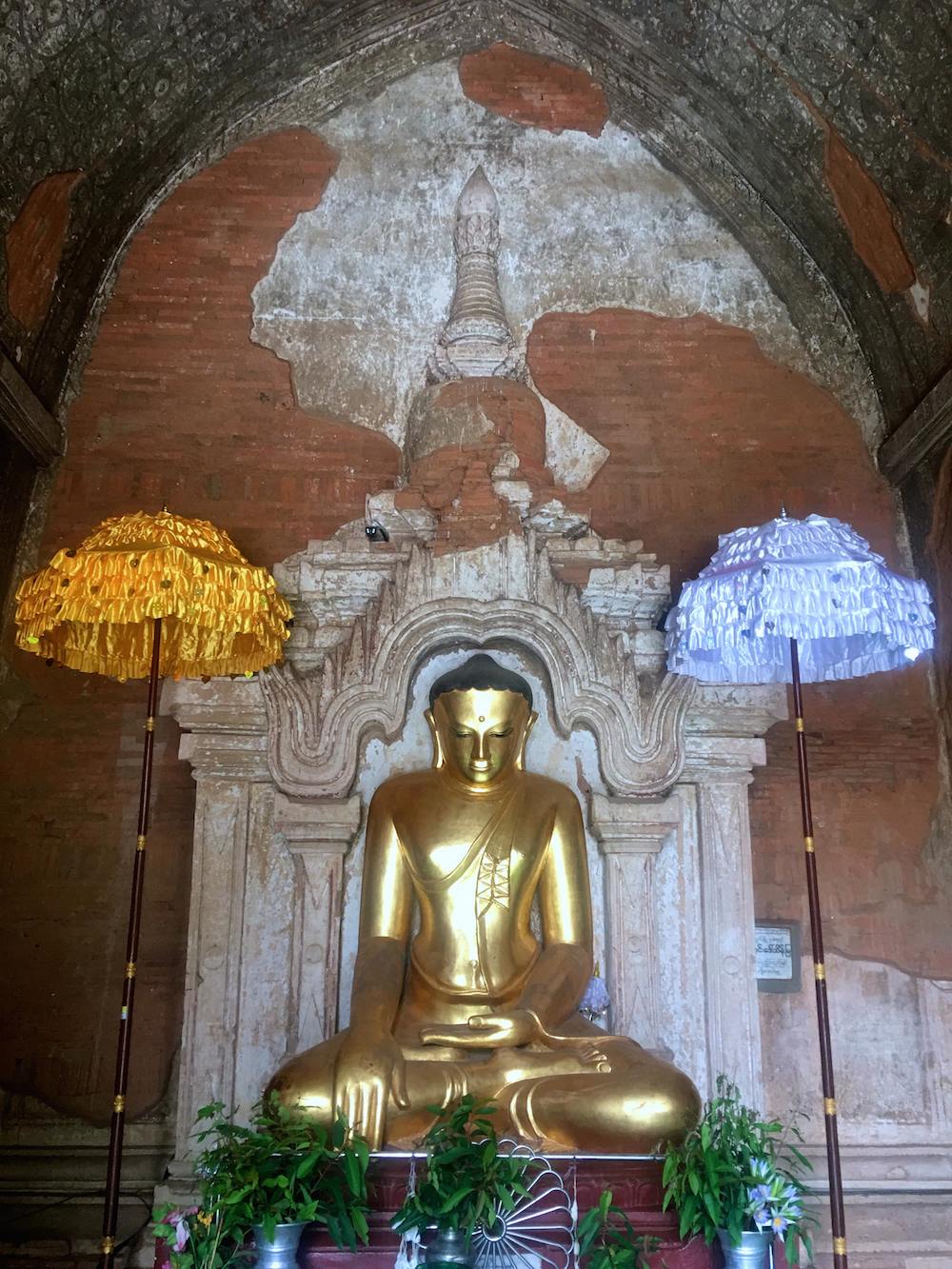
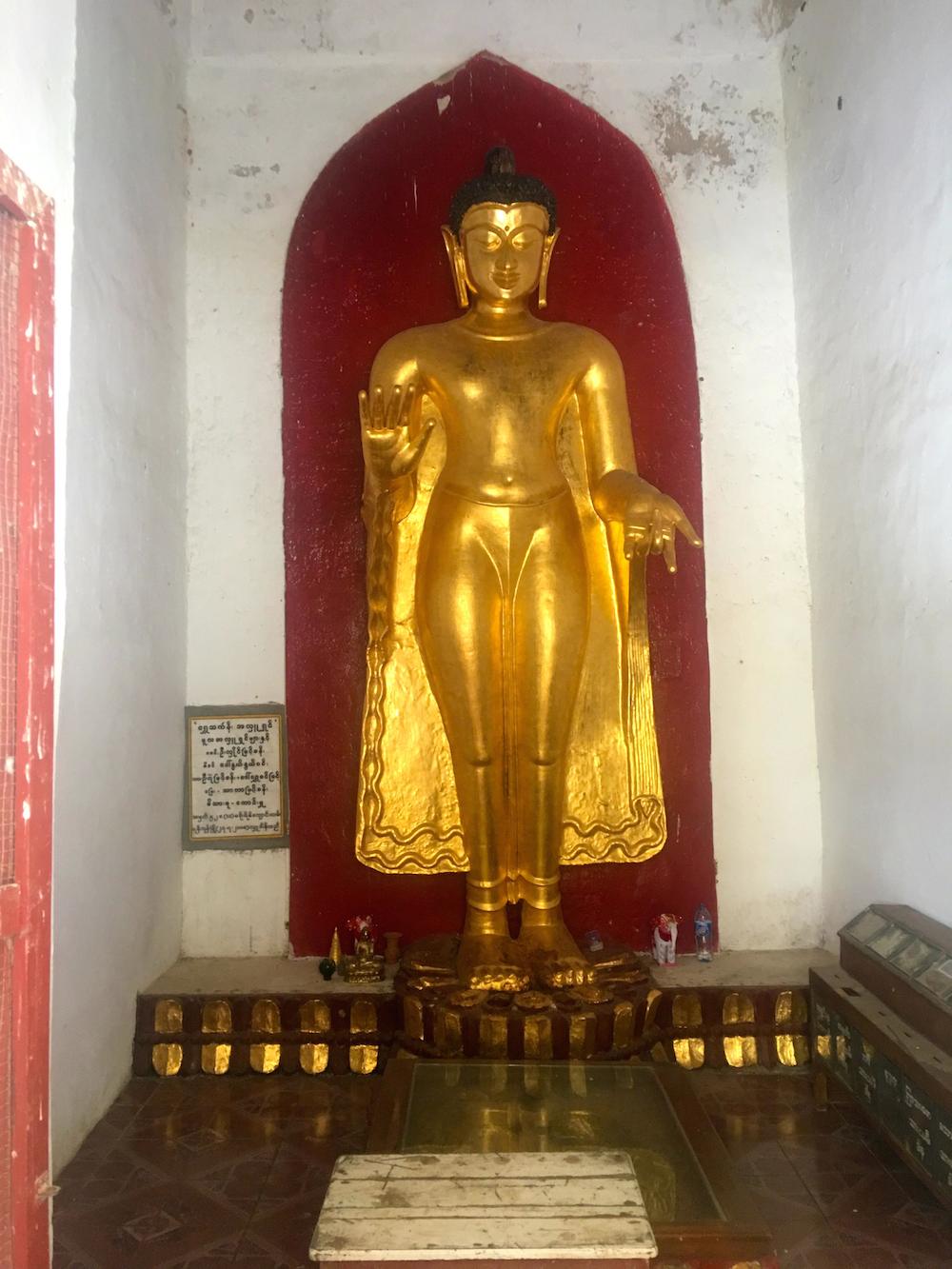
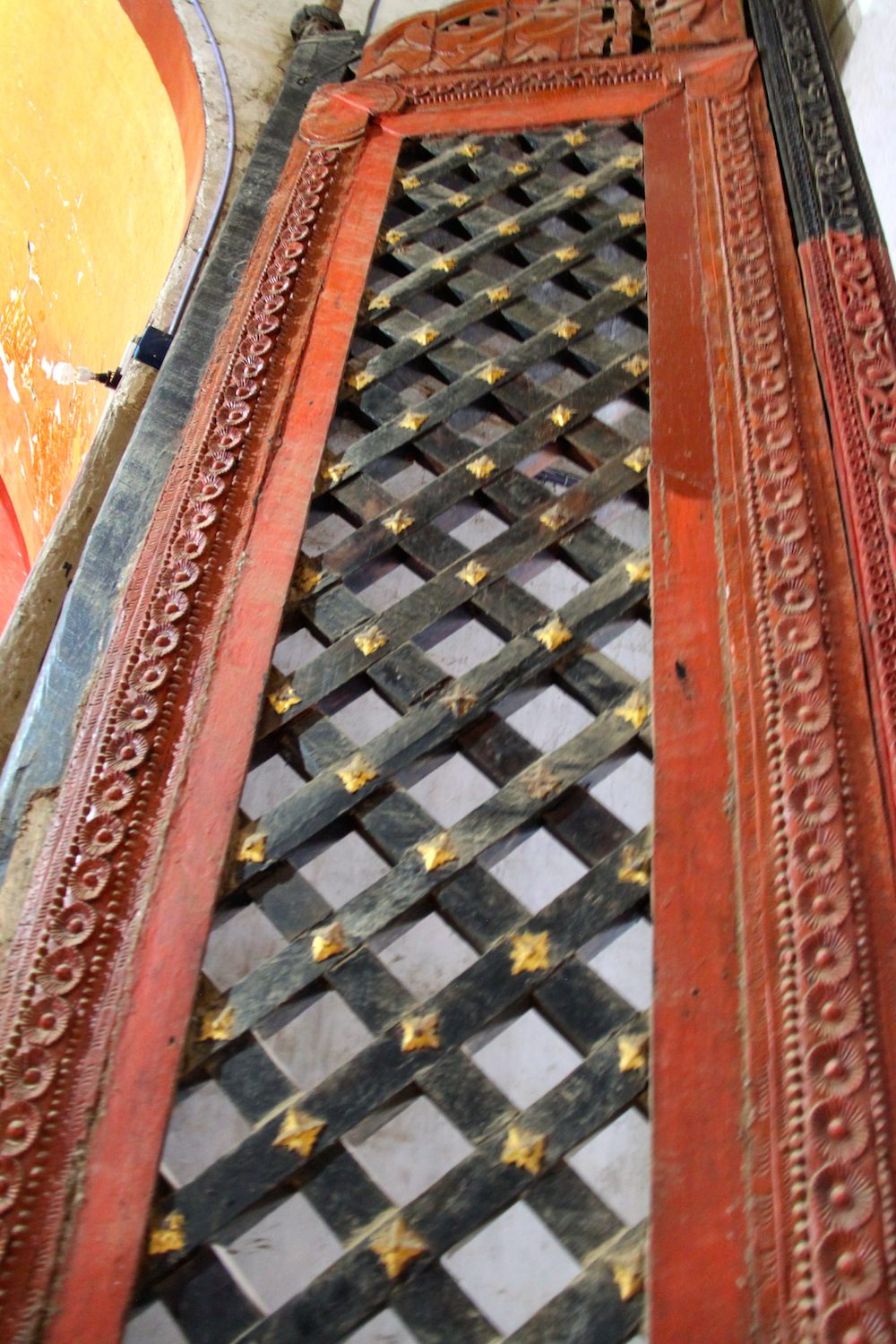
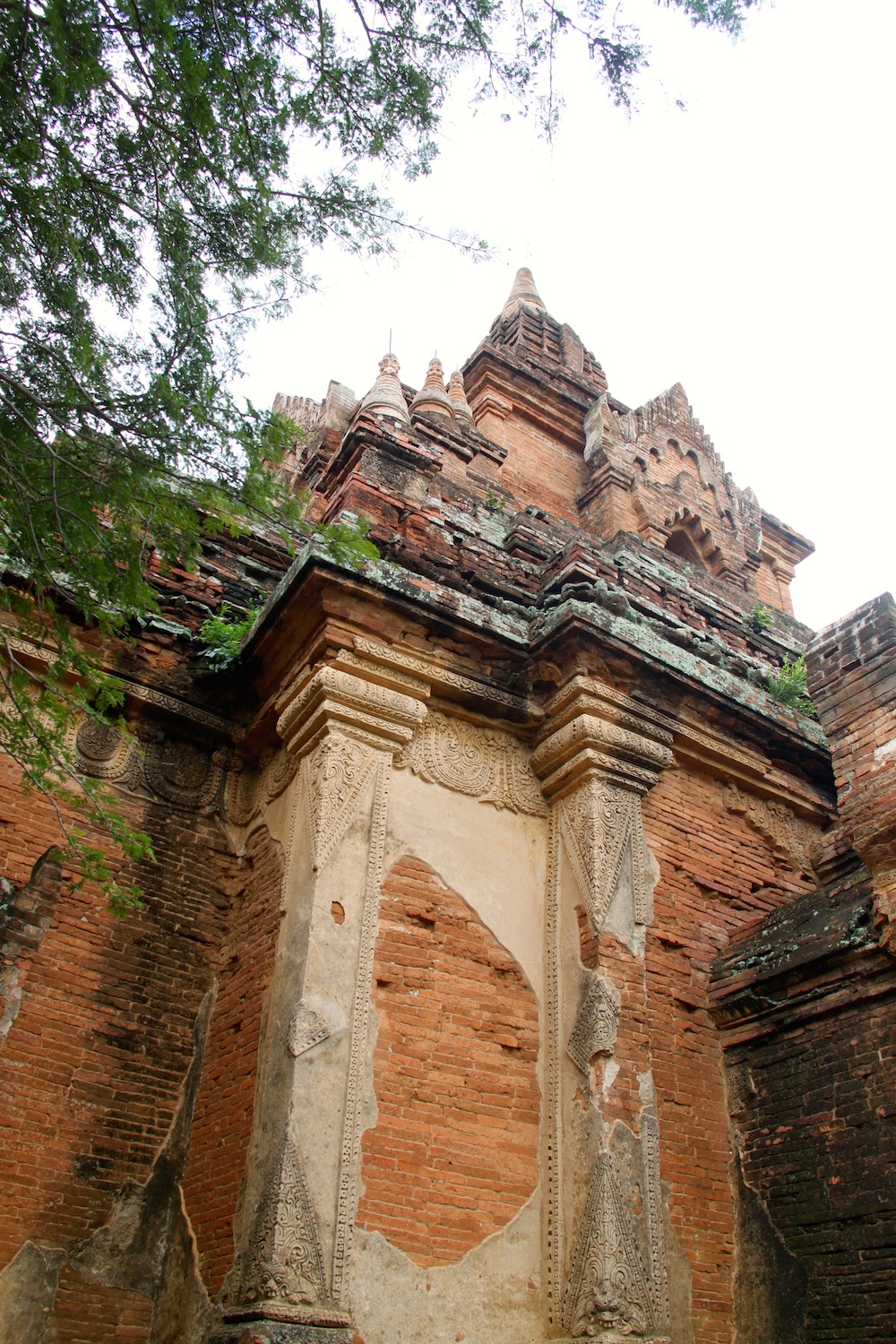
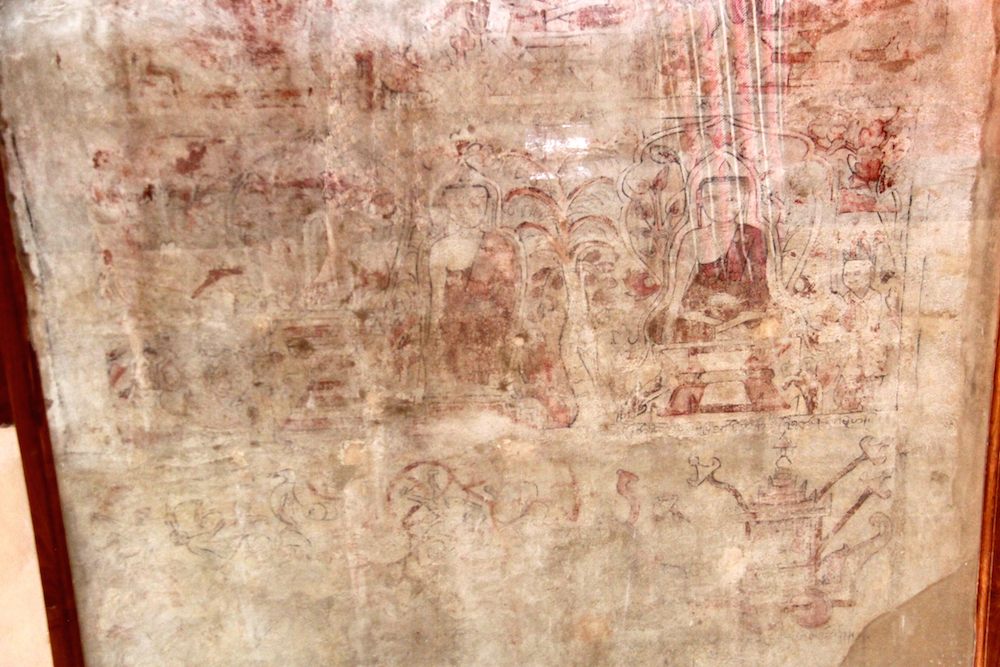
Bagan is the ancient capital of Burmese Kings. There are over 3000 temples and pagodas scattered across the plains. Most of them were built between 1100 to 1300 A.D. and are mostly built of brick with plaster and covered in gold. There are fresco’s and wood work including standing Buddhas and Reclining Buddhas and wooden gates.
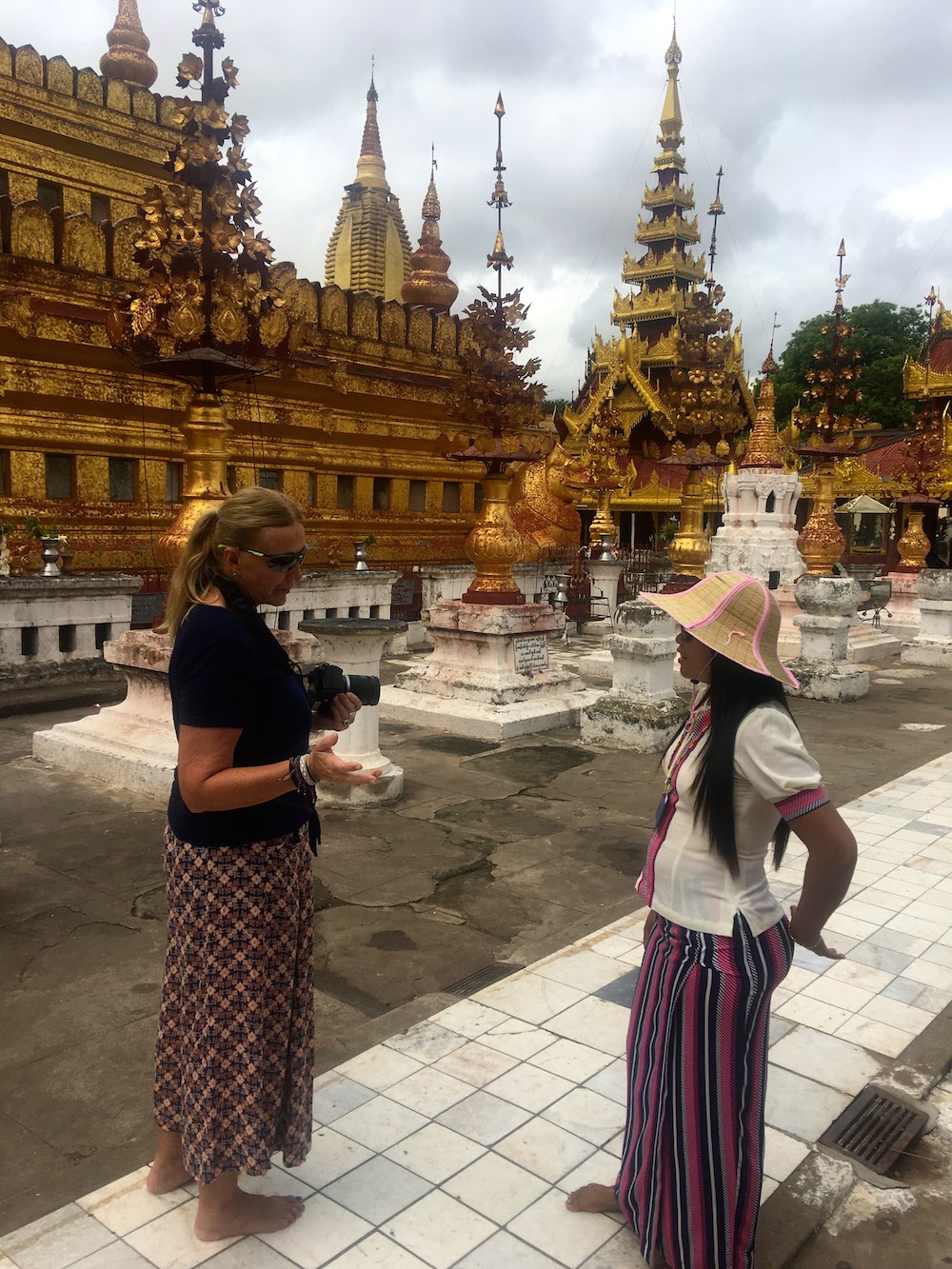
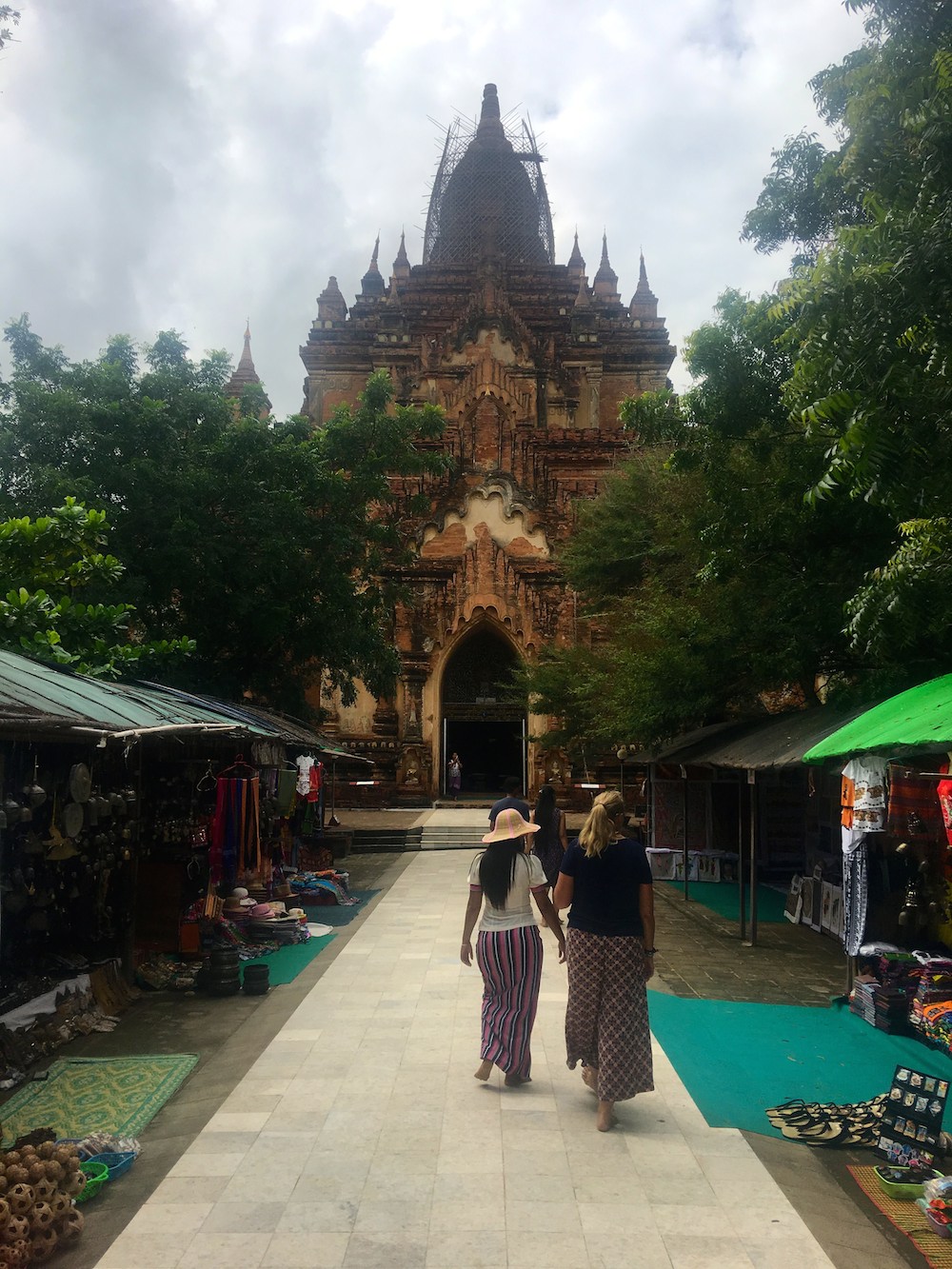
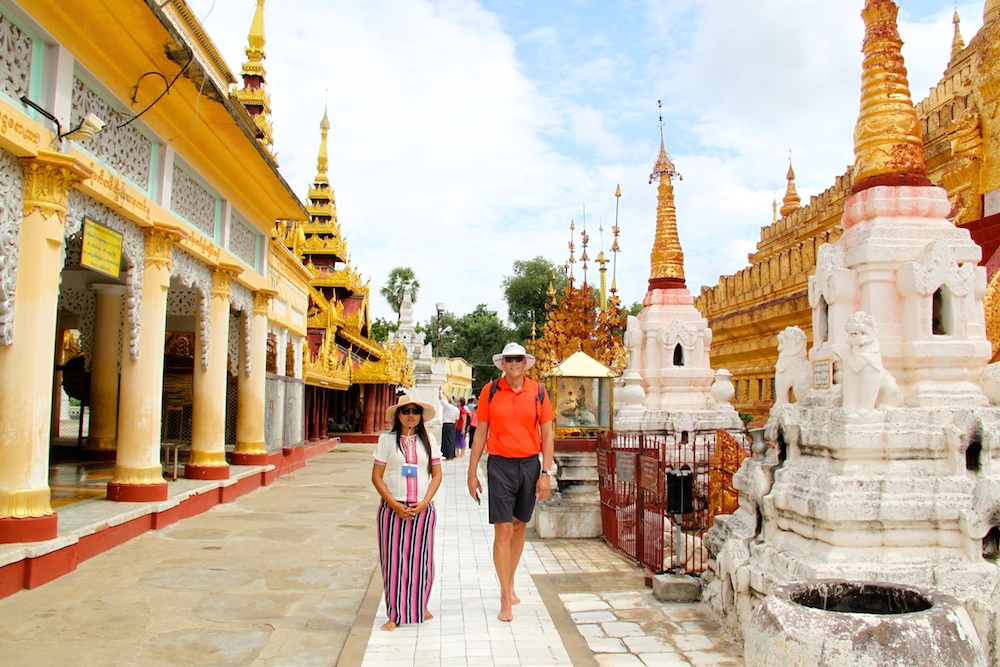
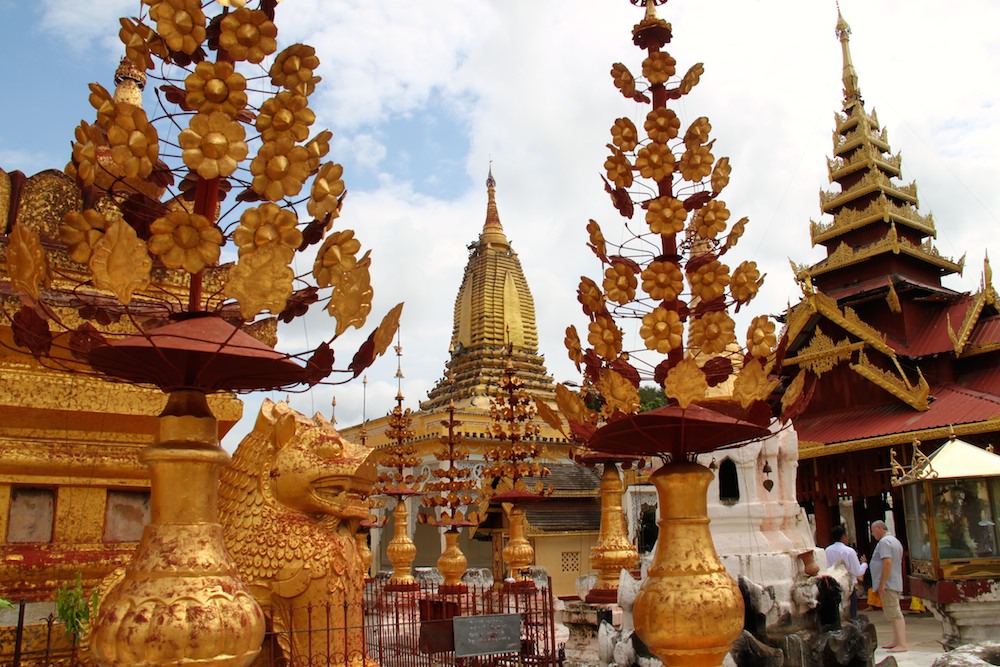


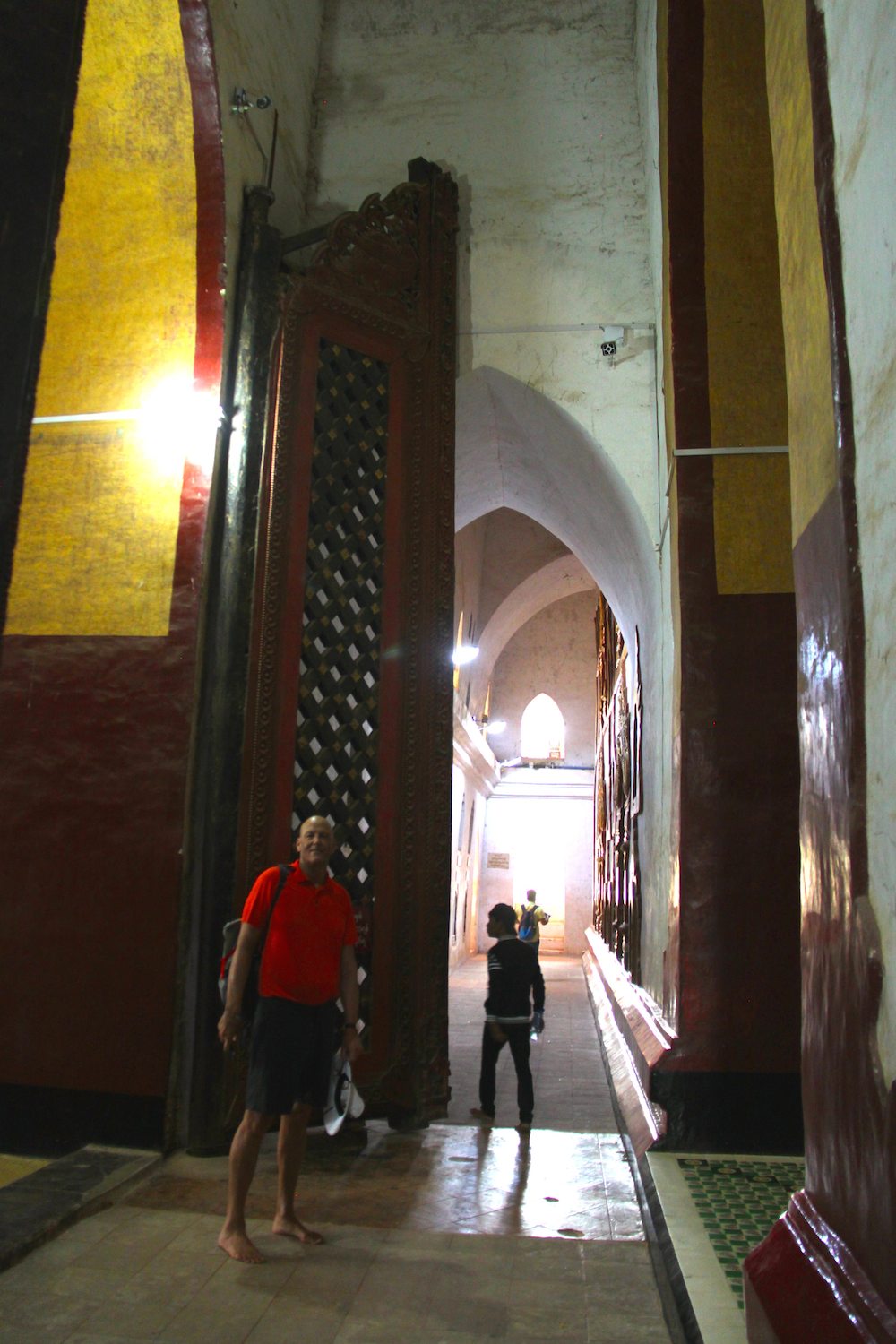
Gold plating protects many of the domes of the pagodas. This gold has been here for centuries. They were repairing and re-coating the gold on this pagoda. The workers who do this work are part of one family from Mandalay and are specialized craftsmen. They first remove the old gold from the pagoda, process it and hammer it into thin sheets about 1 foot square. They stretch it and thin it out with metal hammers and rubber mallets. If they make it too thin the sheet goes back to another work station where bits of gold are hammered back into the areas that have holes. We were able to hold a rack of about 5 sheets of gold plating and it was very heavy to lift. The government does not pay for any of the gold work on the temples. All the Buddhist people donate for this purpose.
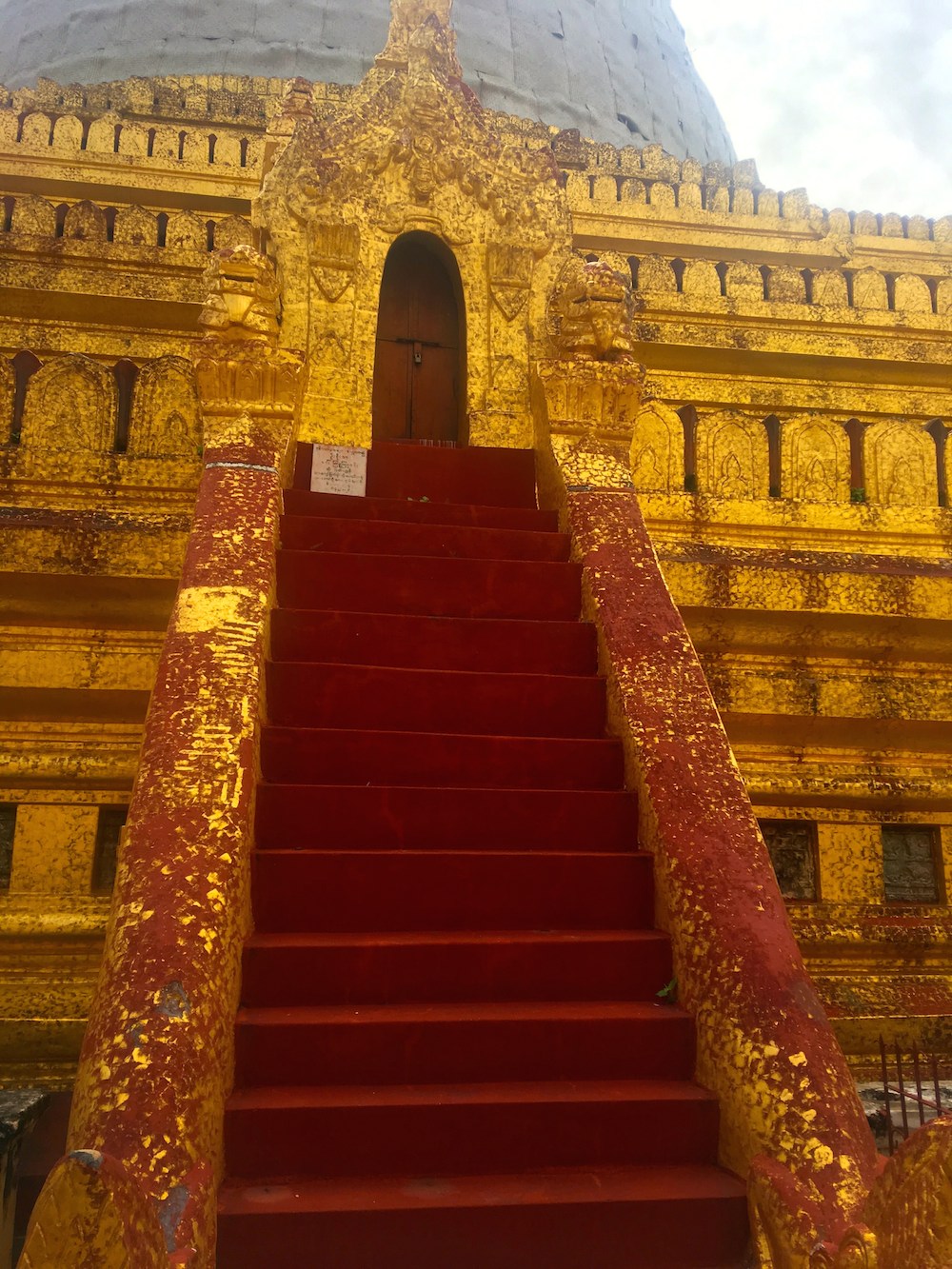
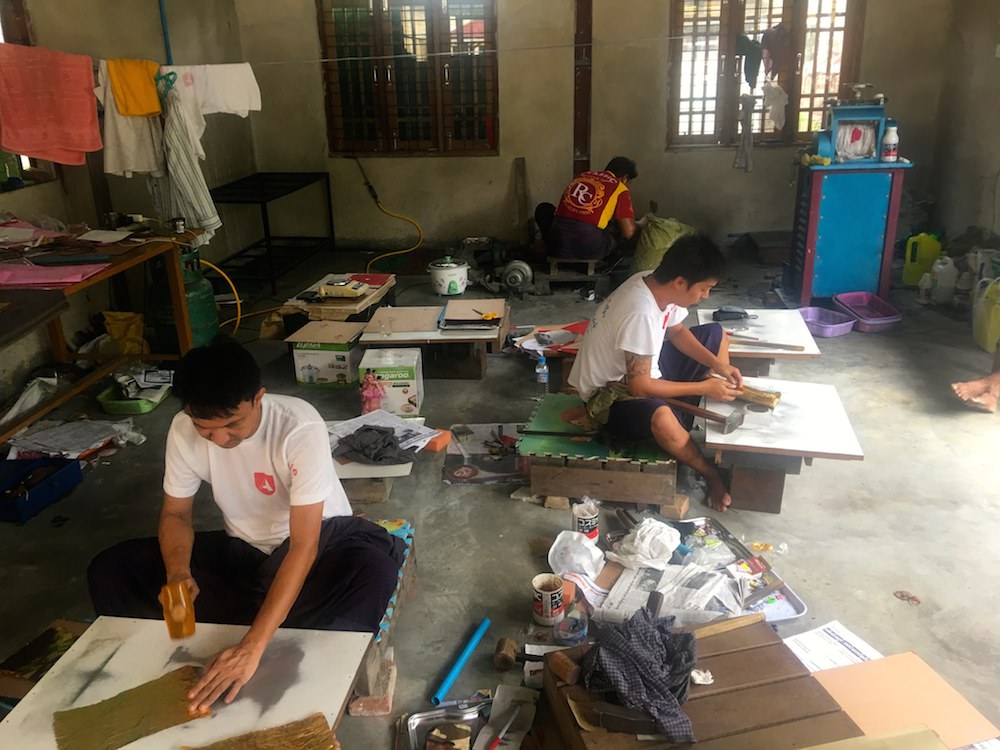
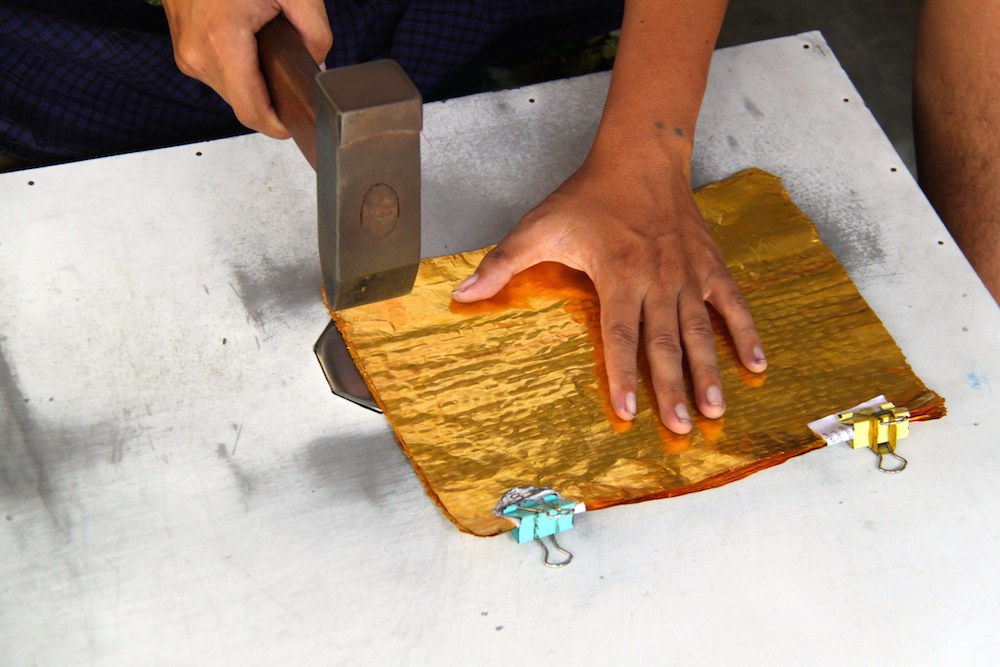
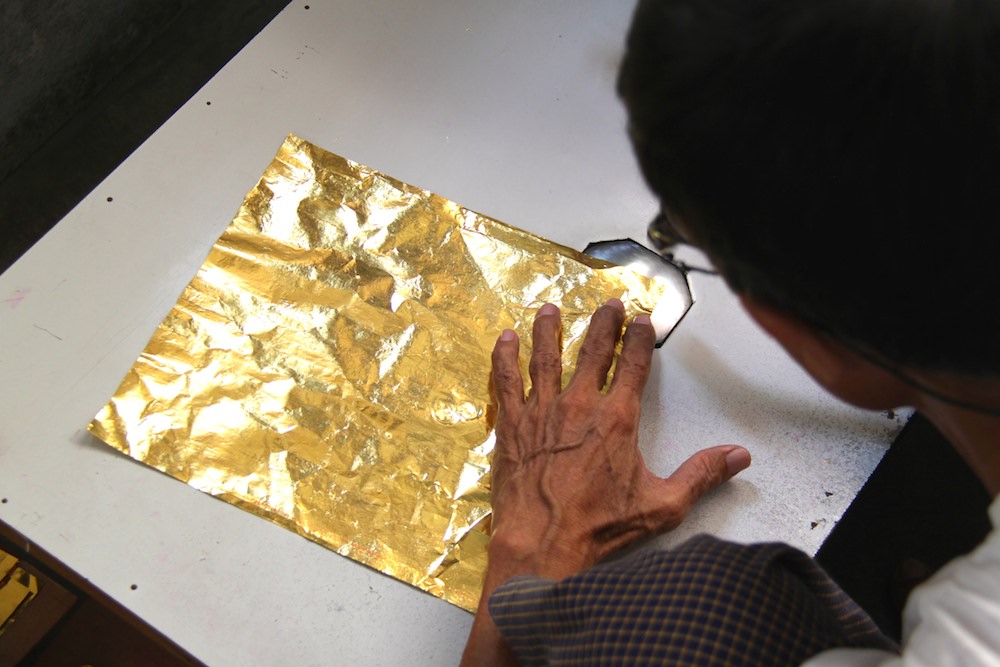
In a month or so this pagoda will have shiny new gold plating.
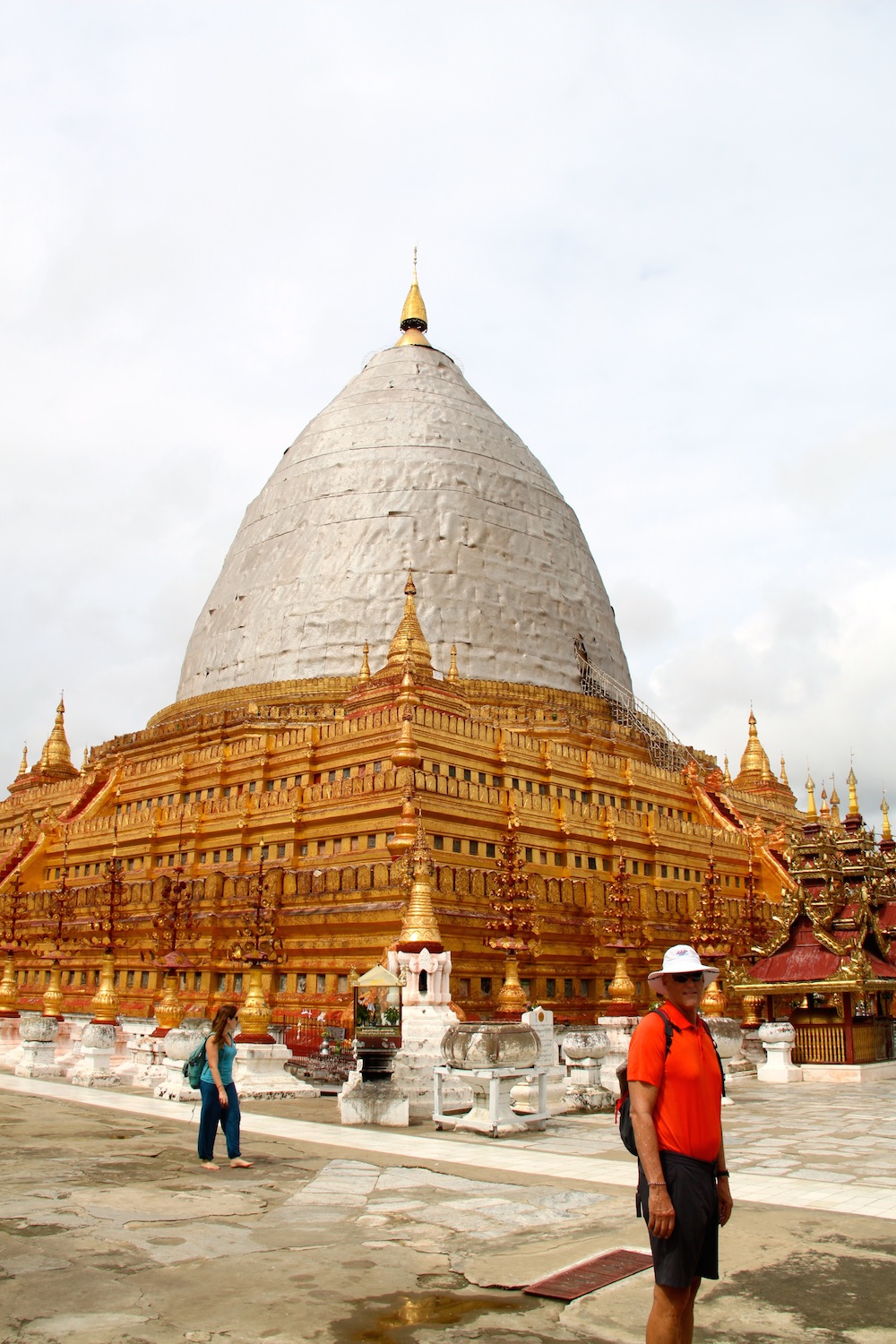
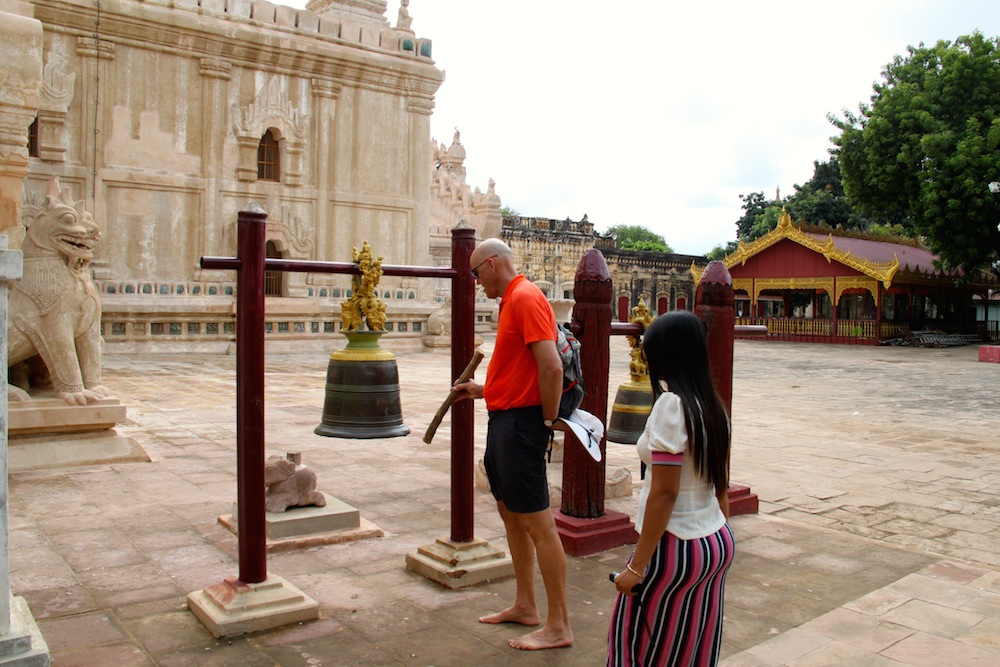
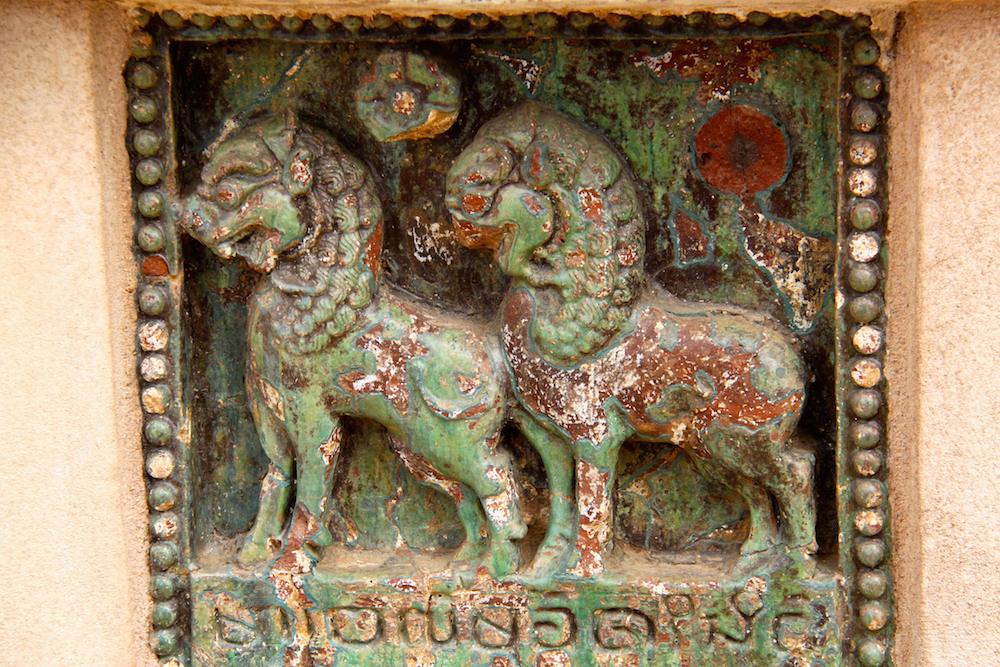
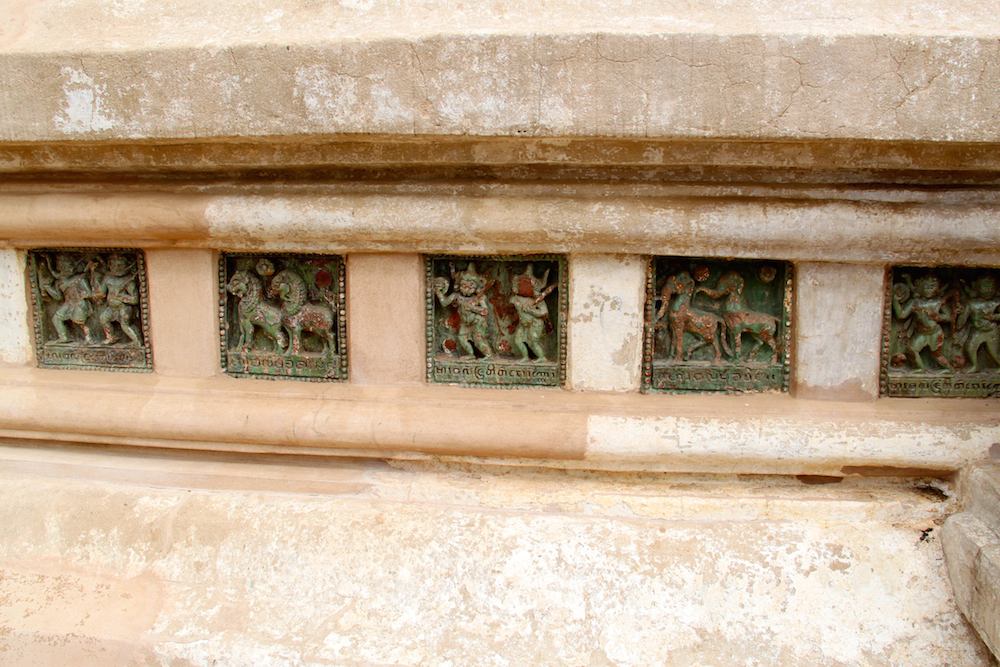

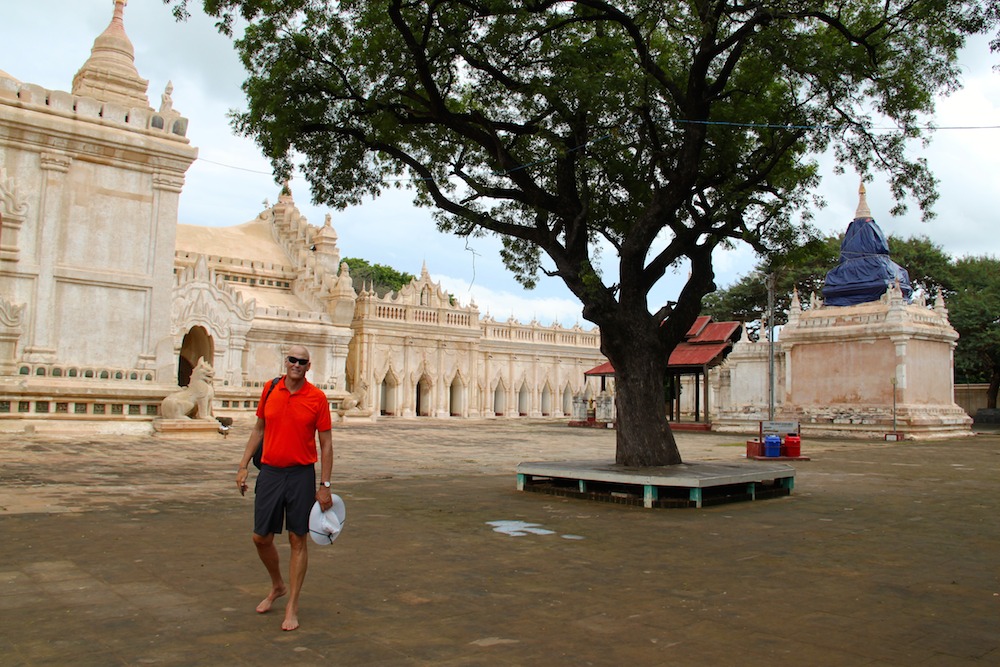
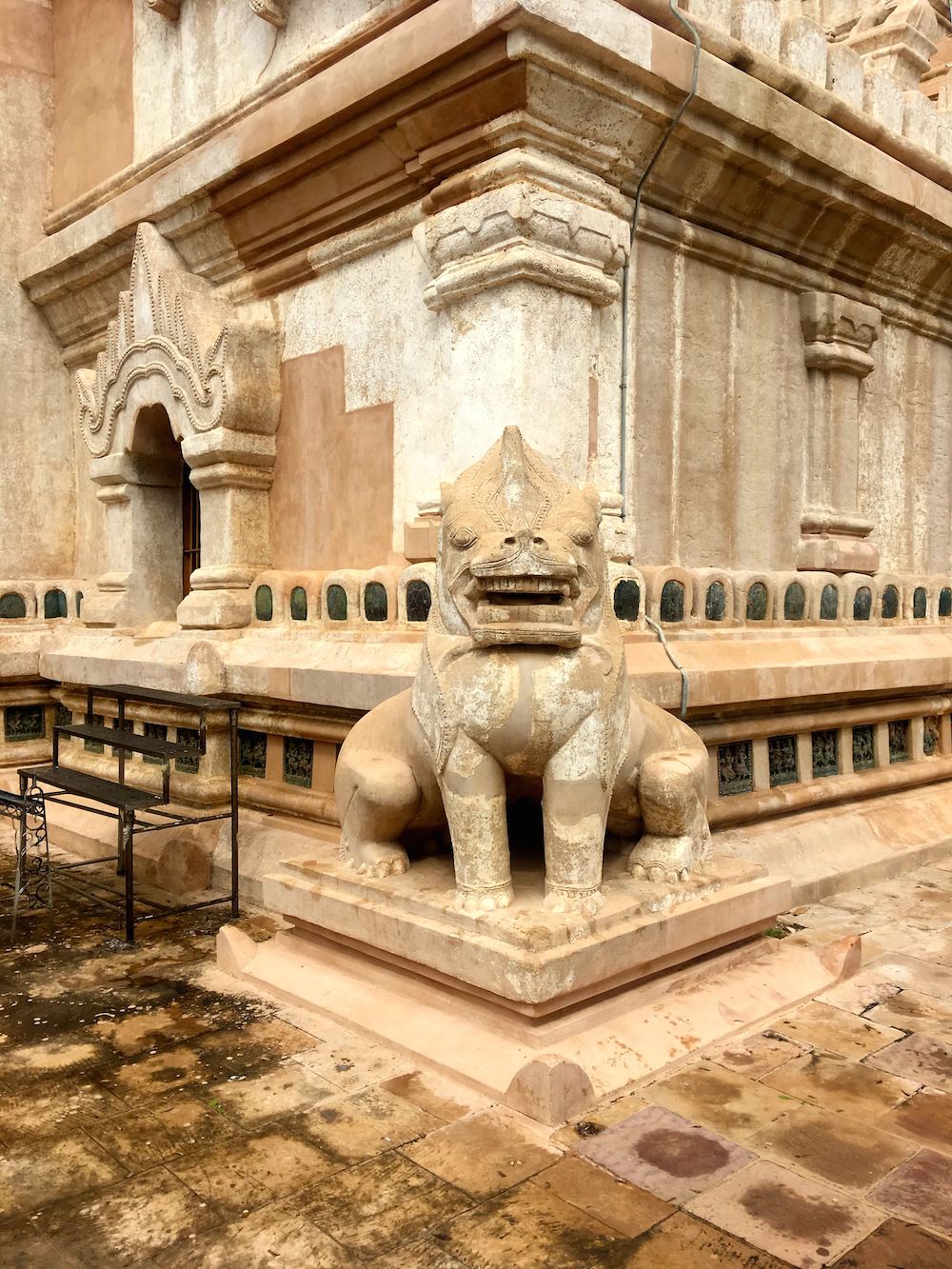
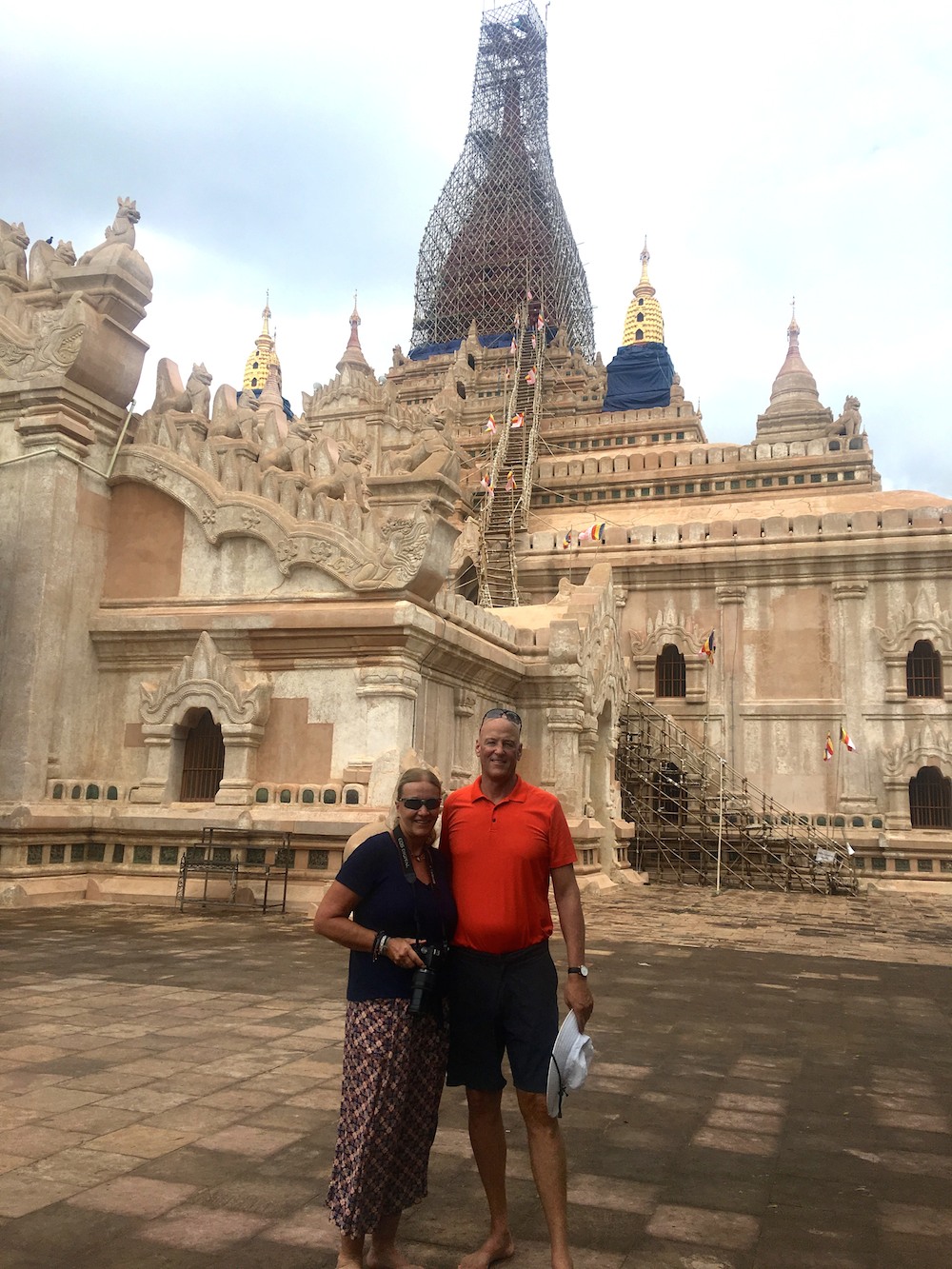
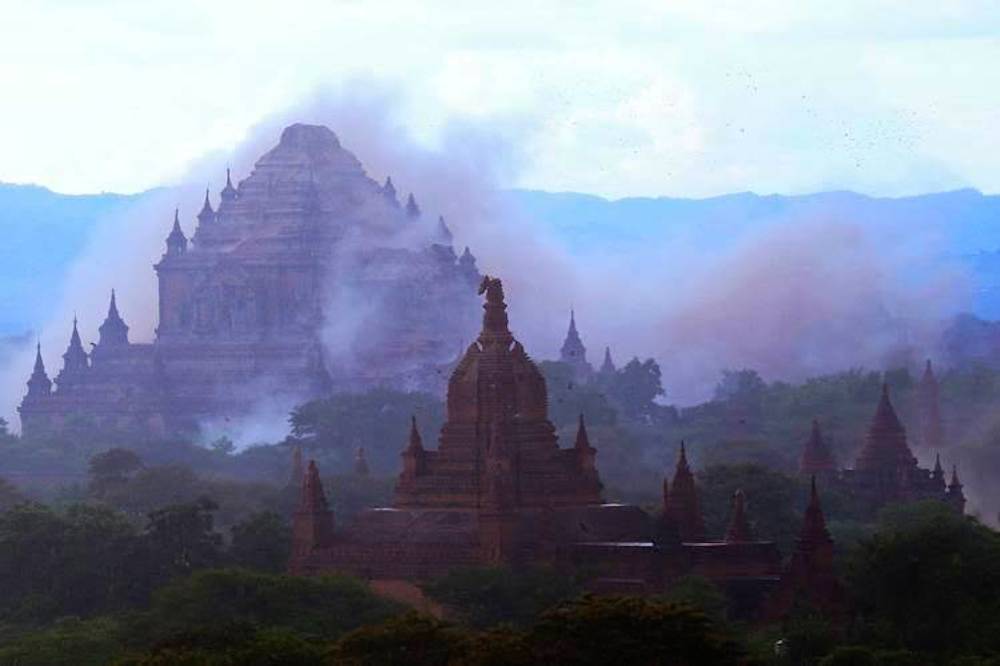
This area of Myanmar suffers many earthquakes The last one was a few months ago in August of 2016. Some of he temples and pagodas were damaged but none were destroyed. Most of our photos show some sort of repair work being done.
Here is a photo taken by our hotel manager at the time of that recent earthquake that shows dust rising from a temple.

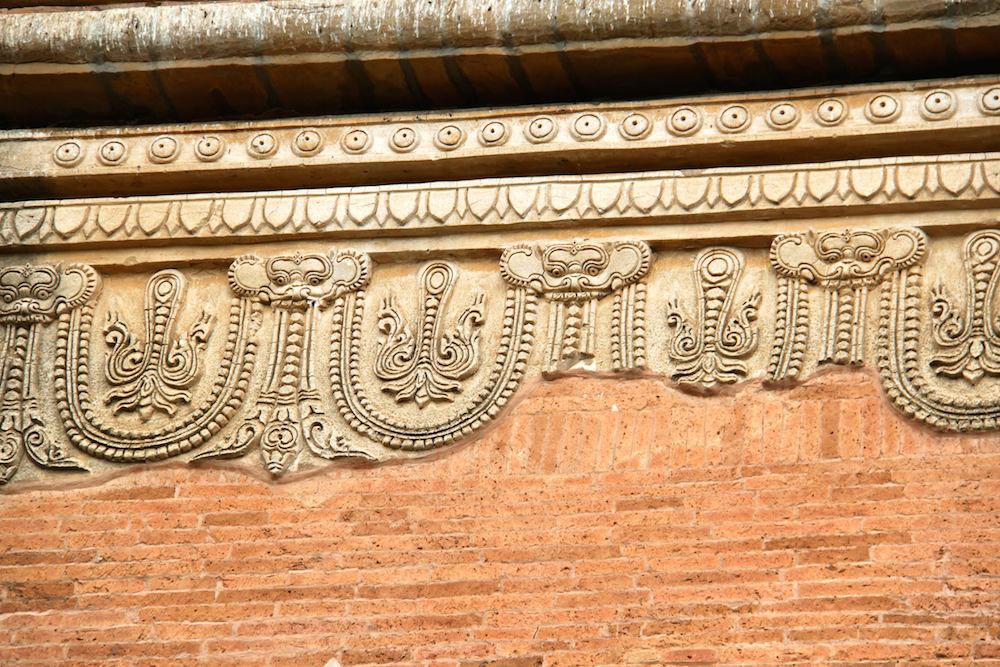
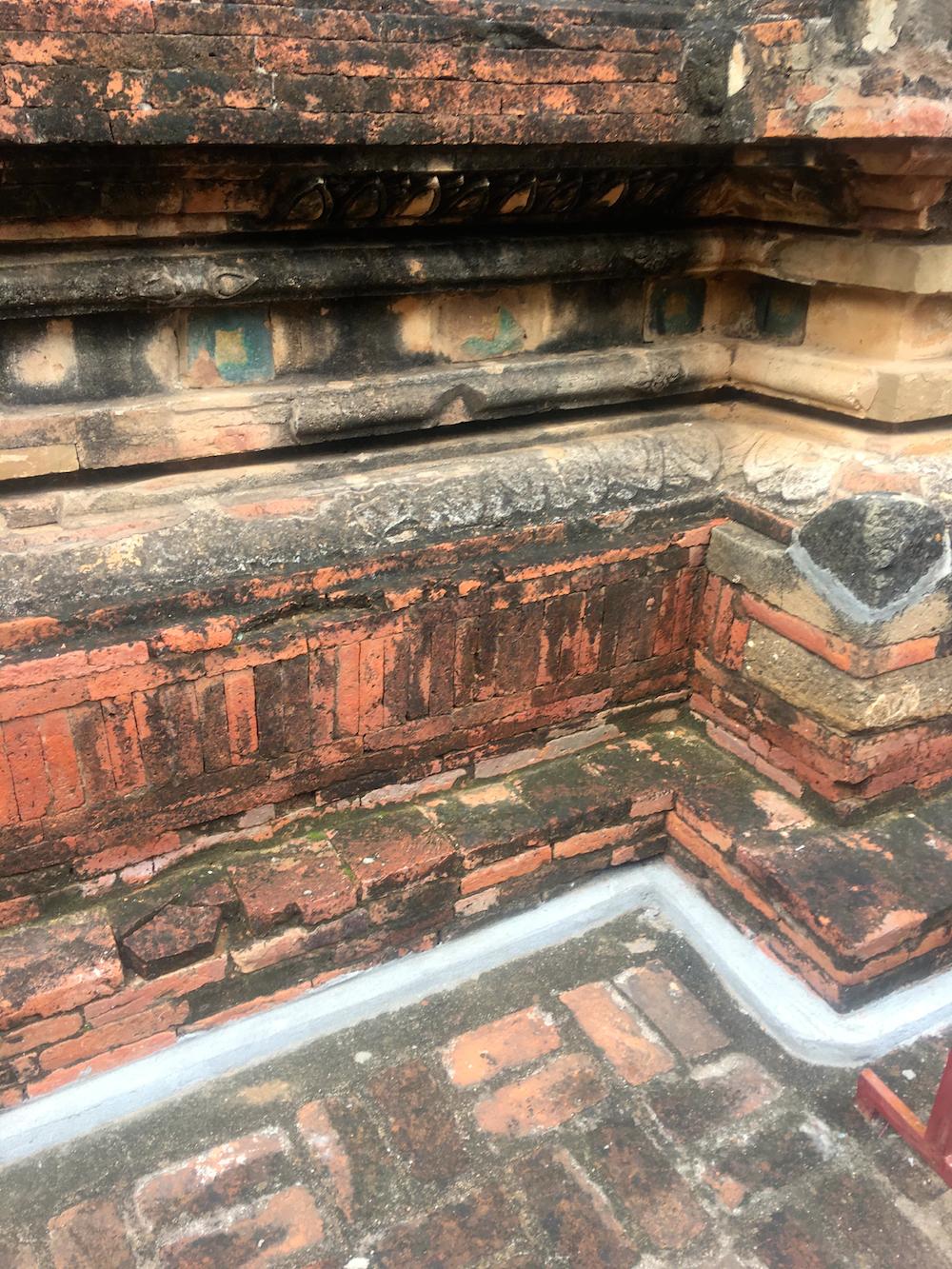
Some of these brick temples were built by ancient craftsmen to withstand earthquakes. The brick layers are laid horizontally but every 5 feet they installed a vertical layer of brick that allows the building to flex and rock and roll with an earthquake.

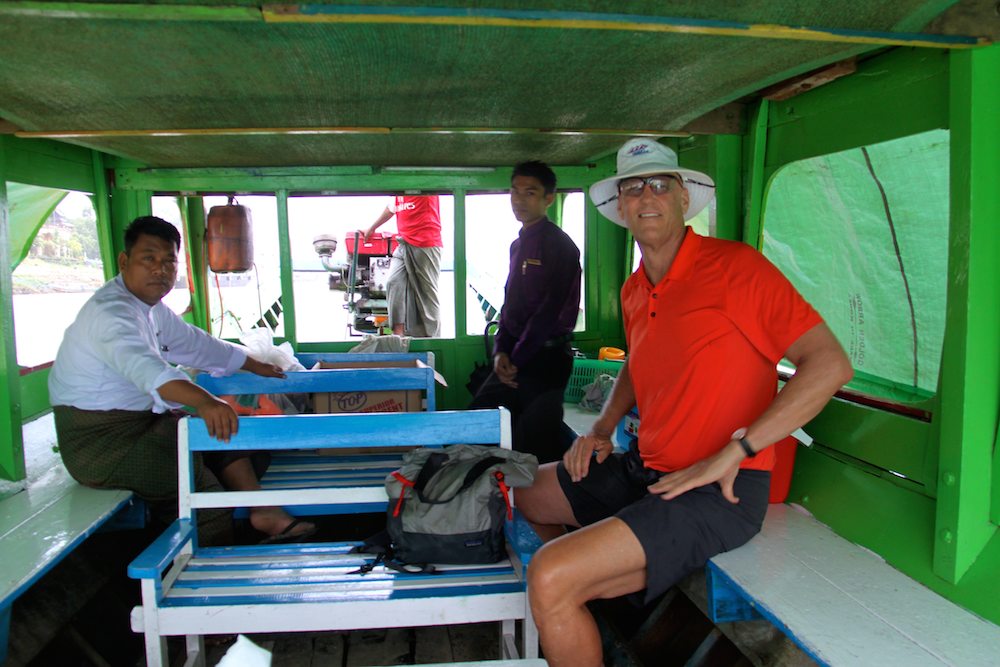
In the evening we arranged to take a boat ride on the Irrawaddy River to see the sunset. It was raining cats and dogs when it was time to leave to meet our boat but we were excited to go anyway. When we arrived at the boat jetty it was still a tropical rainstorm and Barb and I looked at each other and said lets go for it. Who cares if it’s raining.
Within 15 minutes it had quit raining and we were able to get some pictures without getting soaked.
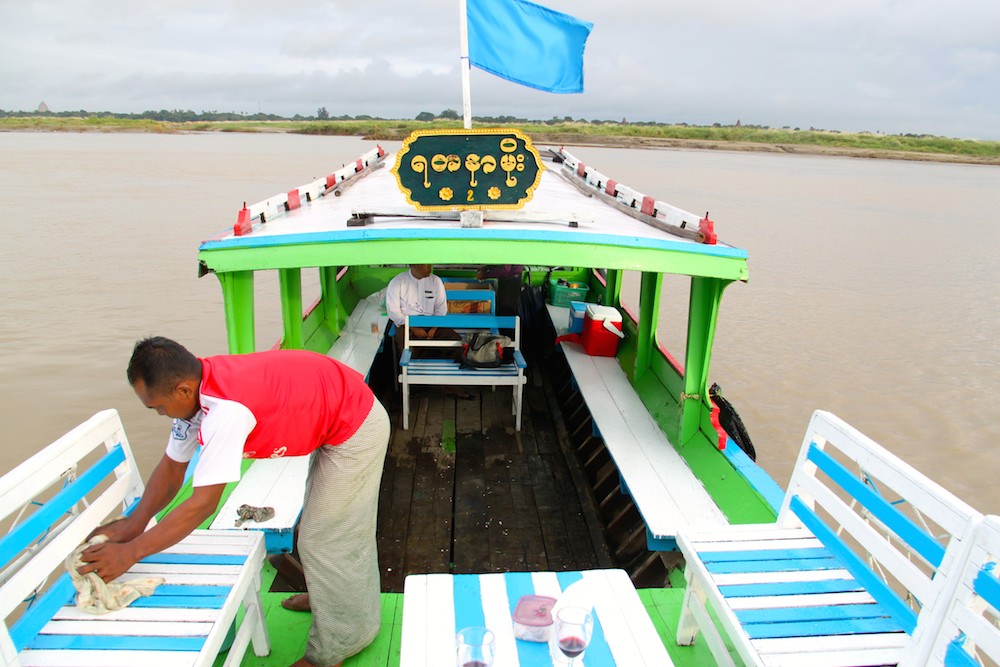
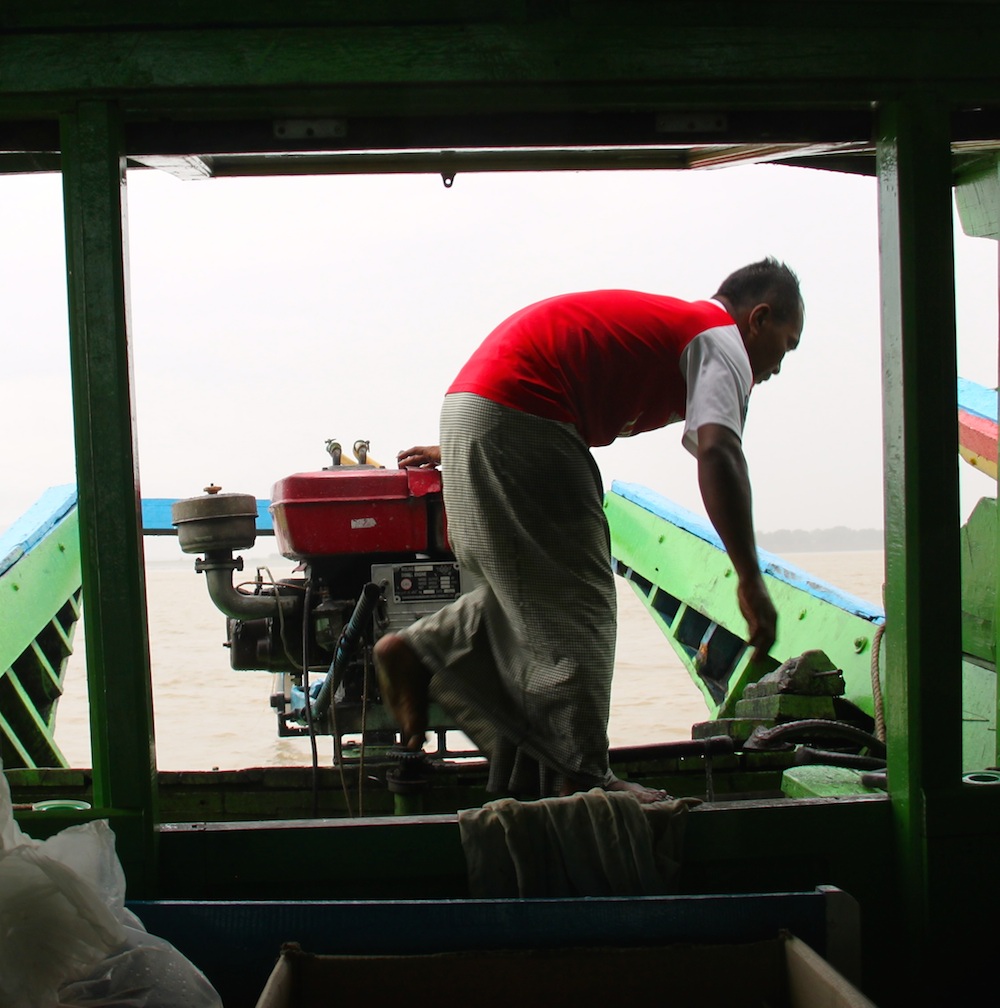
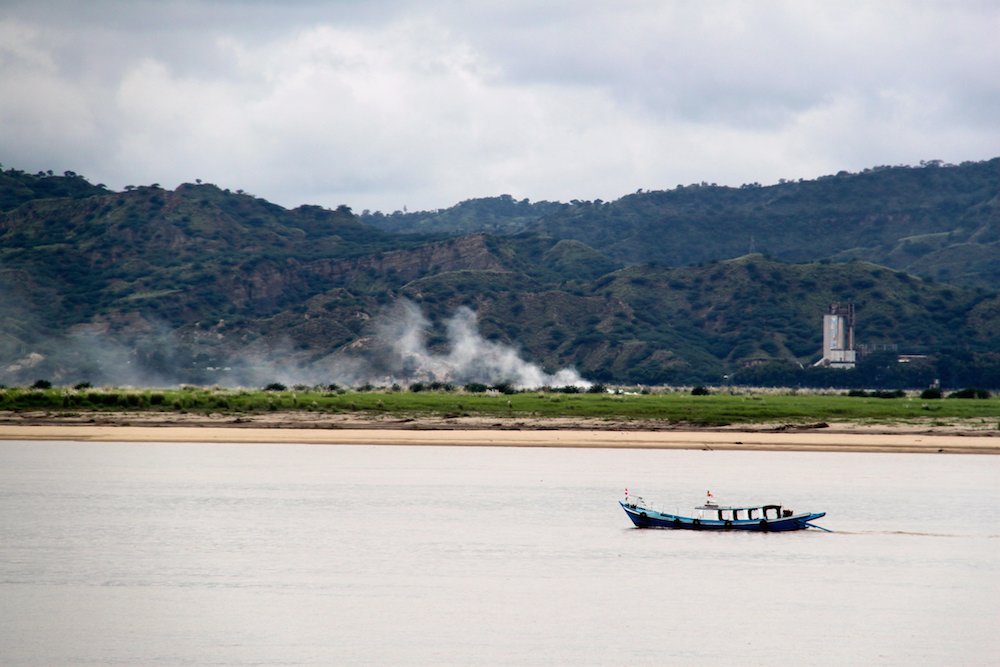
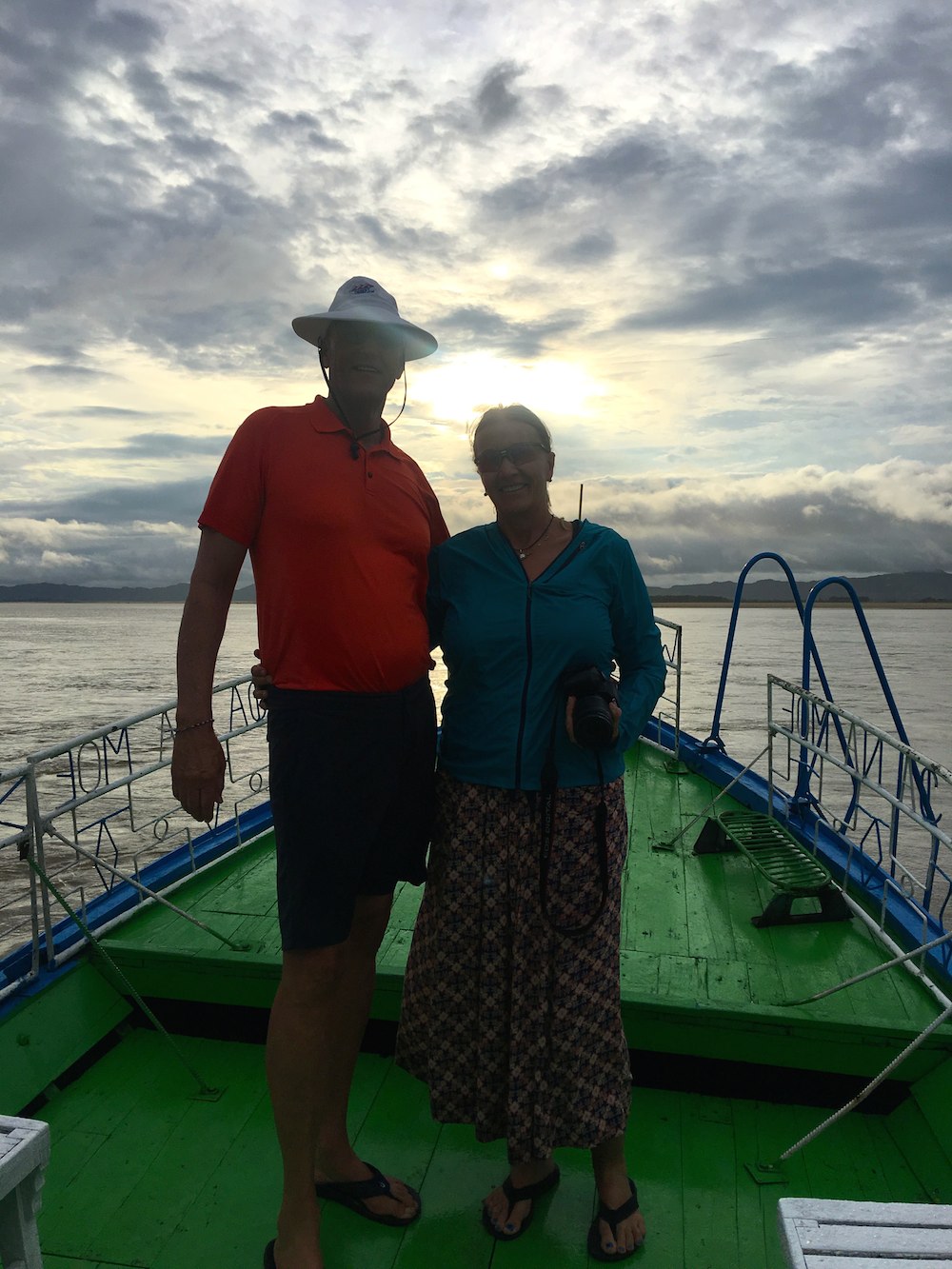
The next morning we set our alarm for 4 am to go on a hot air balloon ride. But all balloon rides were cancelled for the 5th day in a row because of the possibility of bad weather. We slept an extra 4 hours and then borrowed bikes from the hotel and went on bike ride to visit some of the significant temples nearby.
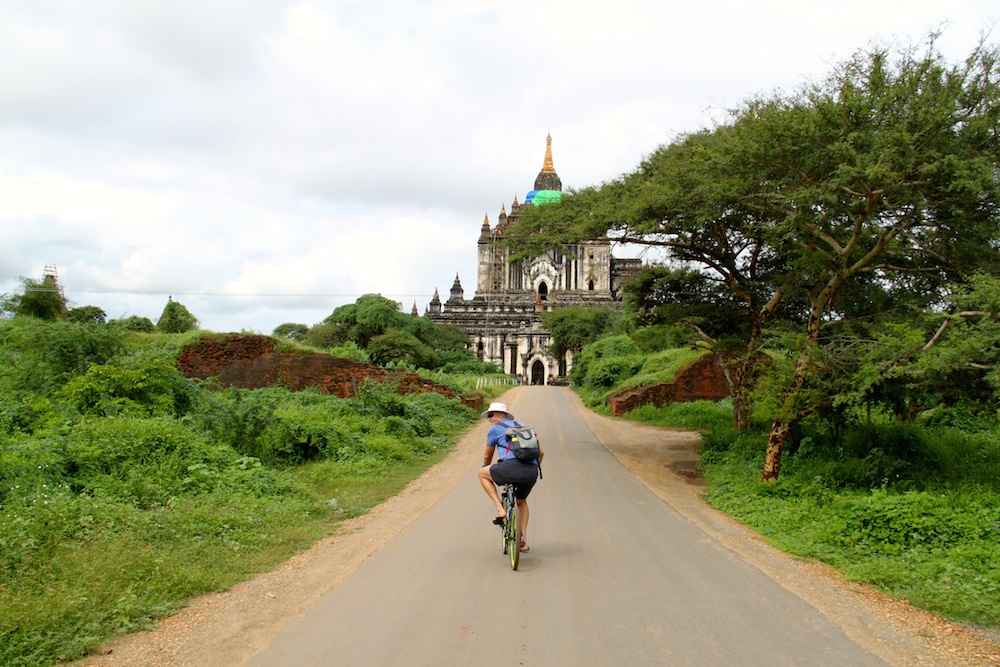
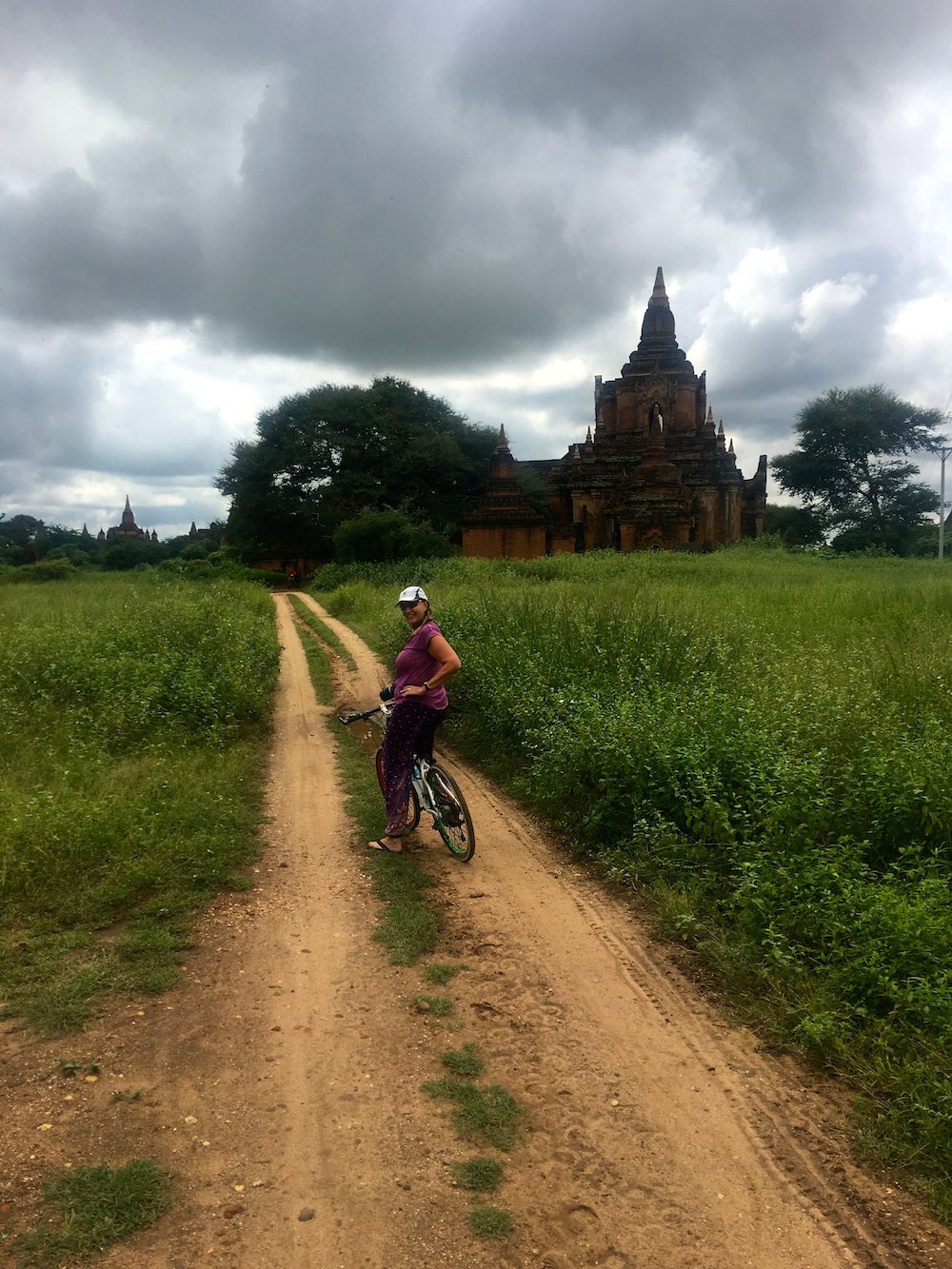

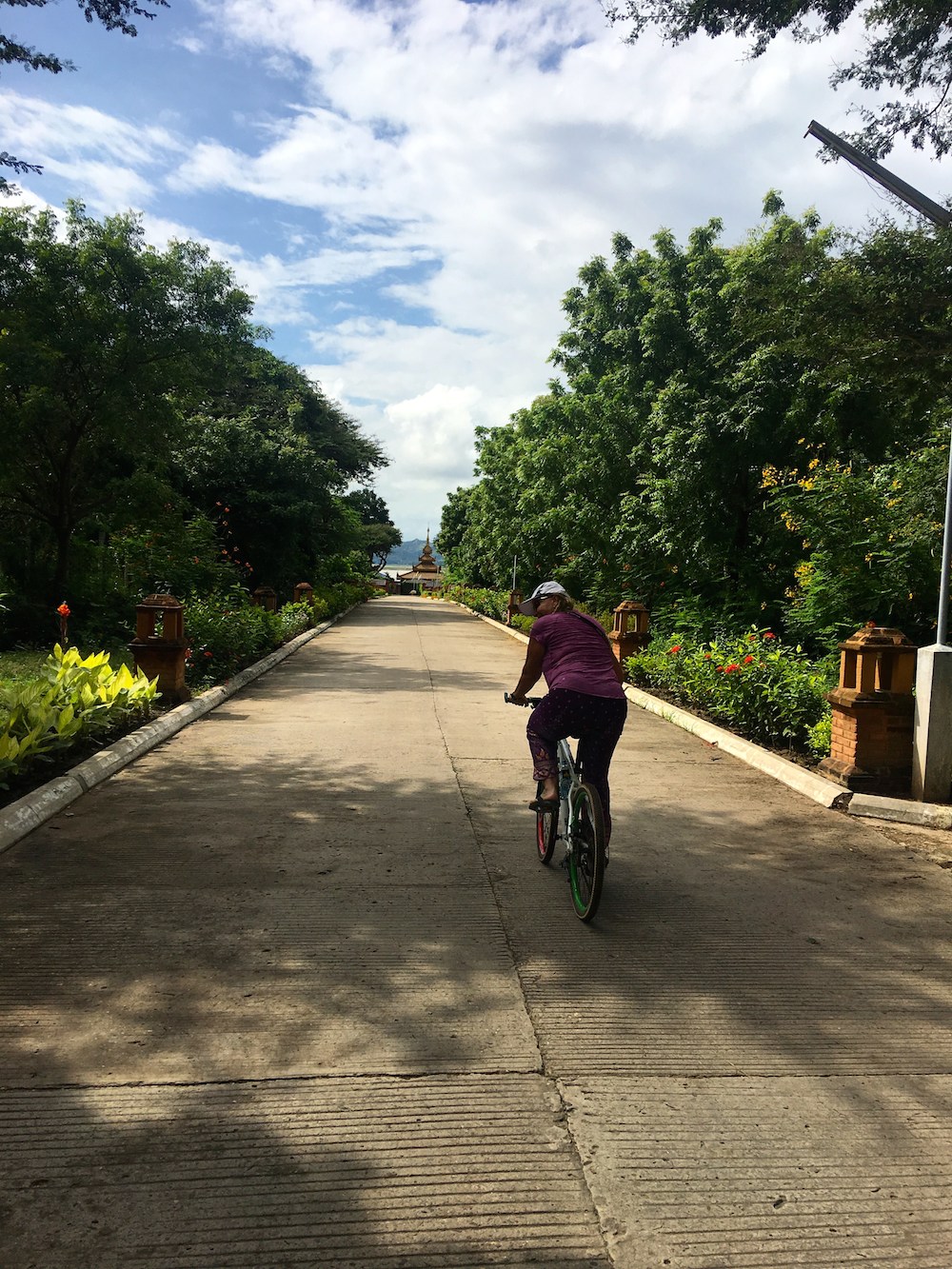
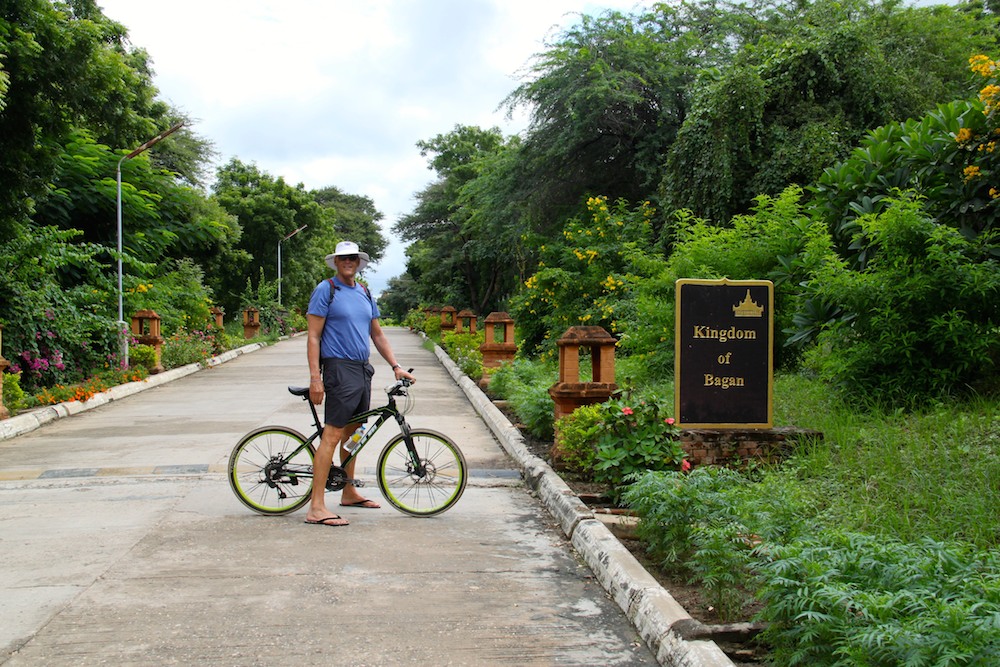
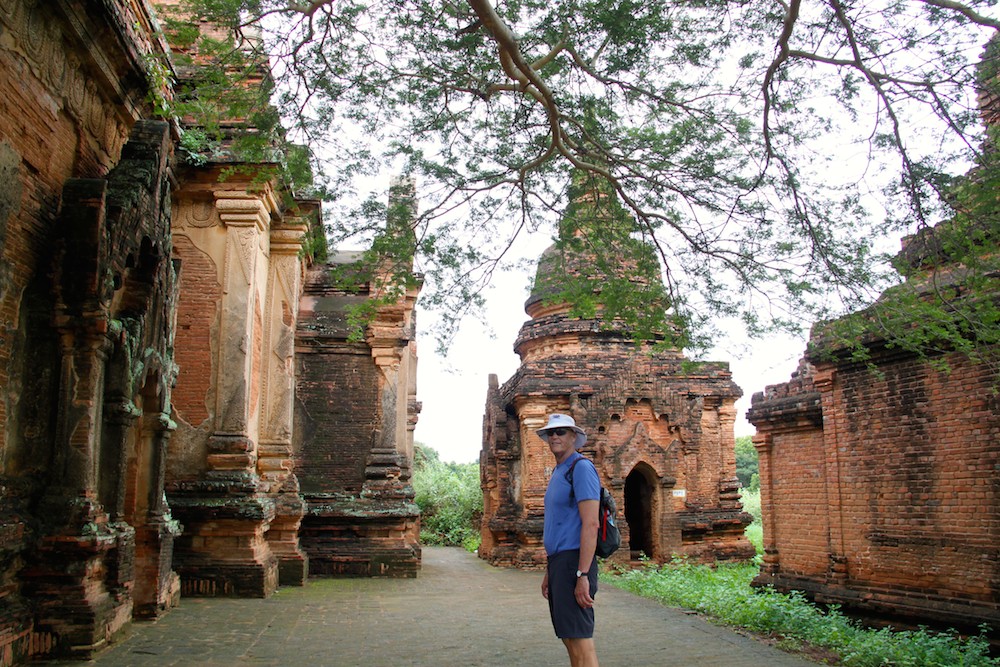
We climbed to the top of the tallest pagoda we could find to get beautiful views of the many ancient temples and pagodas.
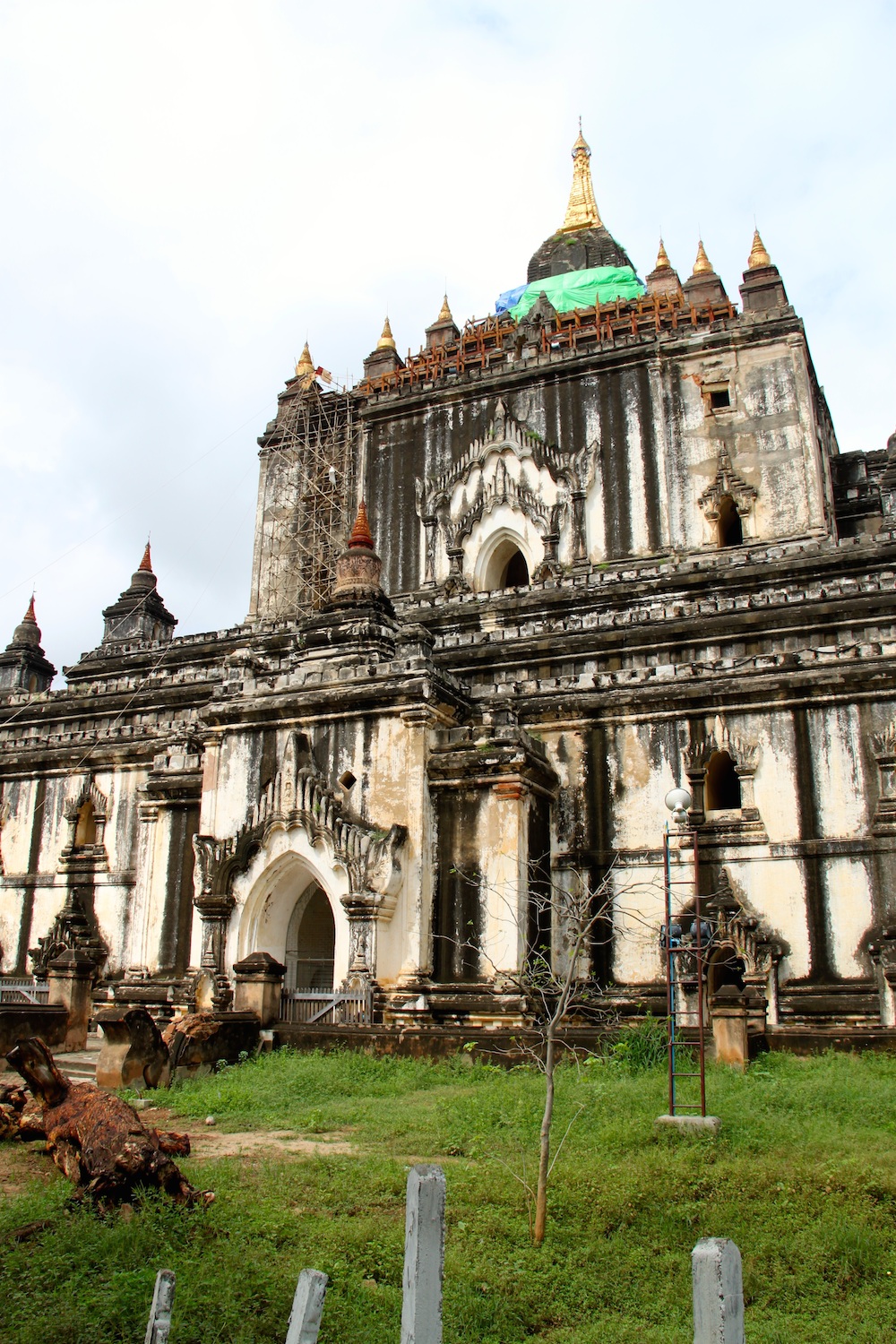
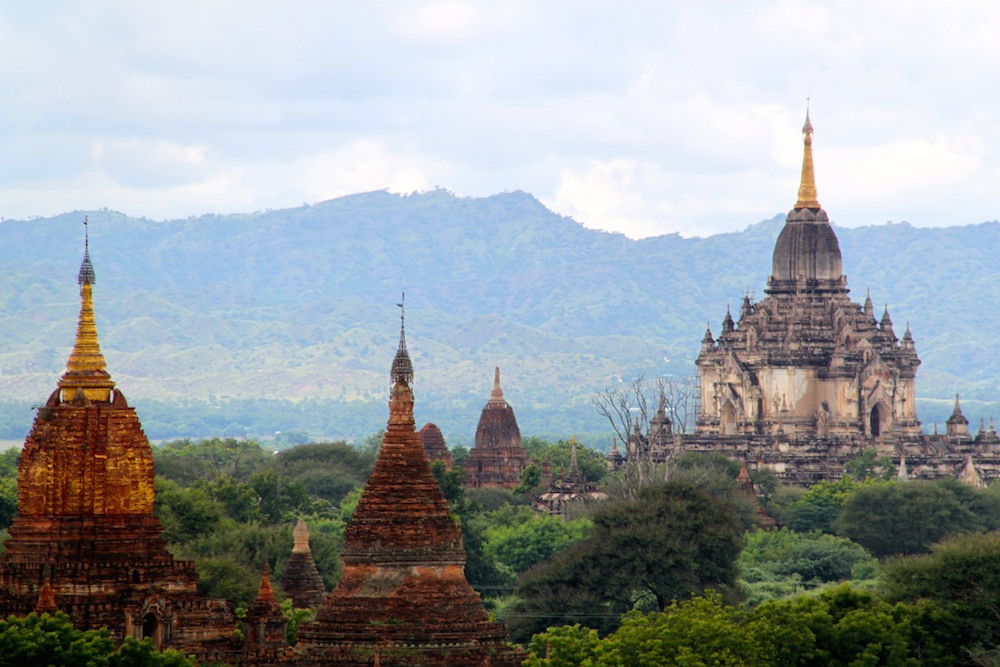

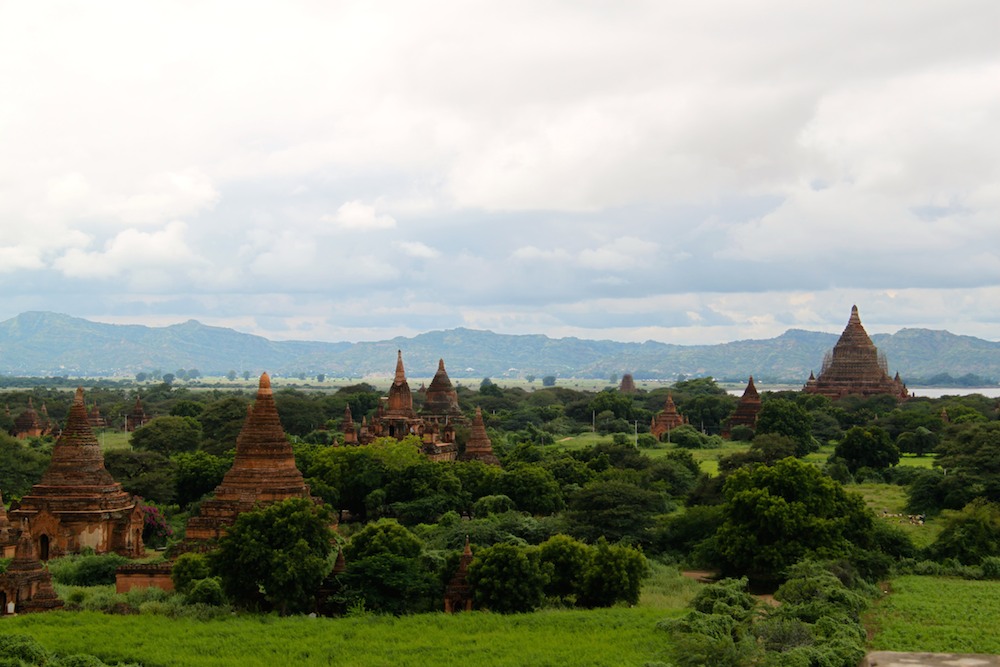
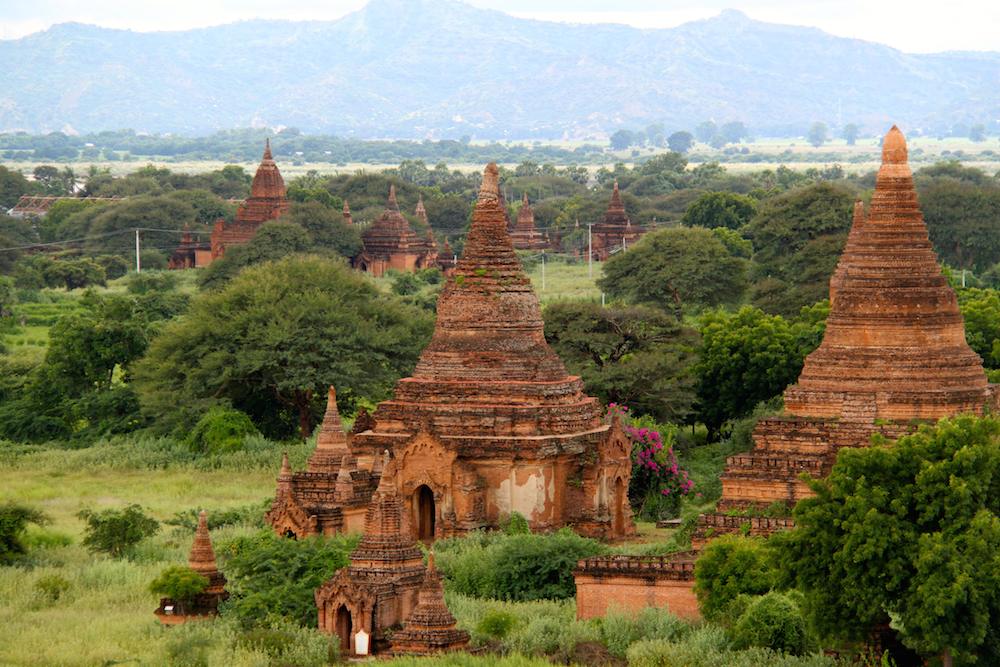
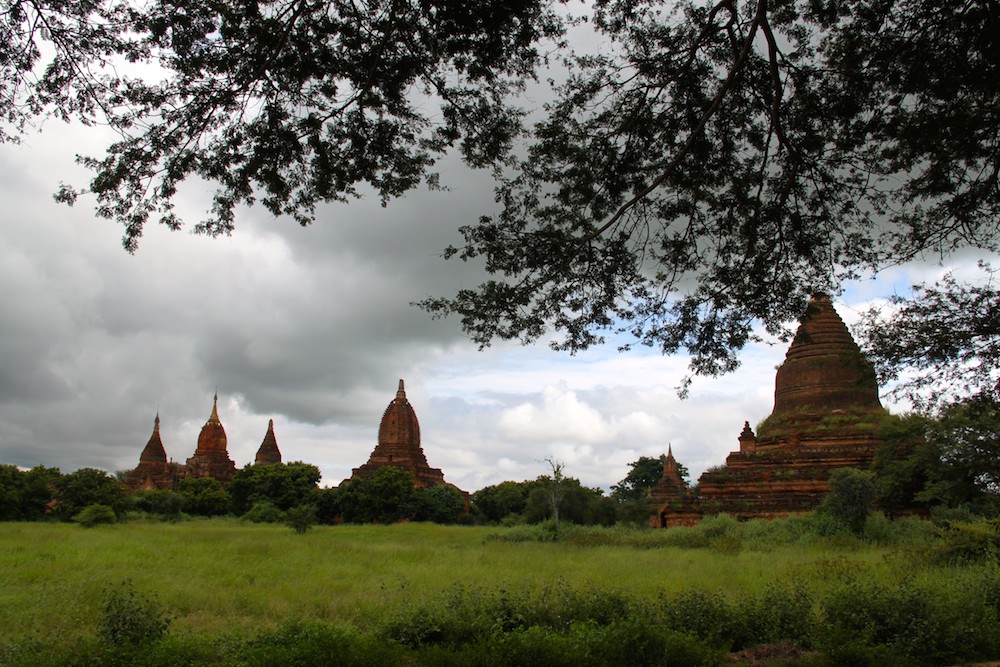
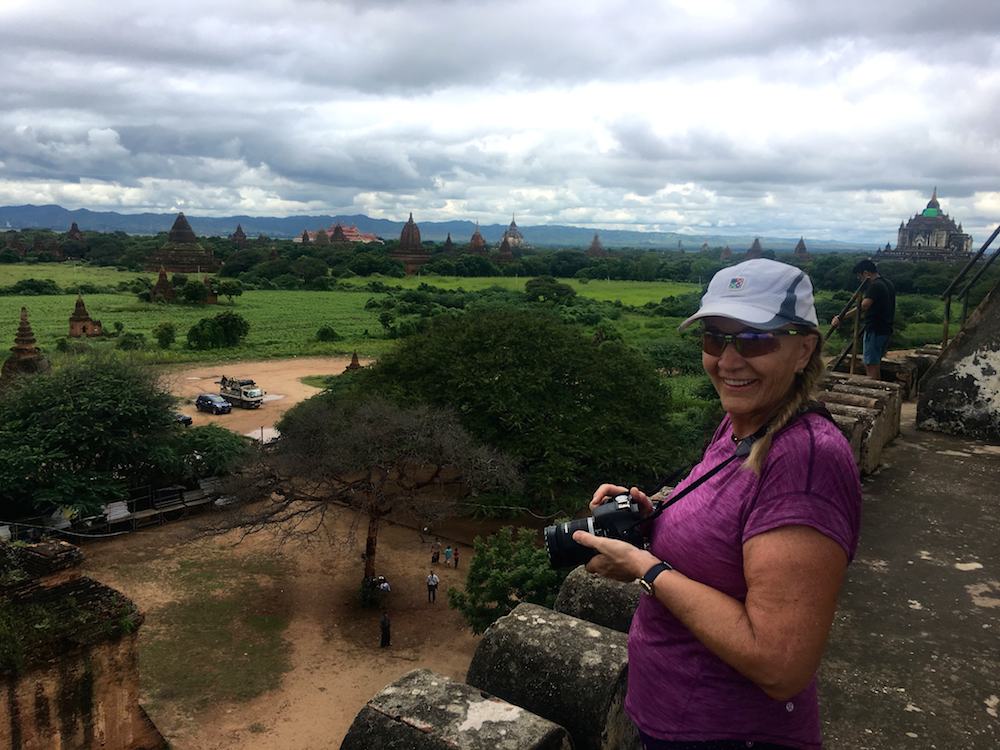
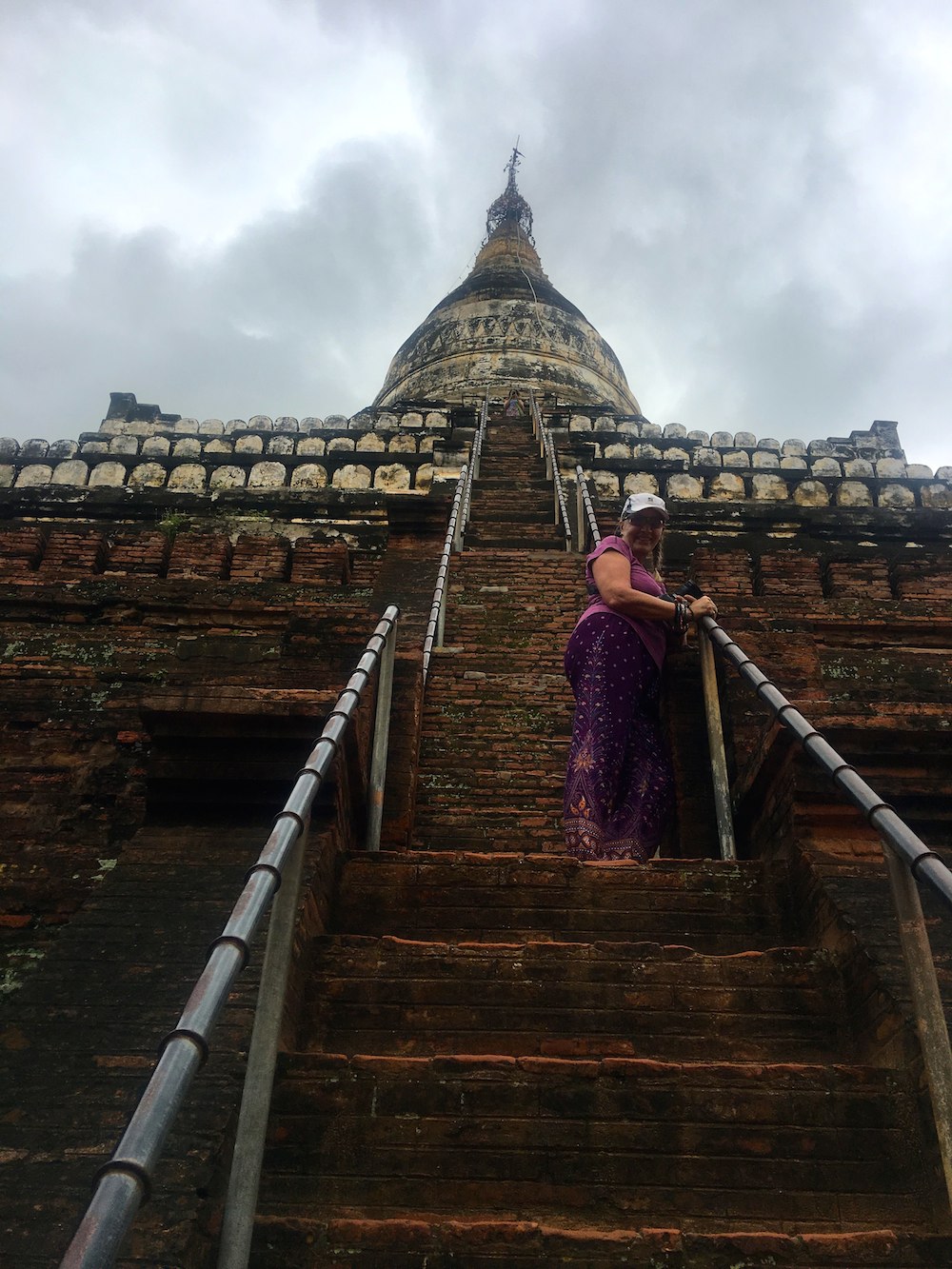
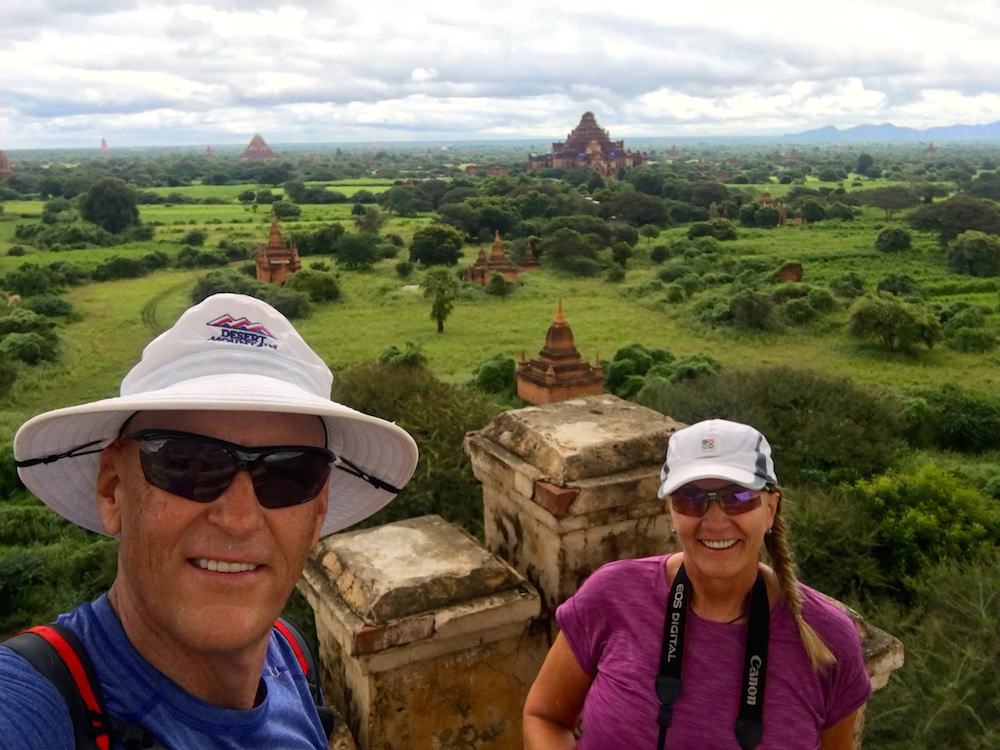
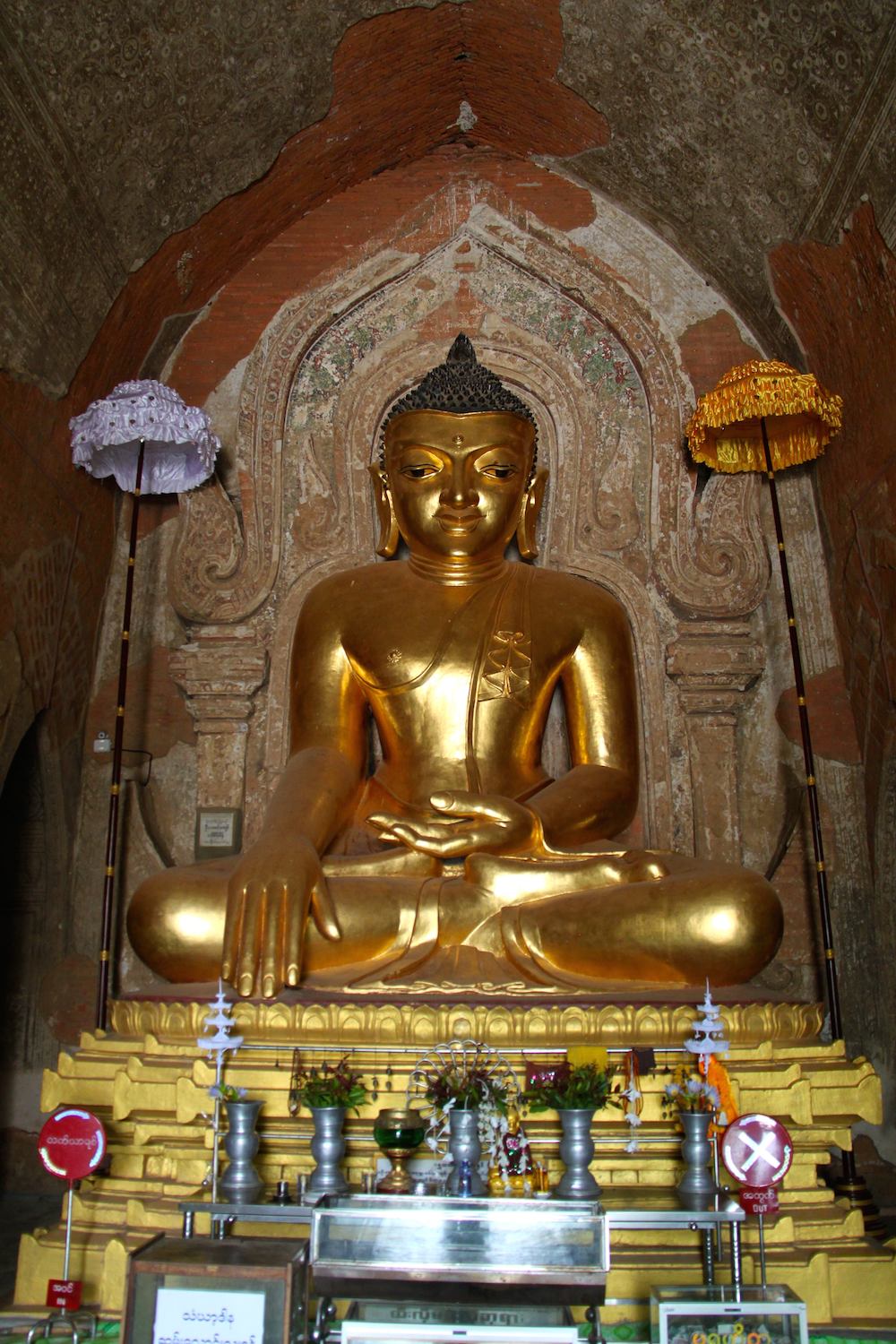
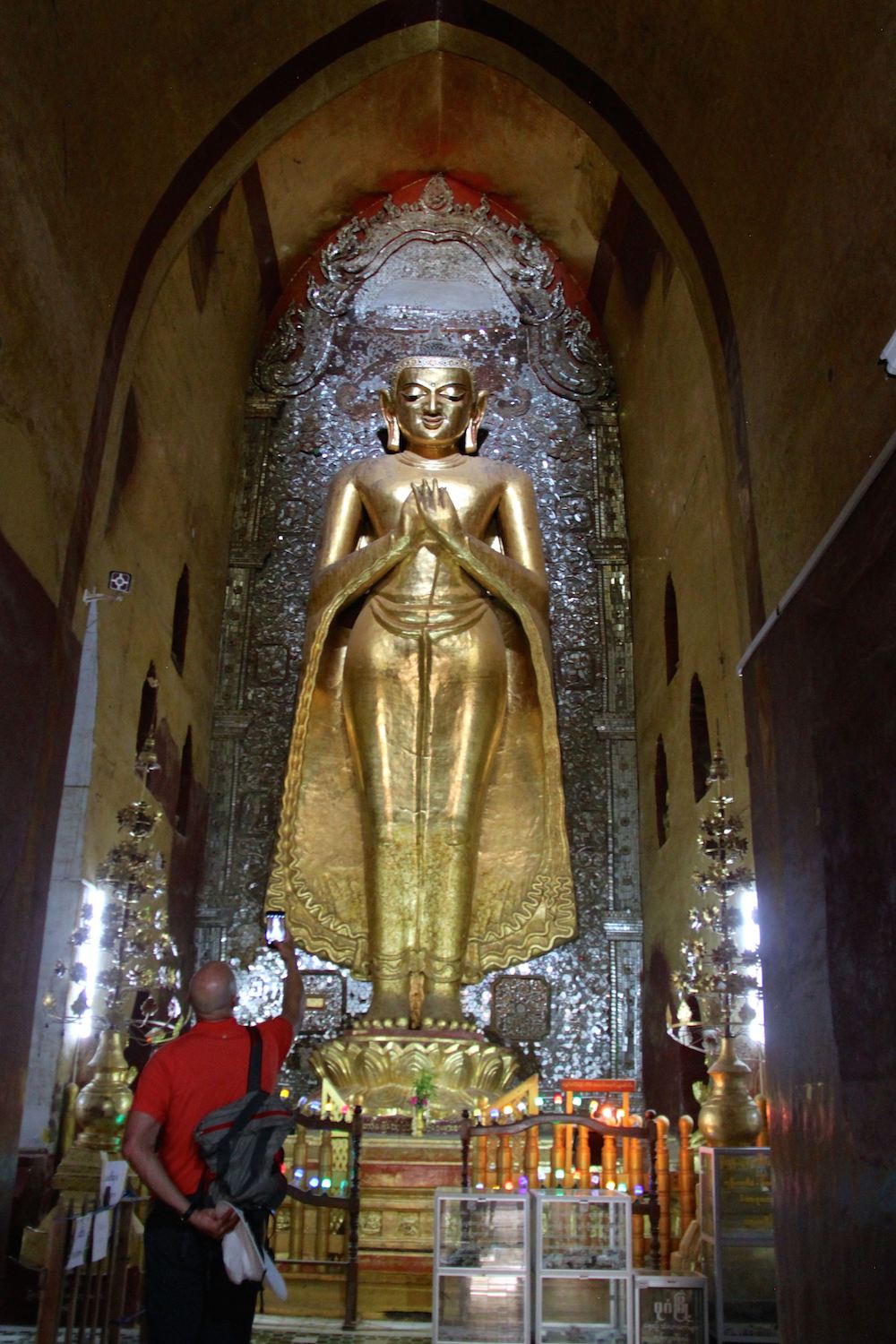
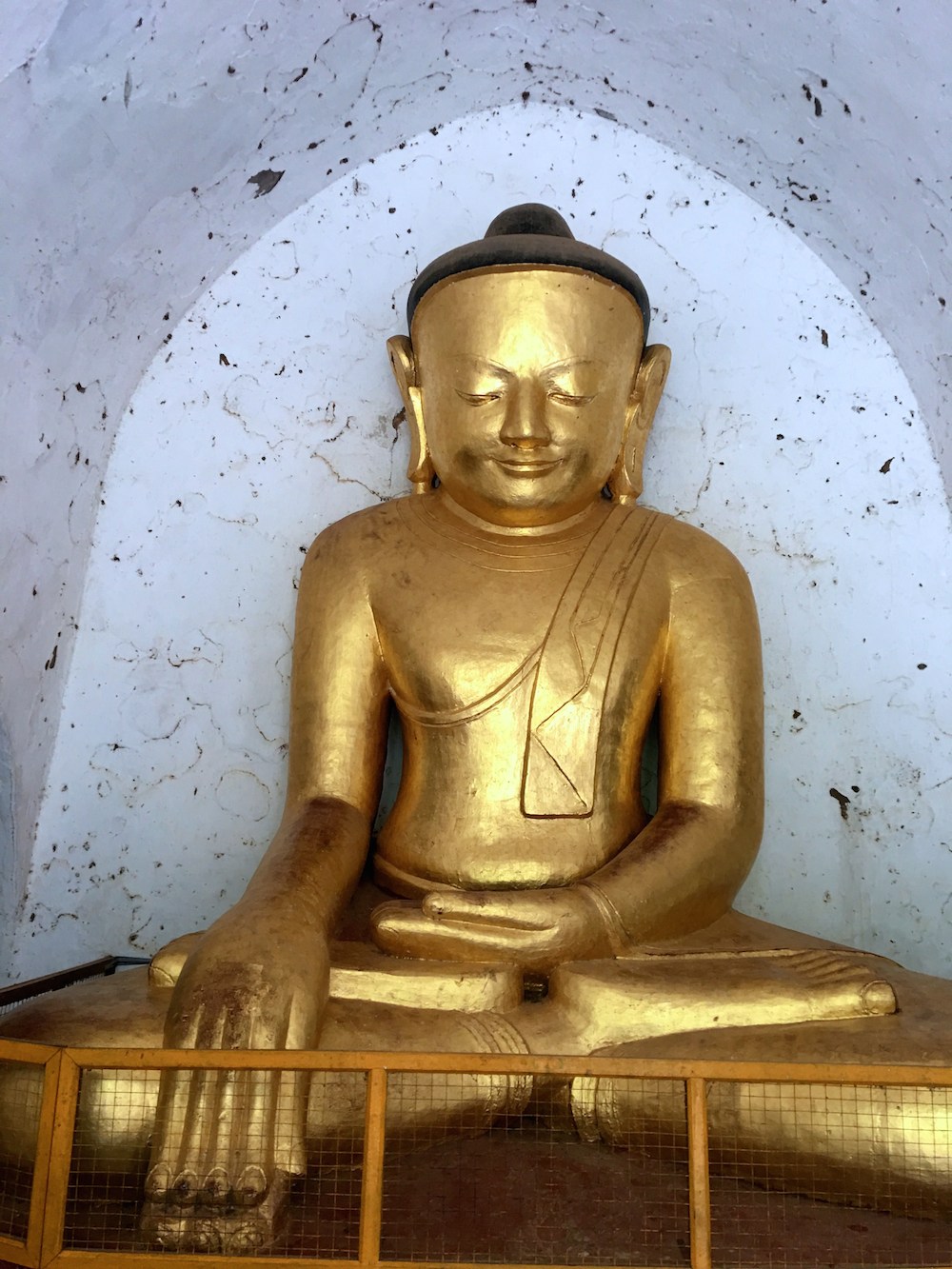
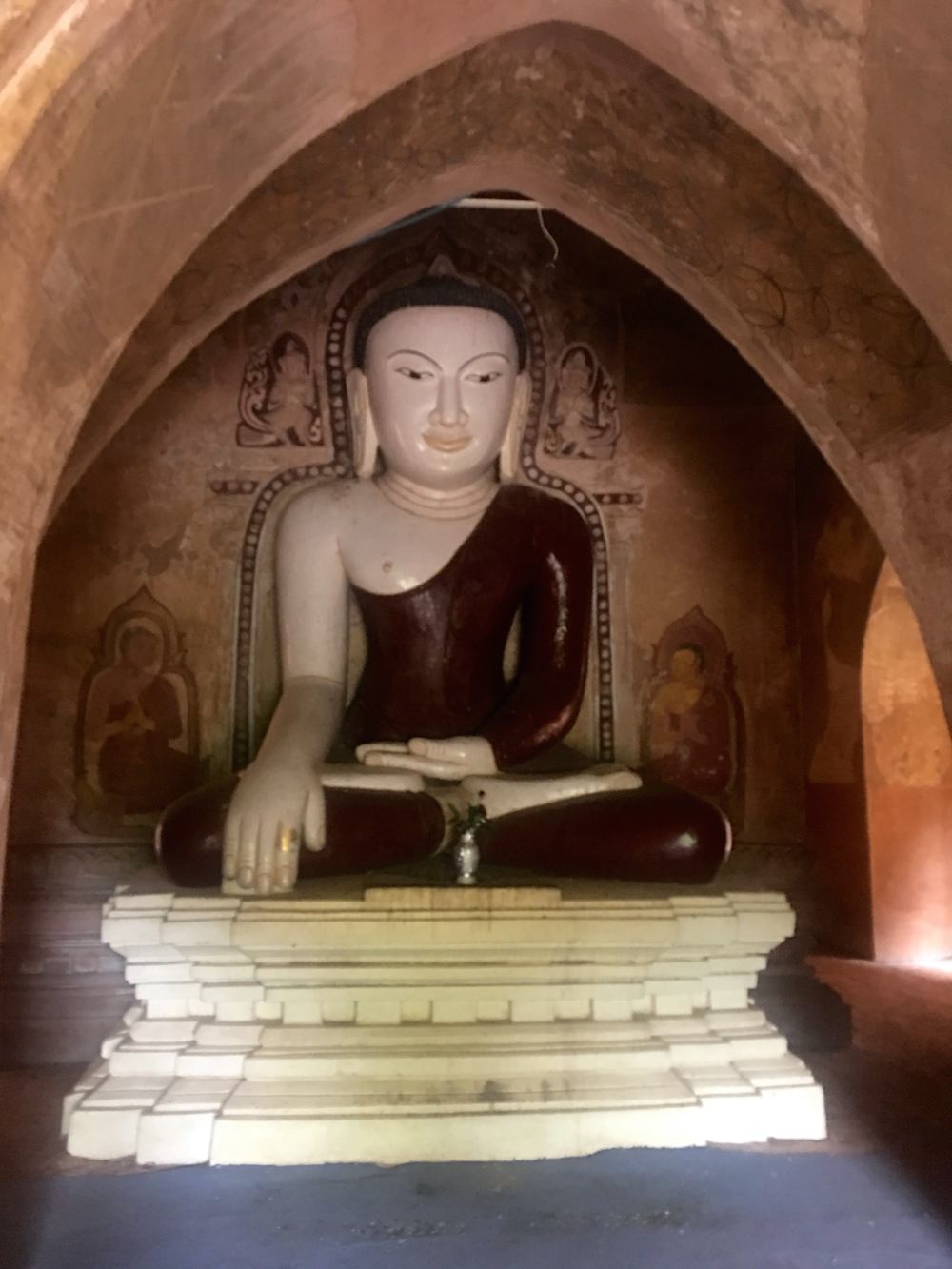
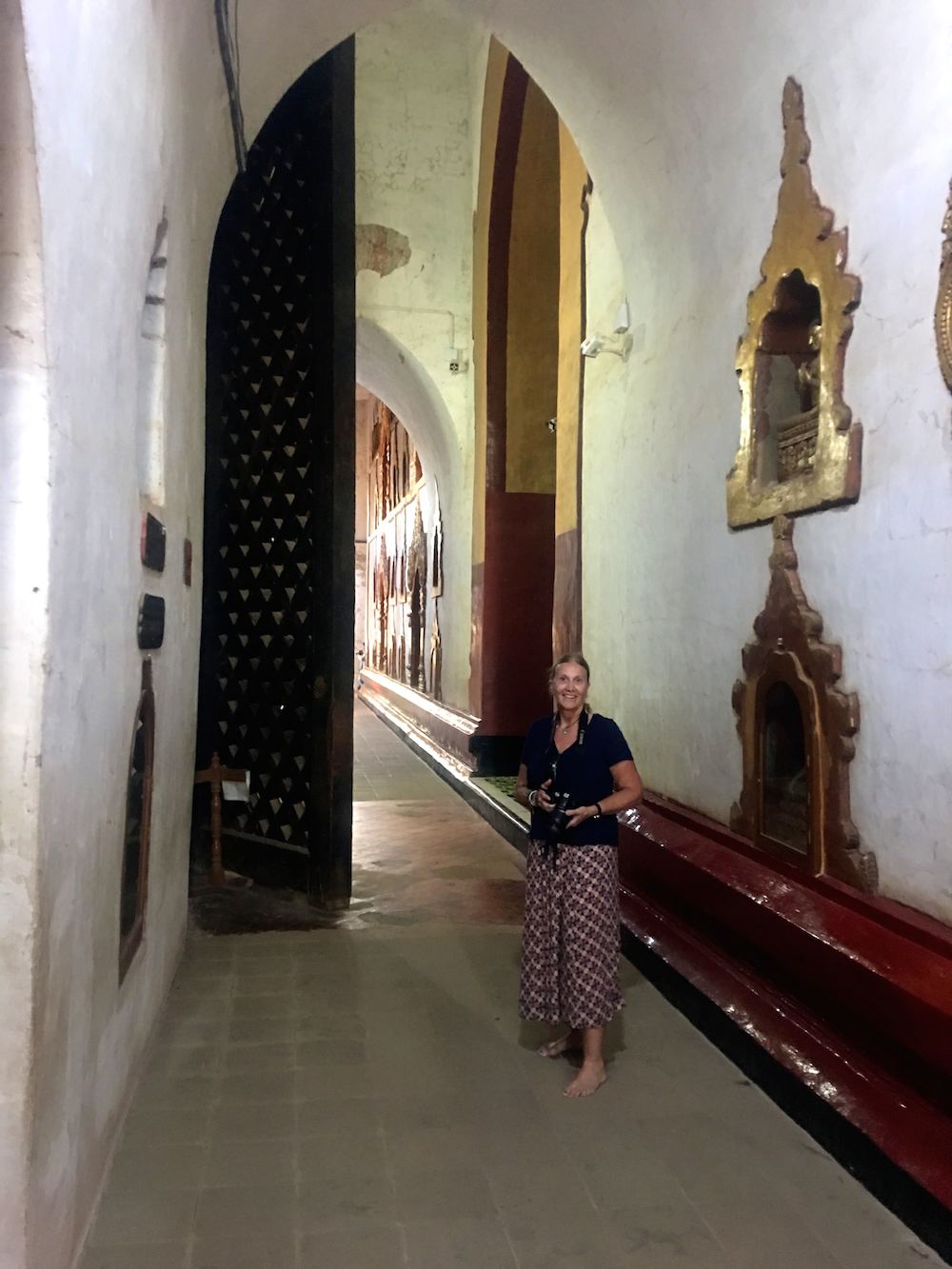
We wandered through more temples and wondered at the fresco’s and ancient Buddha statues created about 1000 years ago.
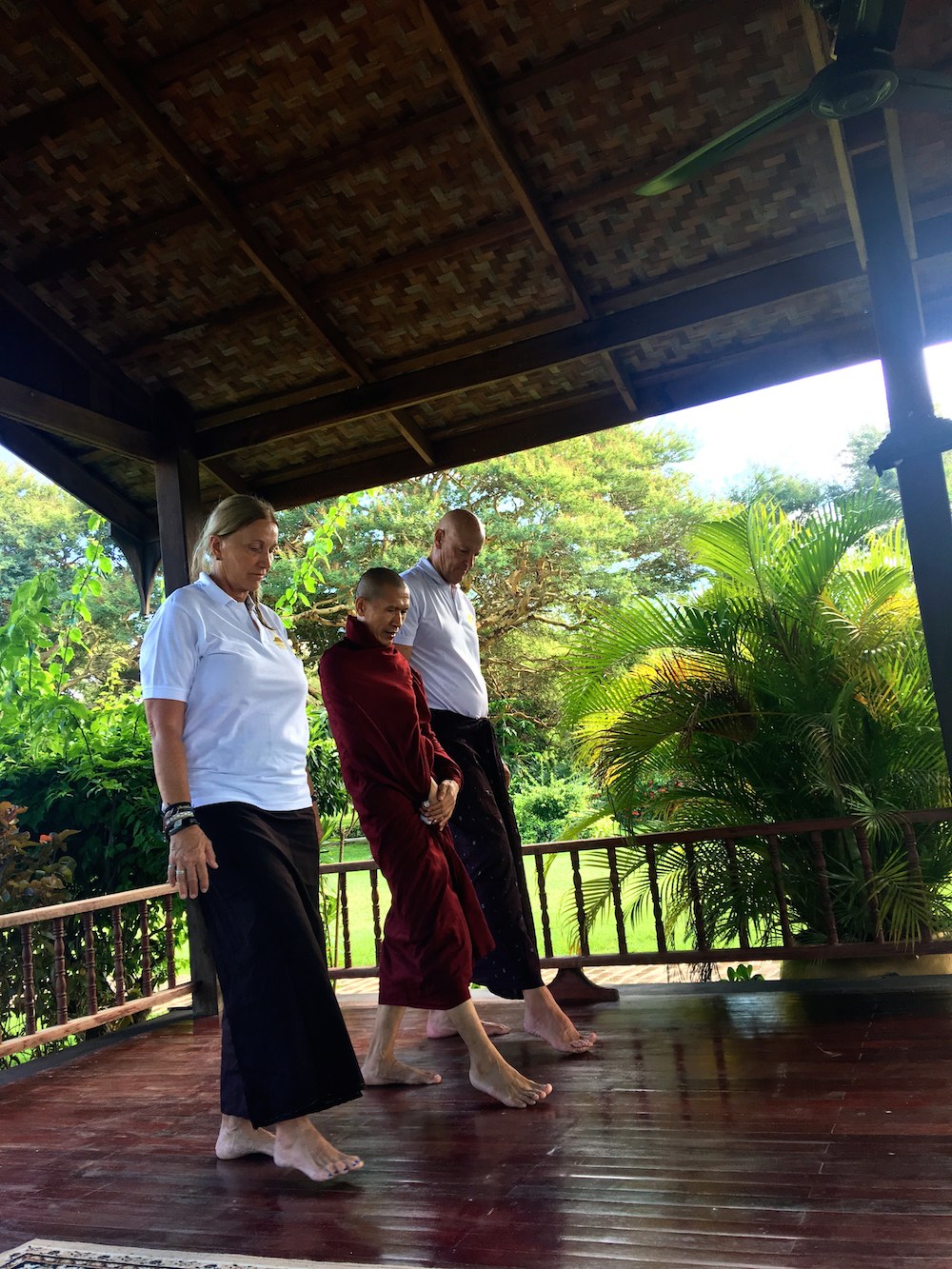
The hotel manager arranged for us to meet a monk from a nearby monastery so he could teach us how to meditate. We spent a couple of hours getting instruction on how to meditate with legs folded underneath us. We also learned how to meditate while walking a slow, rhythmic walk which was difficult since it required balancing on one foot about 3 seconds before taking the next step.

After a swim and some relaxation we went for 2 hour massages that were fantastic!
MANDALAY




After Burmese Kings were tired of the Bagan area they dismantled their palaces and moved them to Mandalay in about 1860. That only lasted until 1885 when the British came and ejected the King from his palace and tore down part of the temple complex to create a parade ground. The Mandalay Royal Palace and moat complex as it exists today is a reconstruction of the original as it existed in the 1860s. These palace buildings were completely destroyed during World War II as a result of occupation by the Japanese.

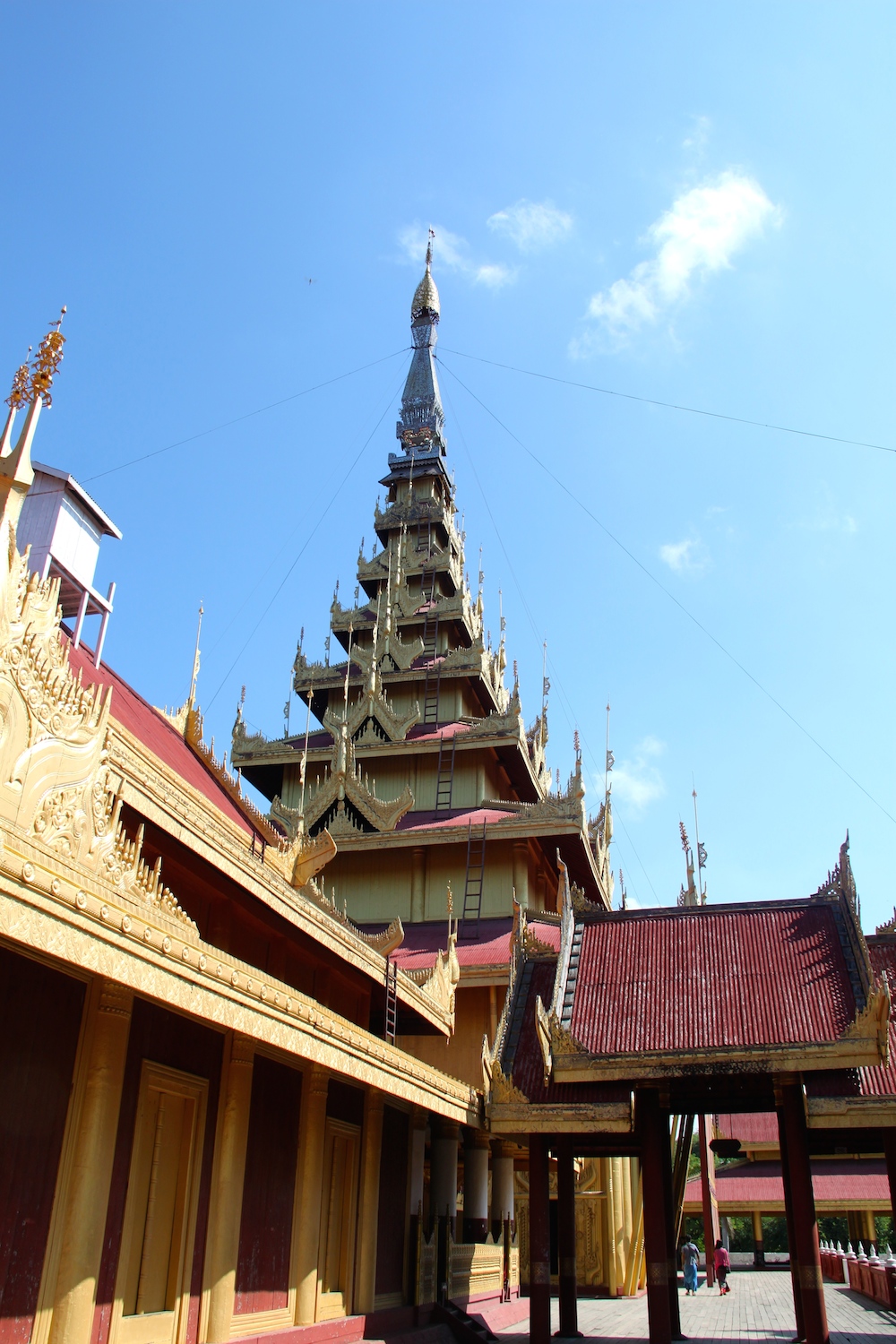
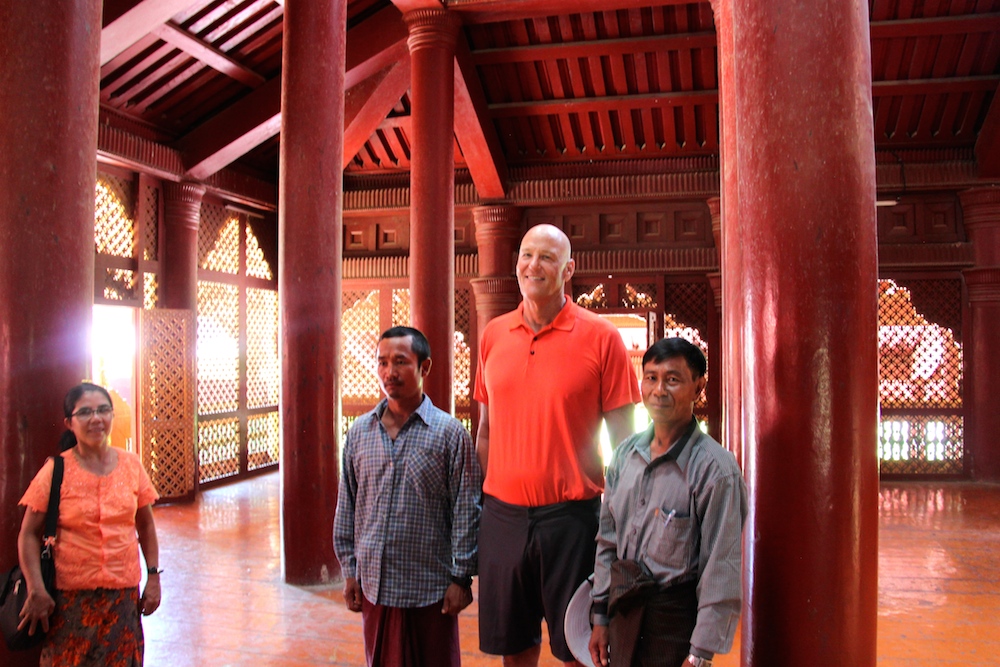
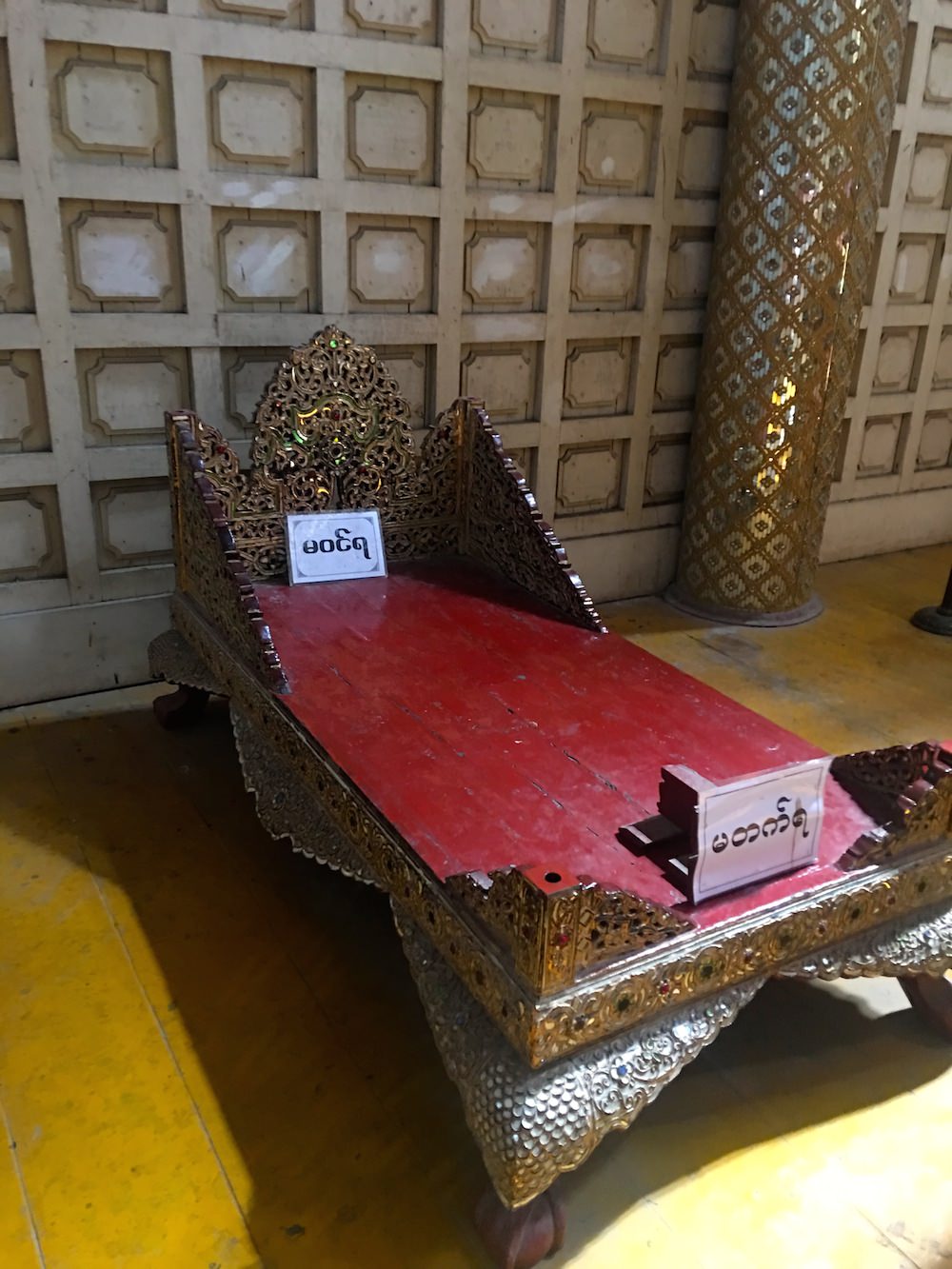
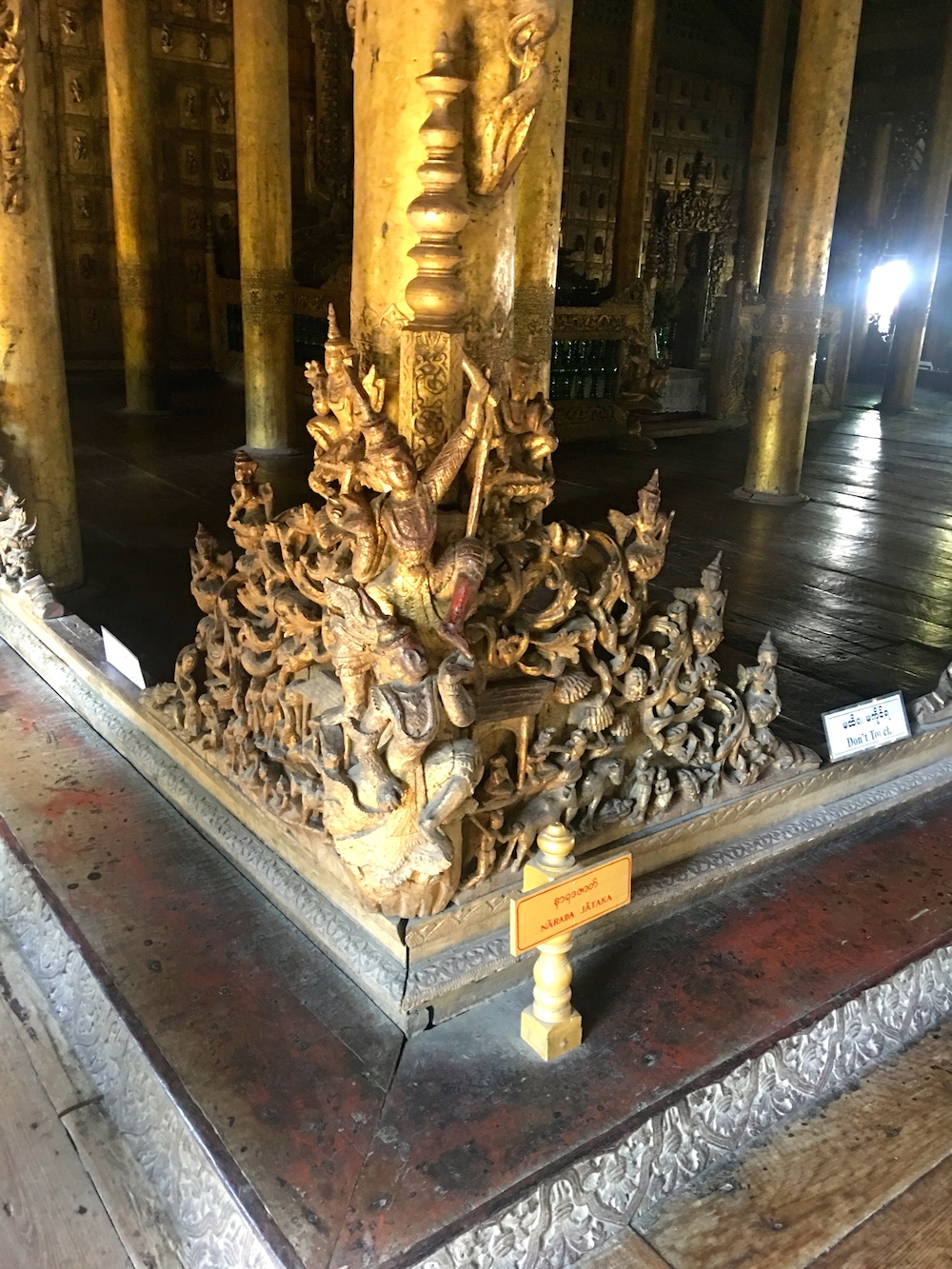
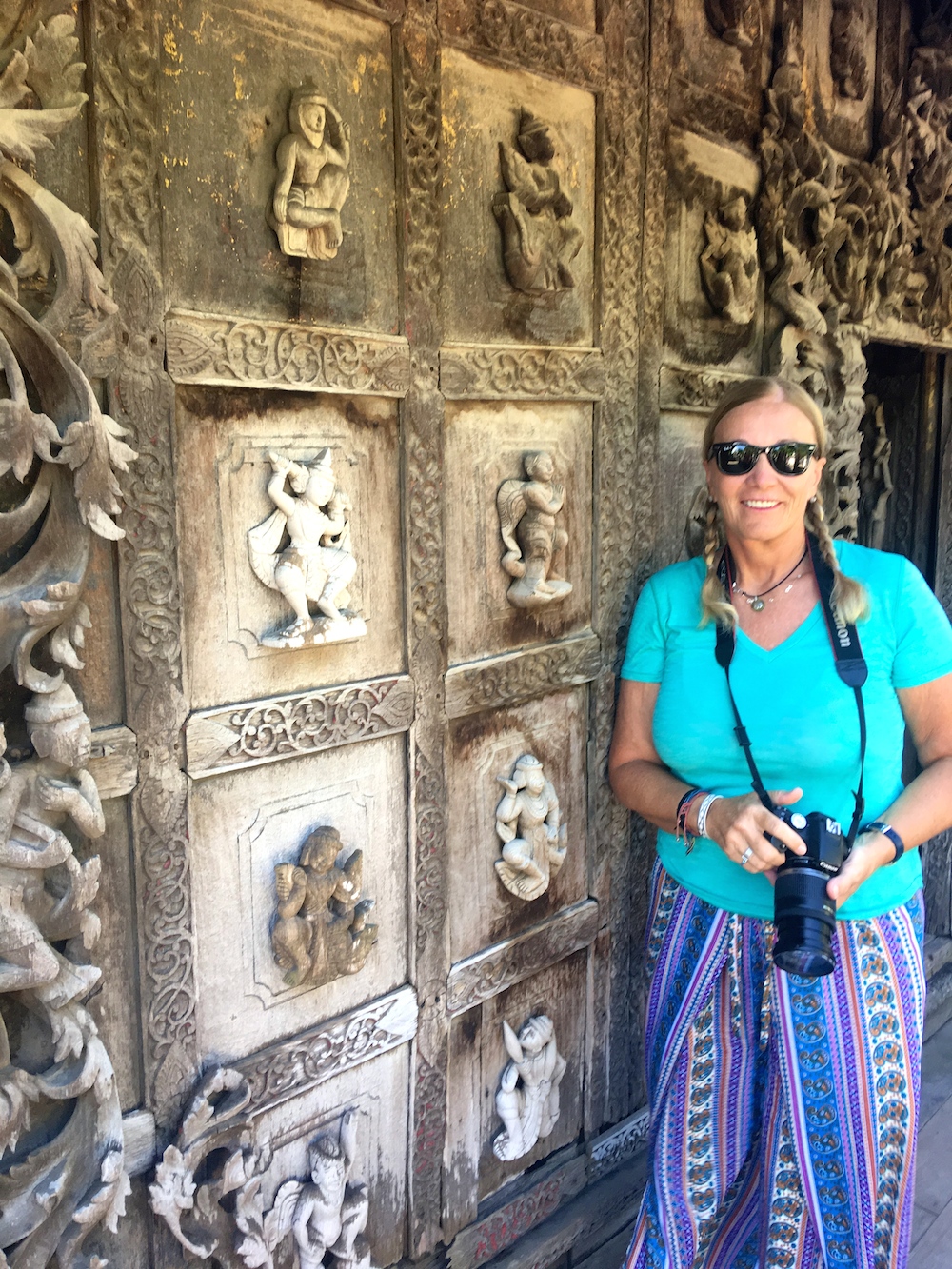
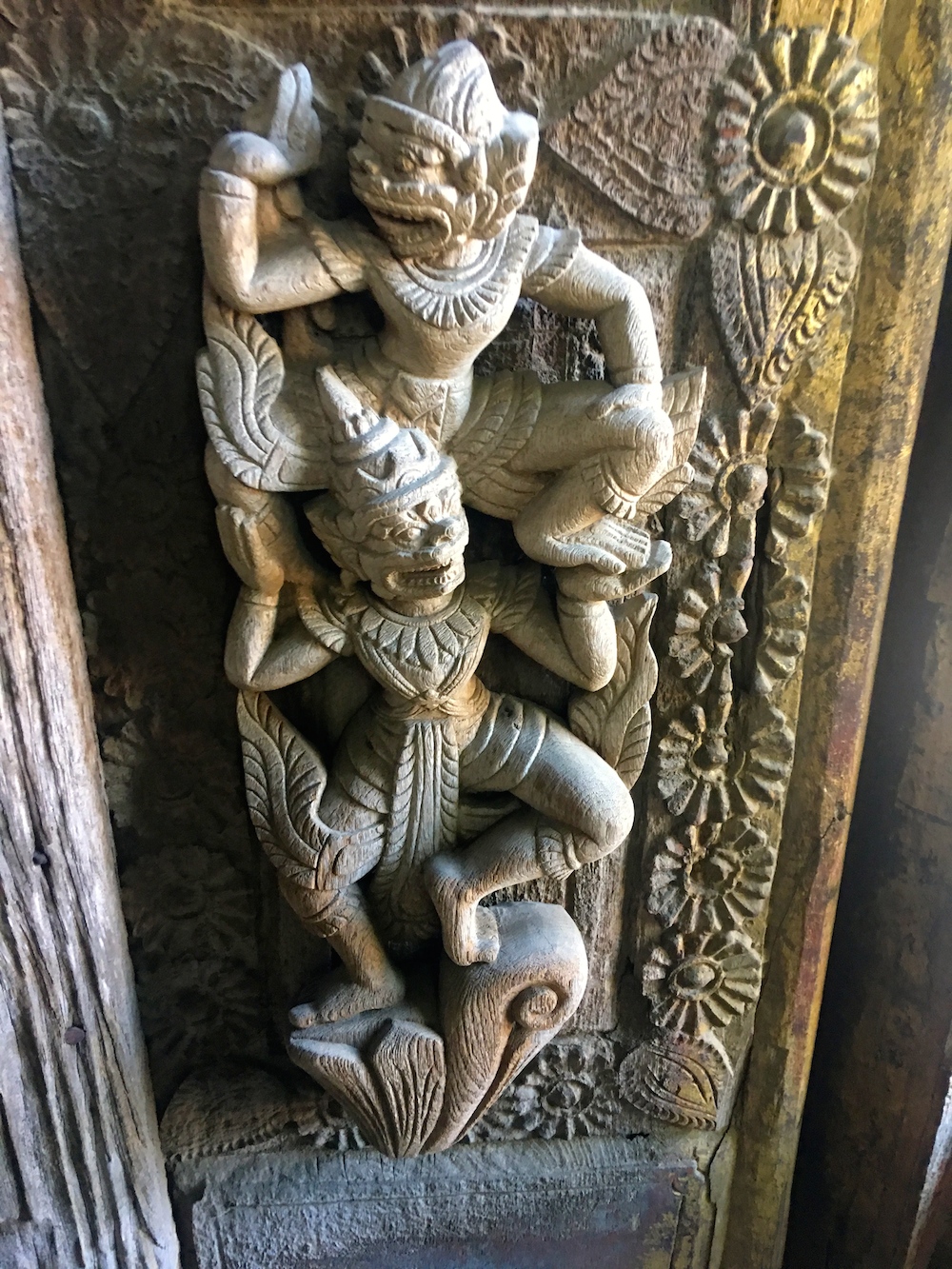
There was one palace that was saved because the King in 1860 did not want the palace of the former King inside the fortress walls so he had the palace torn down and moved outside the palace complex and converted to a monastery. Today it is called the Golden Palace Monastery and is built with teak wood and has intricate teak carvings everywhere you look.
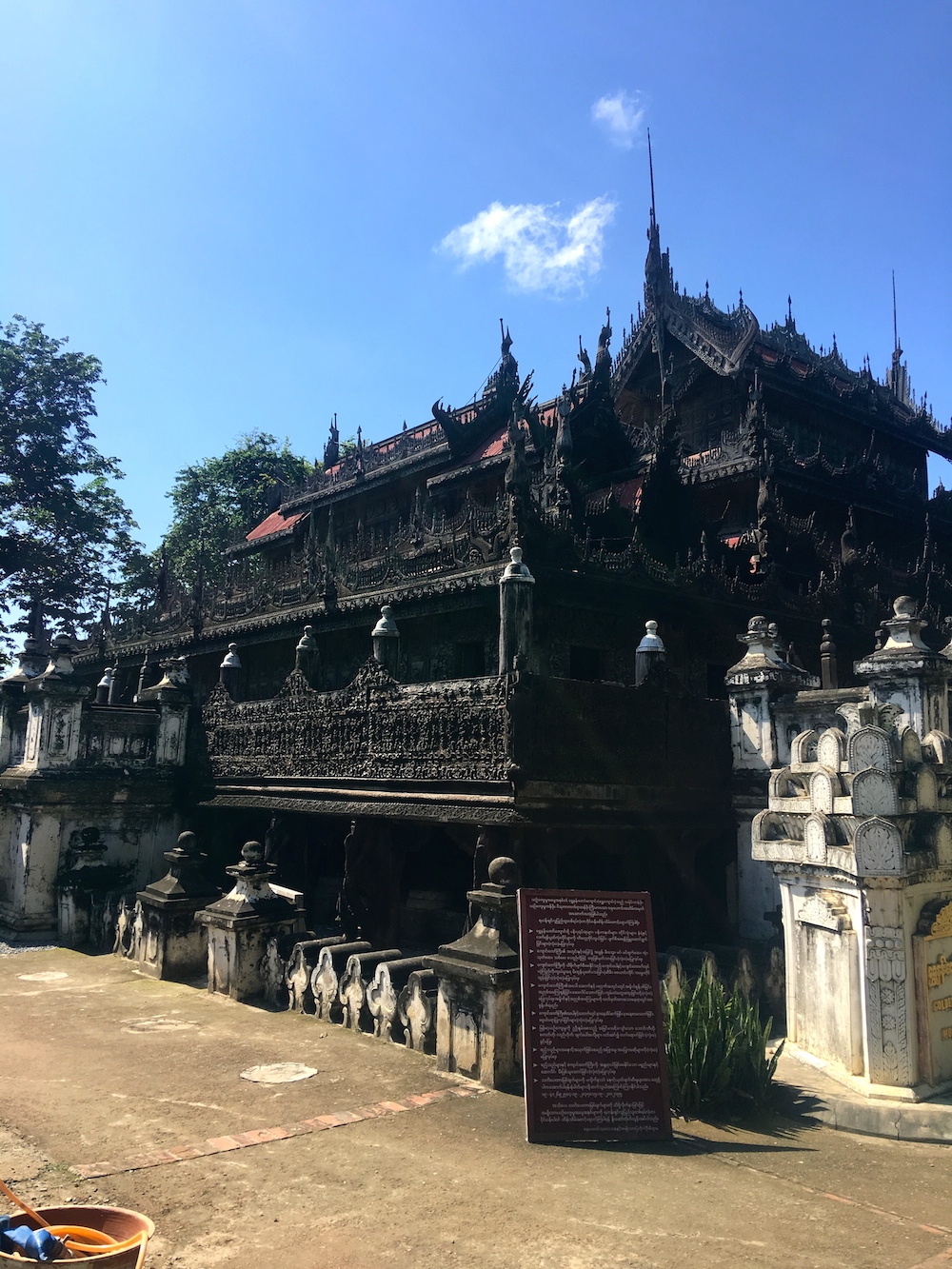

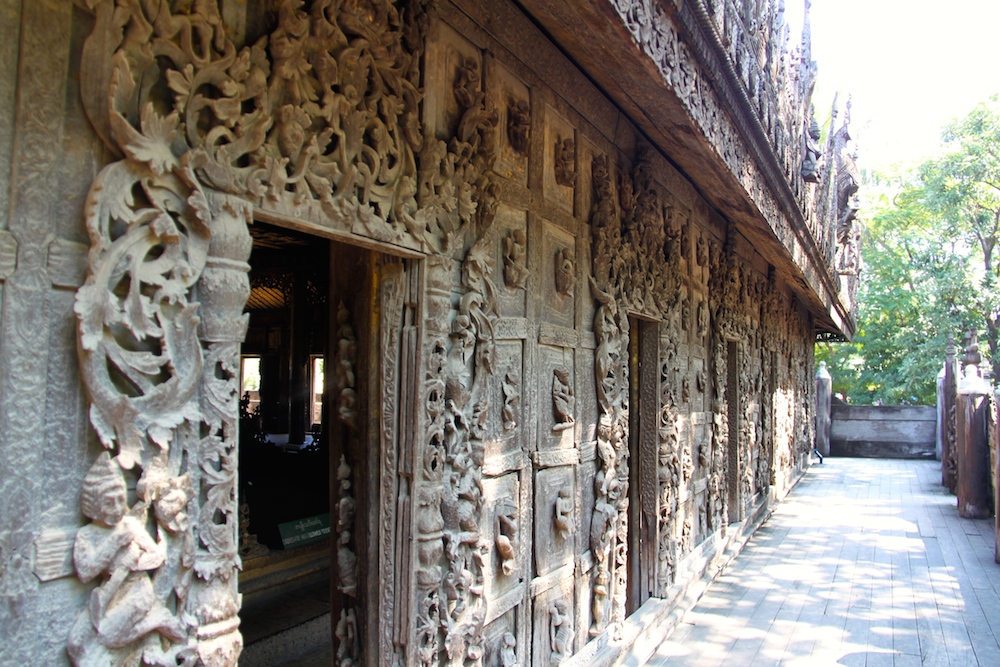
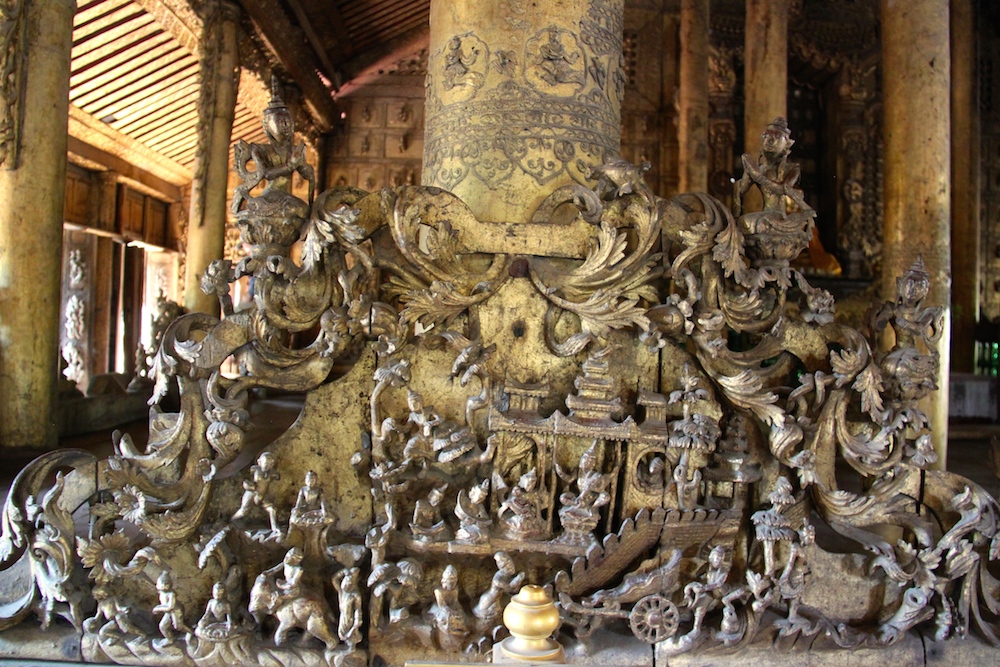
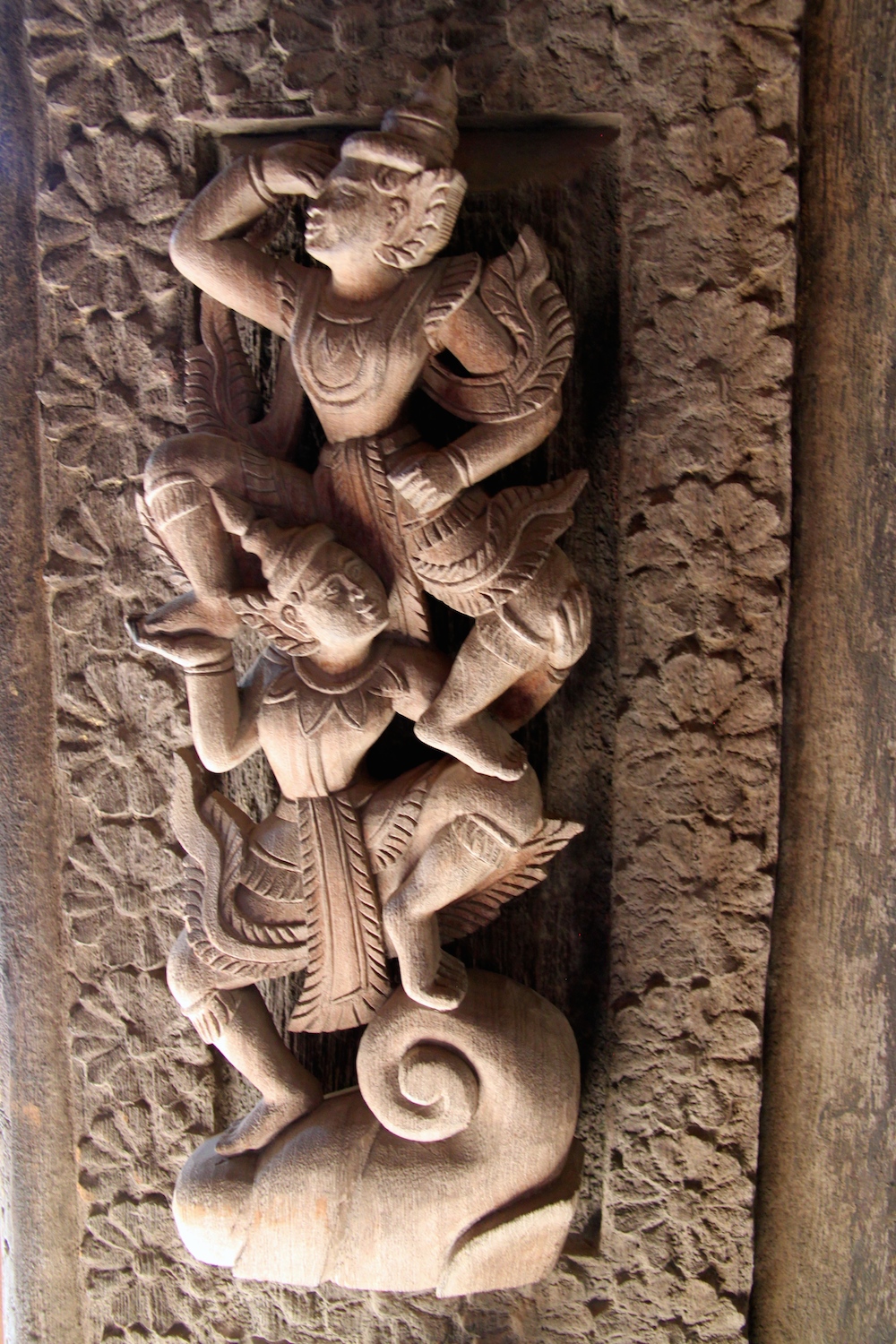
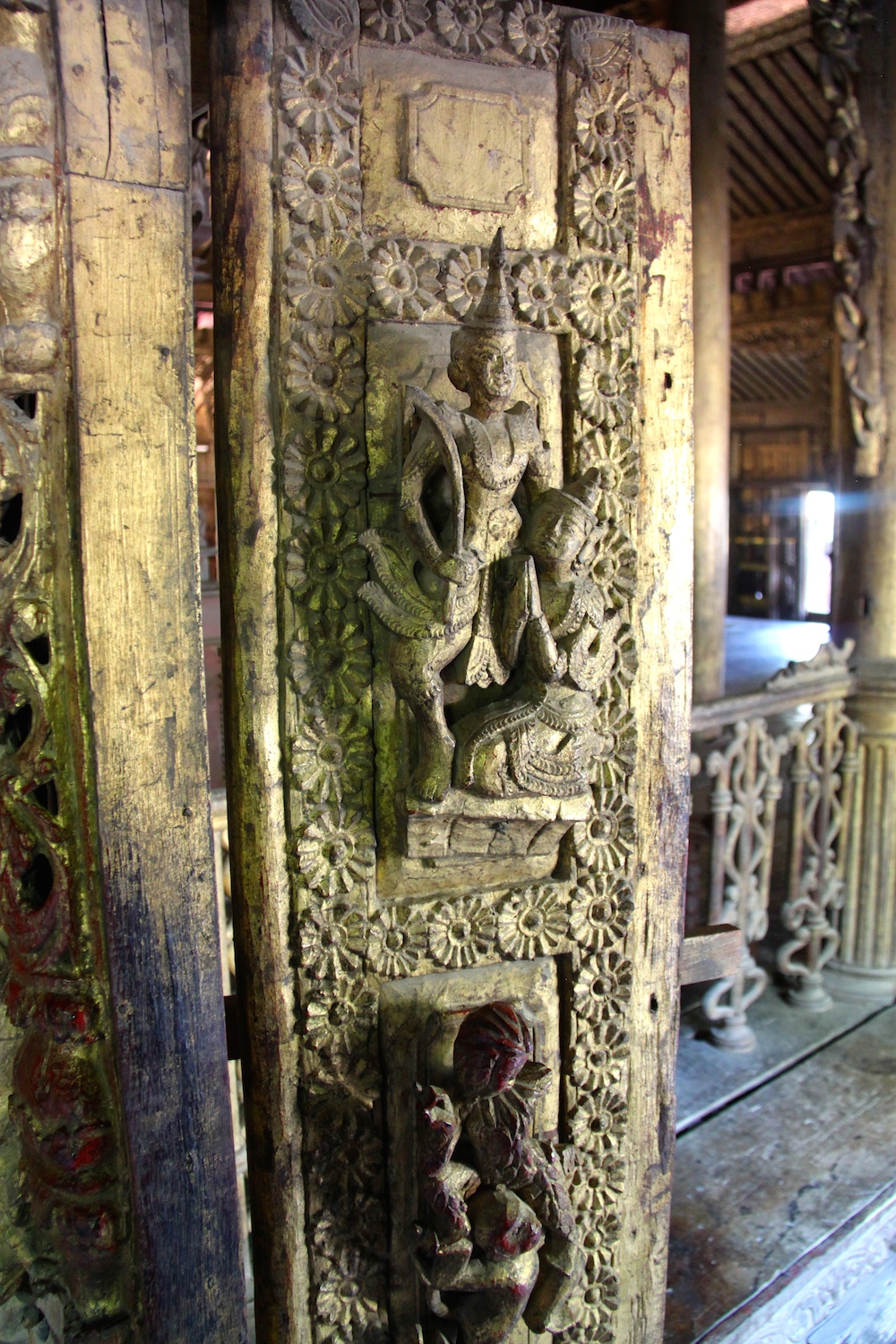
Kuthodaw Paya is another temple that contains 729 white marble stupas with holy text written on each stupa.
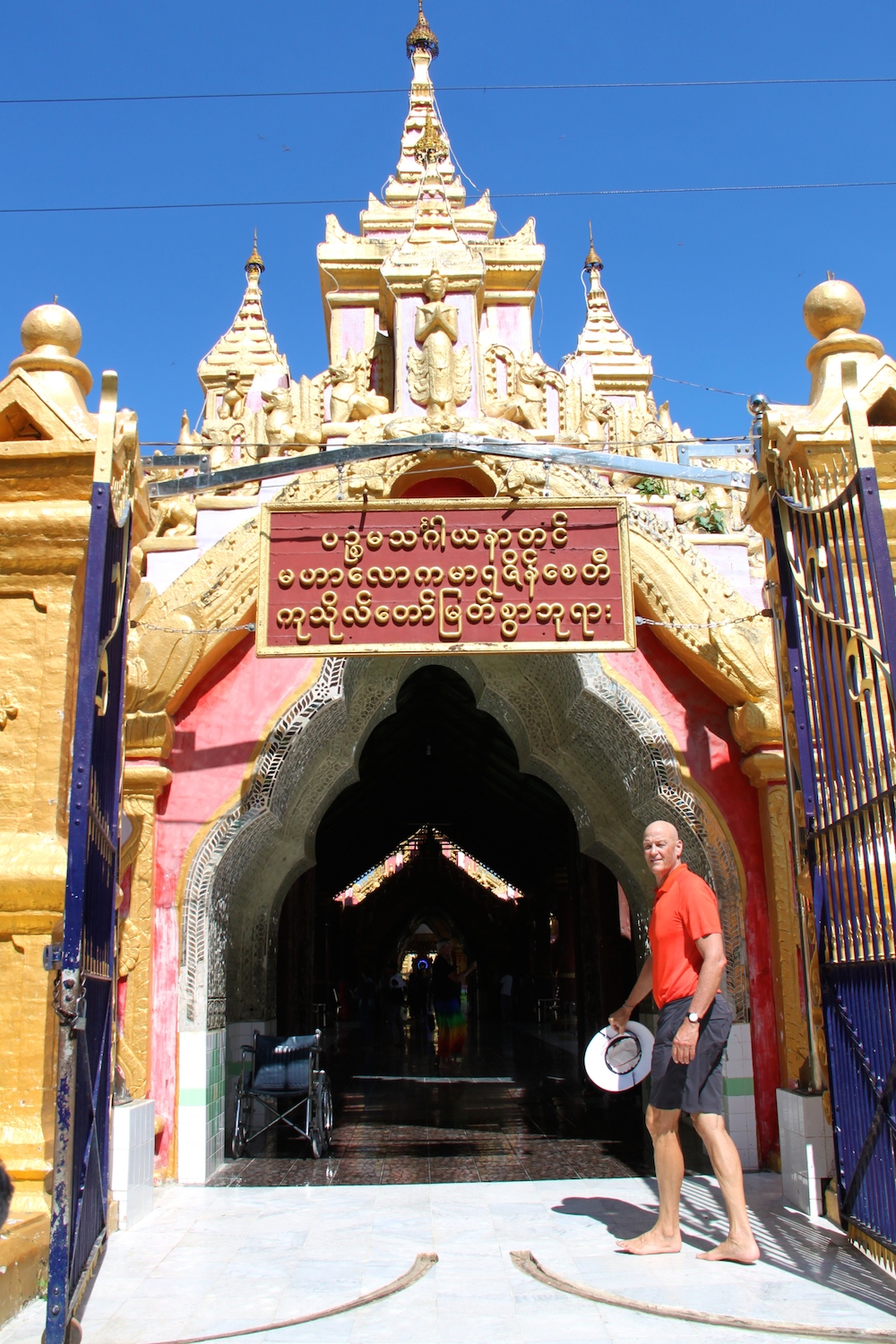
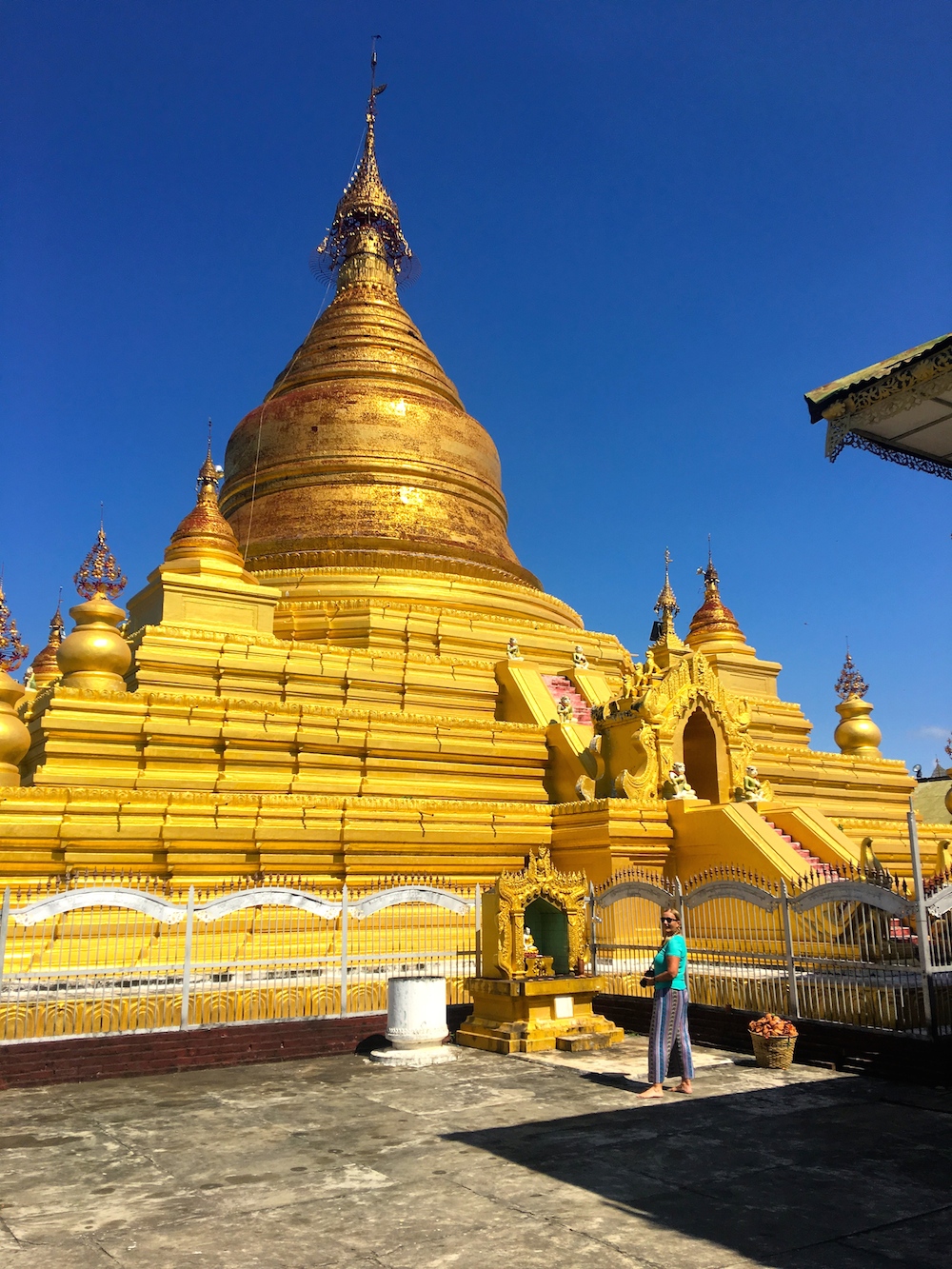

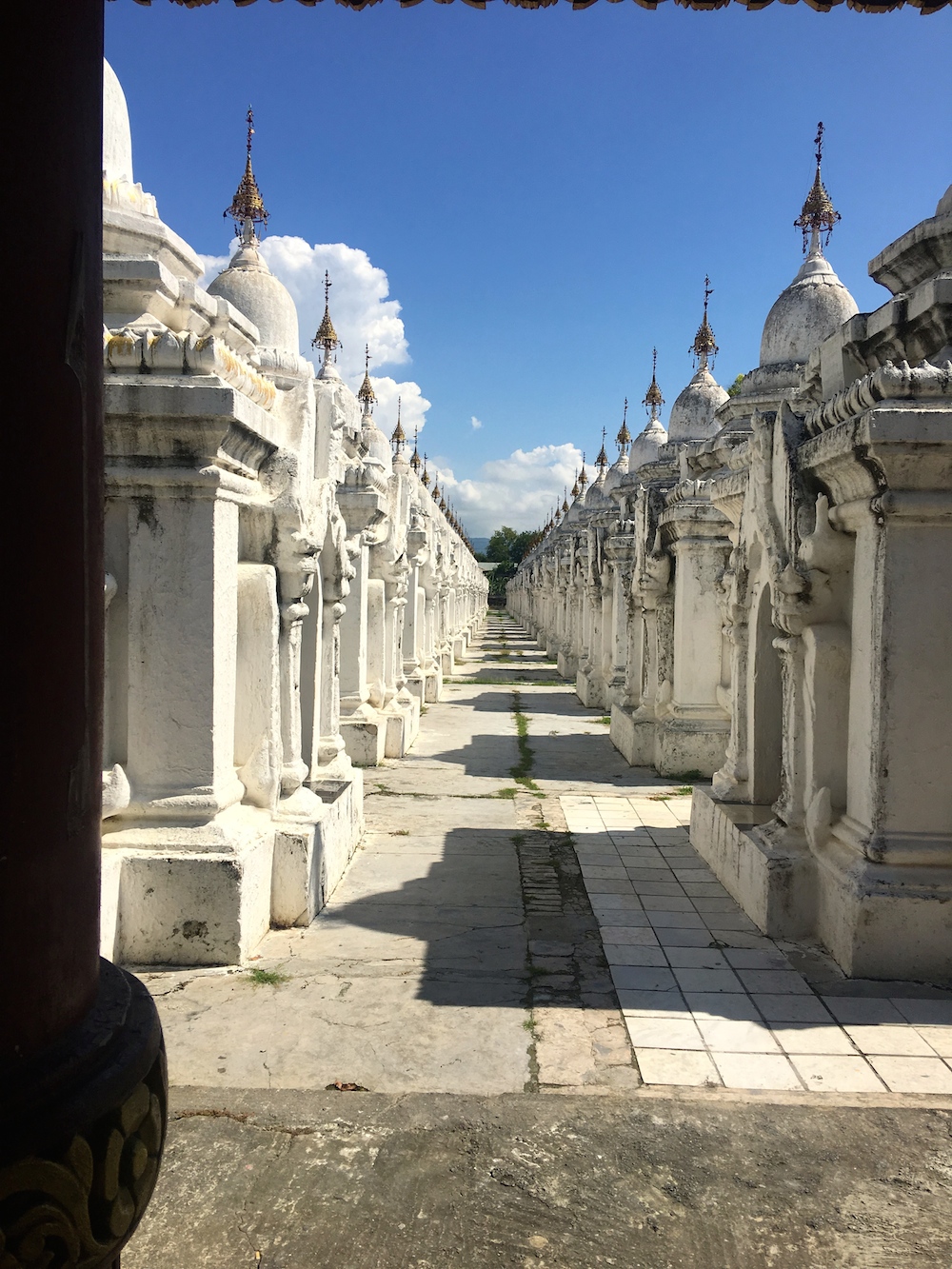
Legend recalls that Buddha himself visited Mandalay Hill in a previous incarnation and walked to the top of Mandalay Hill disguised as a chicken. At the top of the hill there is another temple. There is a nice view of Mandalay.

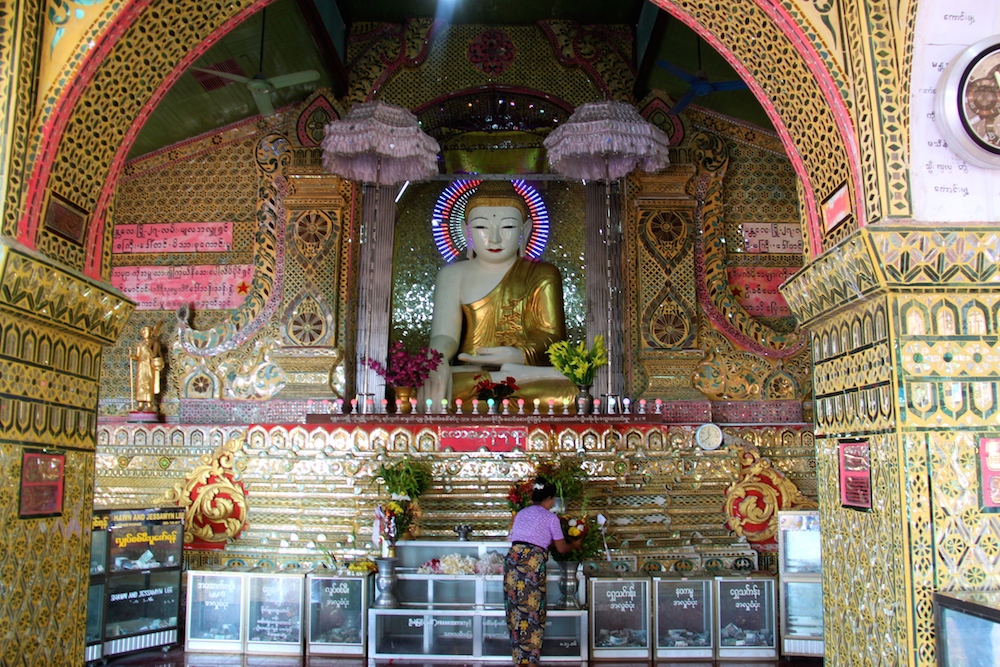
Inle Lake
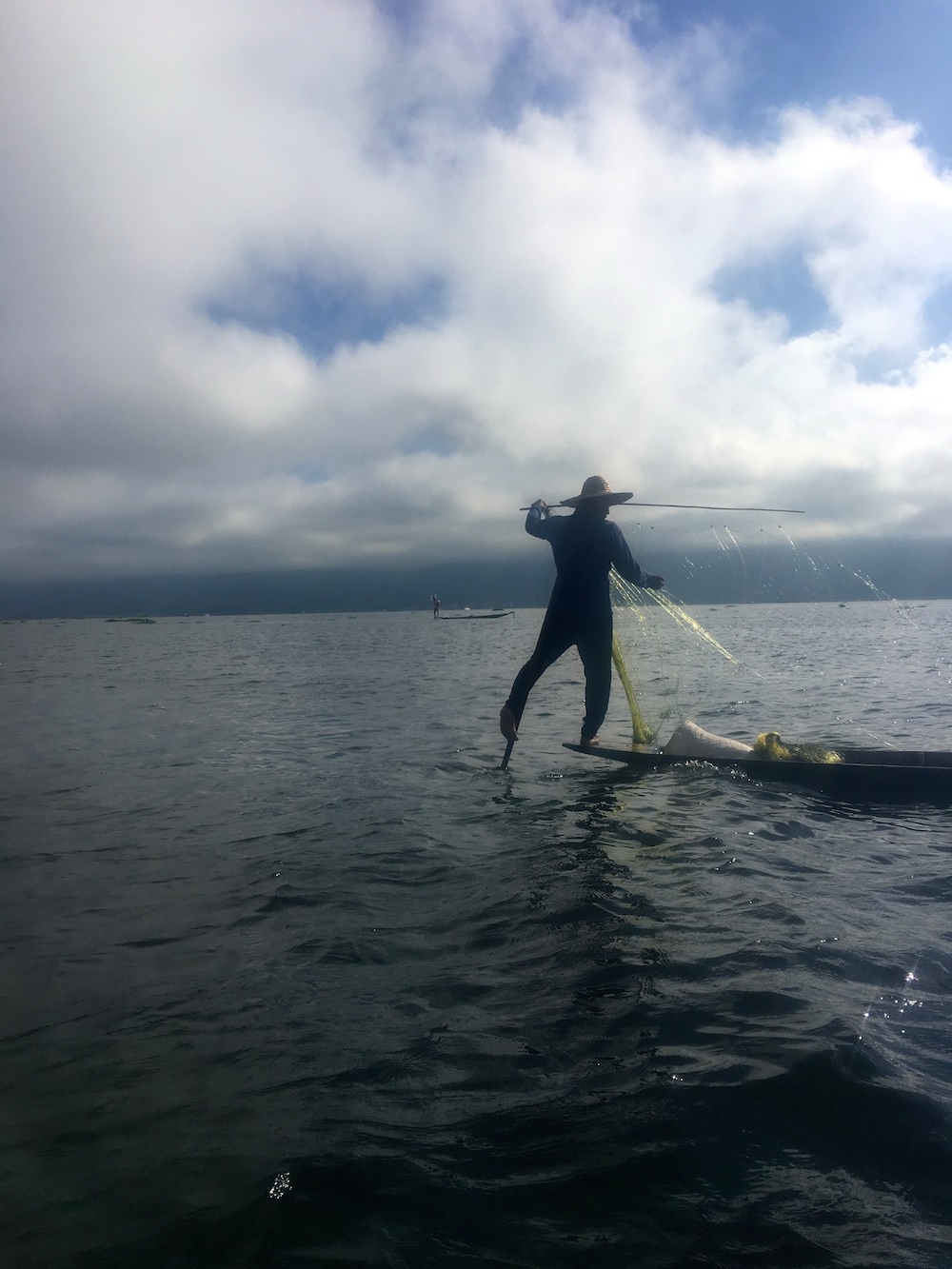
Inle Lake is known for fisherman who can row their flat bottom long boats using a leg while leaving their hands free to manage fishing nets.
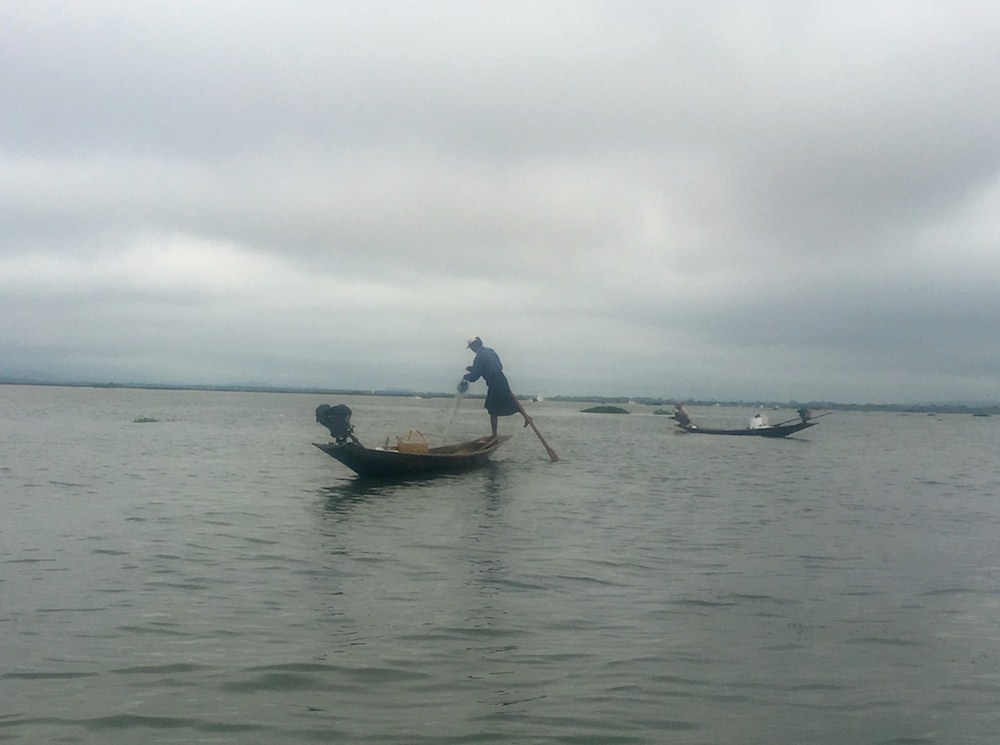
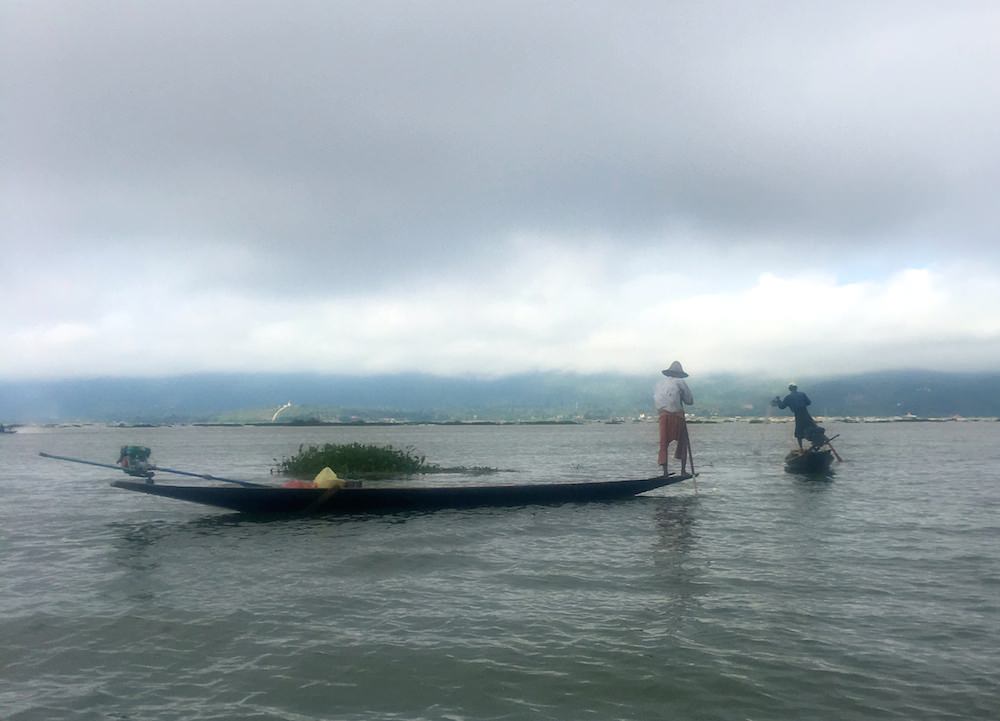
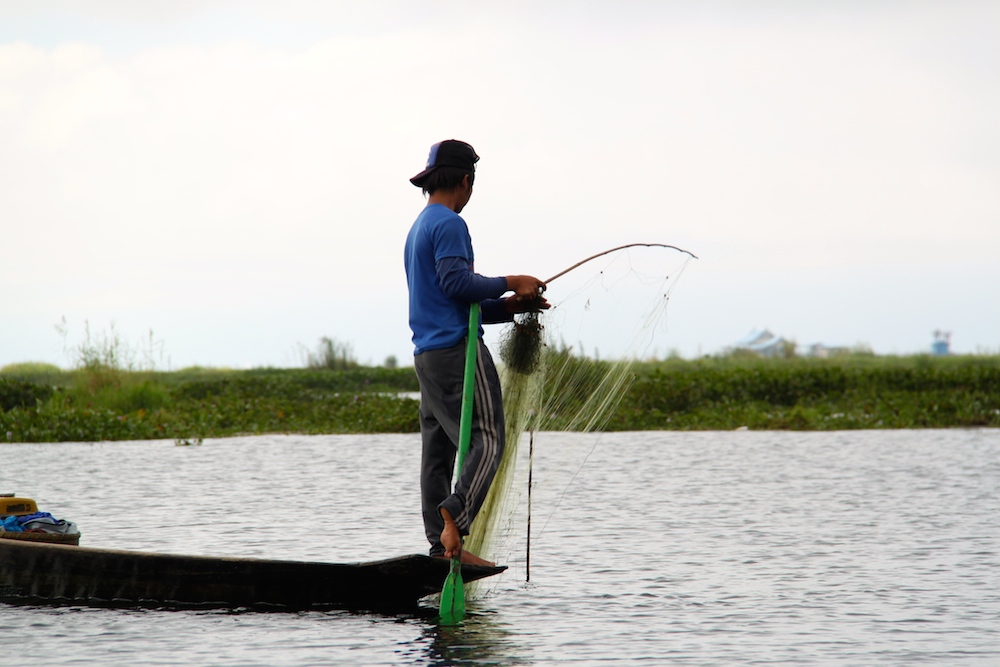

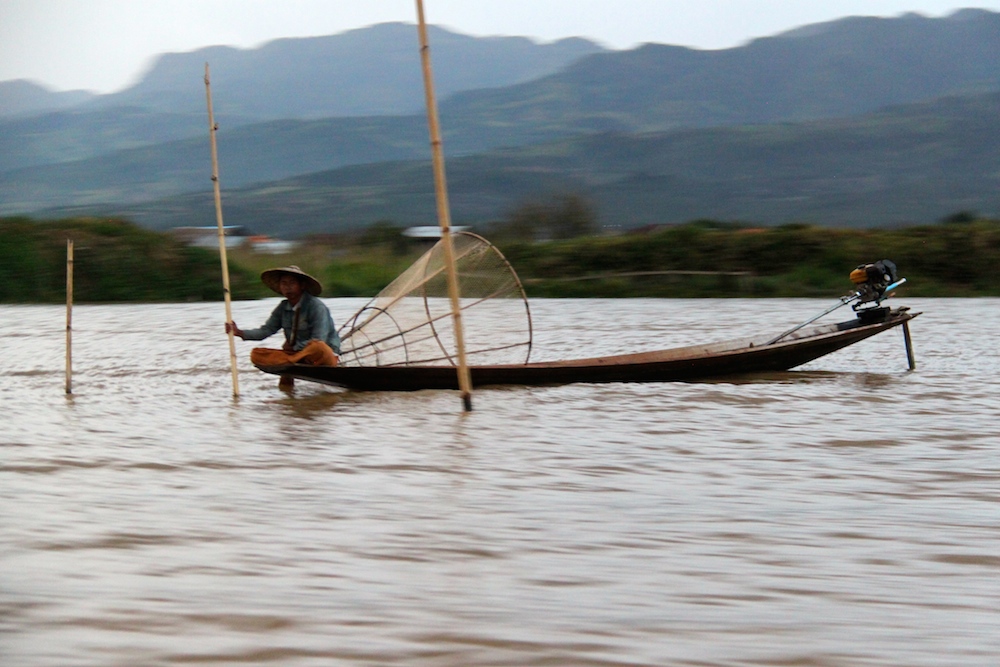
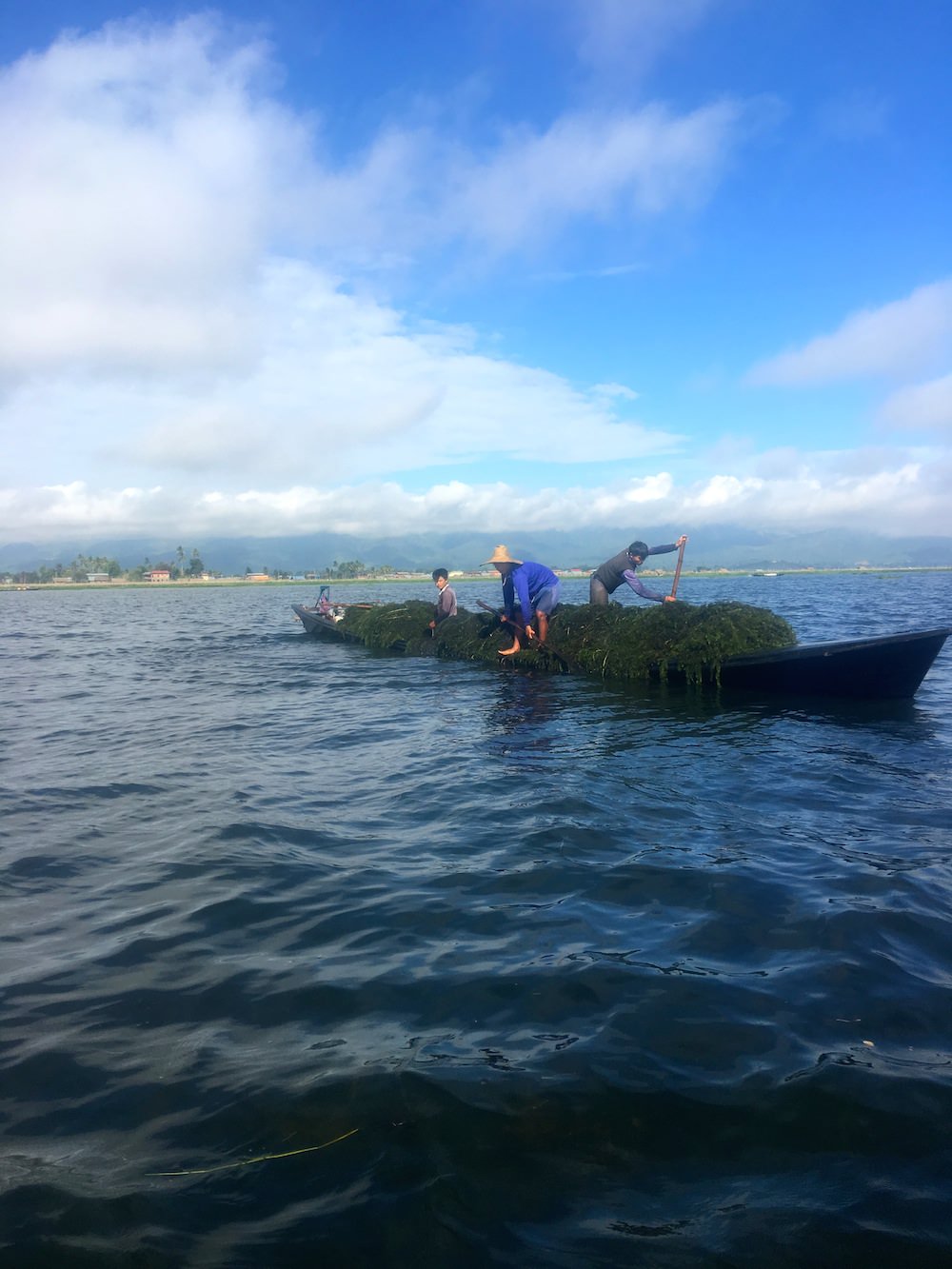
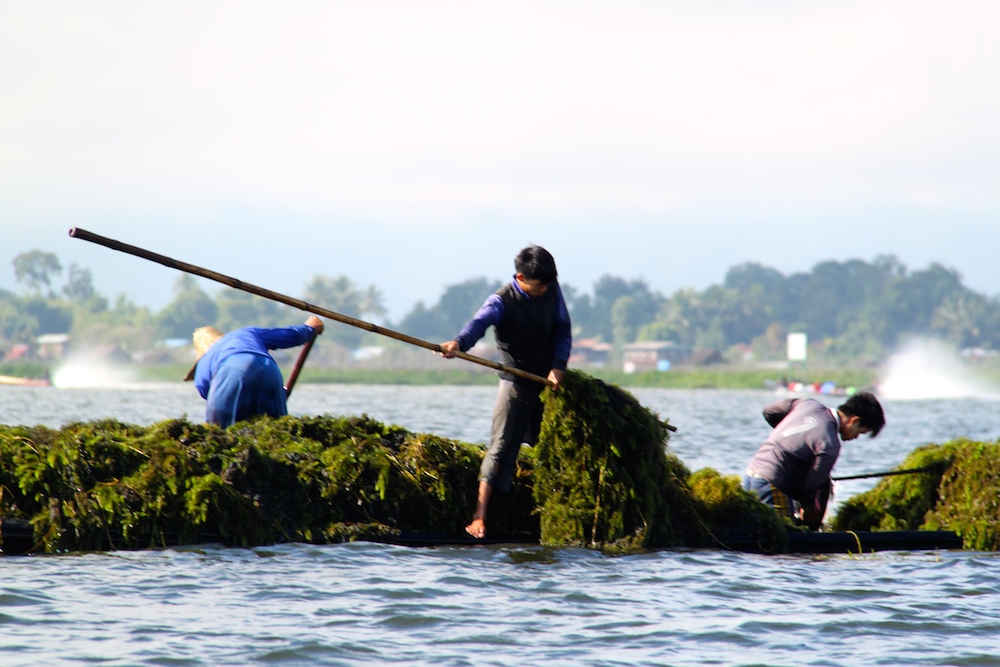
A technique we witnessed was three fisherman spreading out their nets on one side of their boats and then simultaneously slamming their oars on the top of the water on the other side of their boats and scarring the fish into their nets.
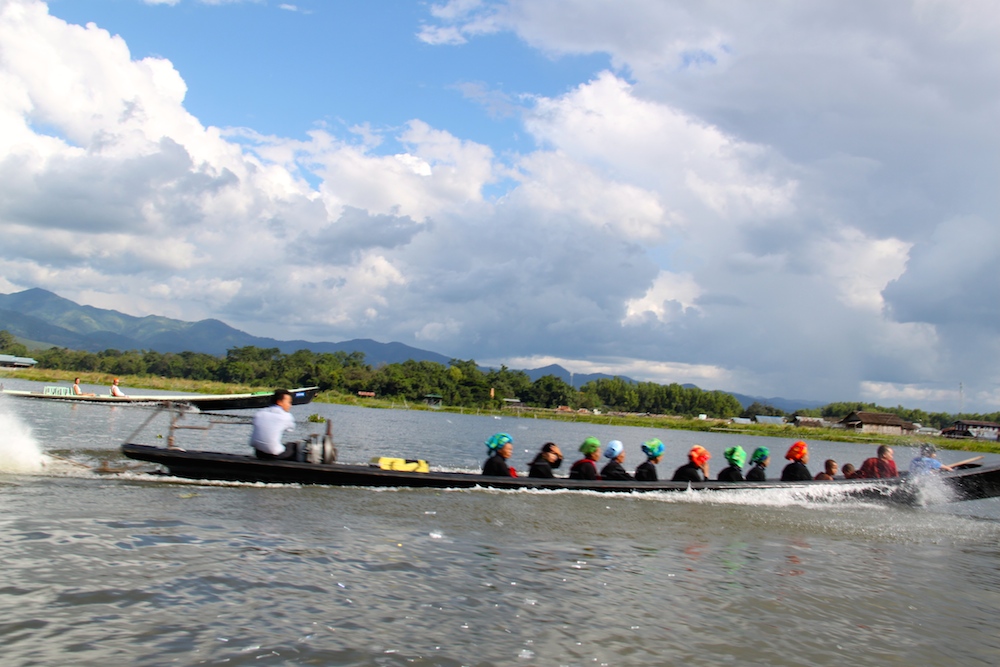
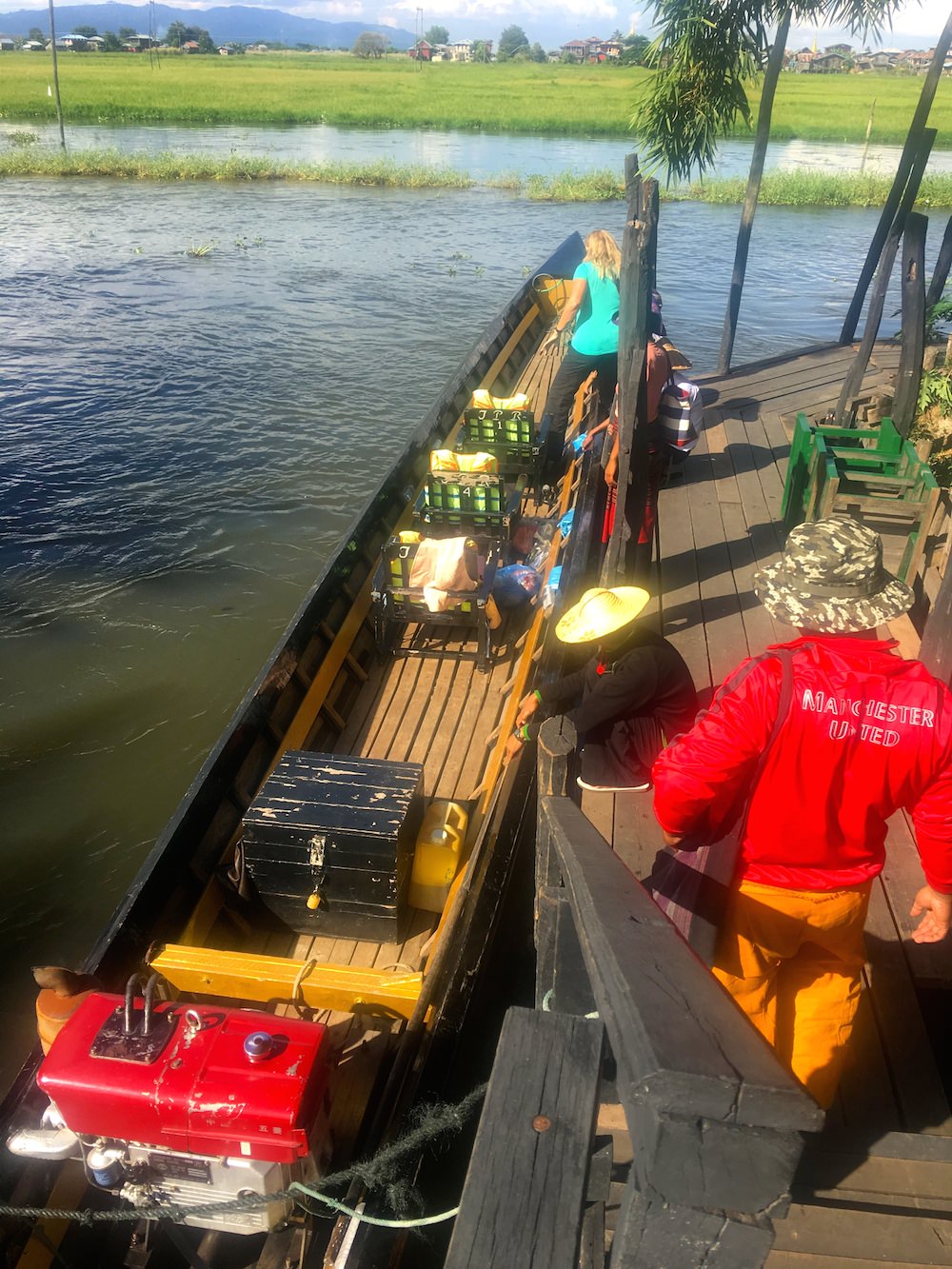
We spent a full day traveling the lake with our guide Kim Kim in a motorboat called a Long Tail Boat. Kim Kim was a 31-year-old very intelligent local girl who spoke very good English.
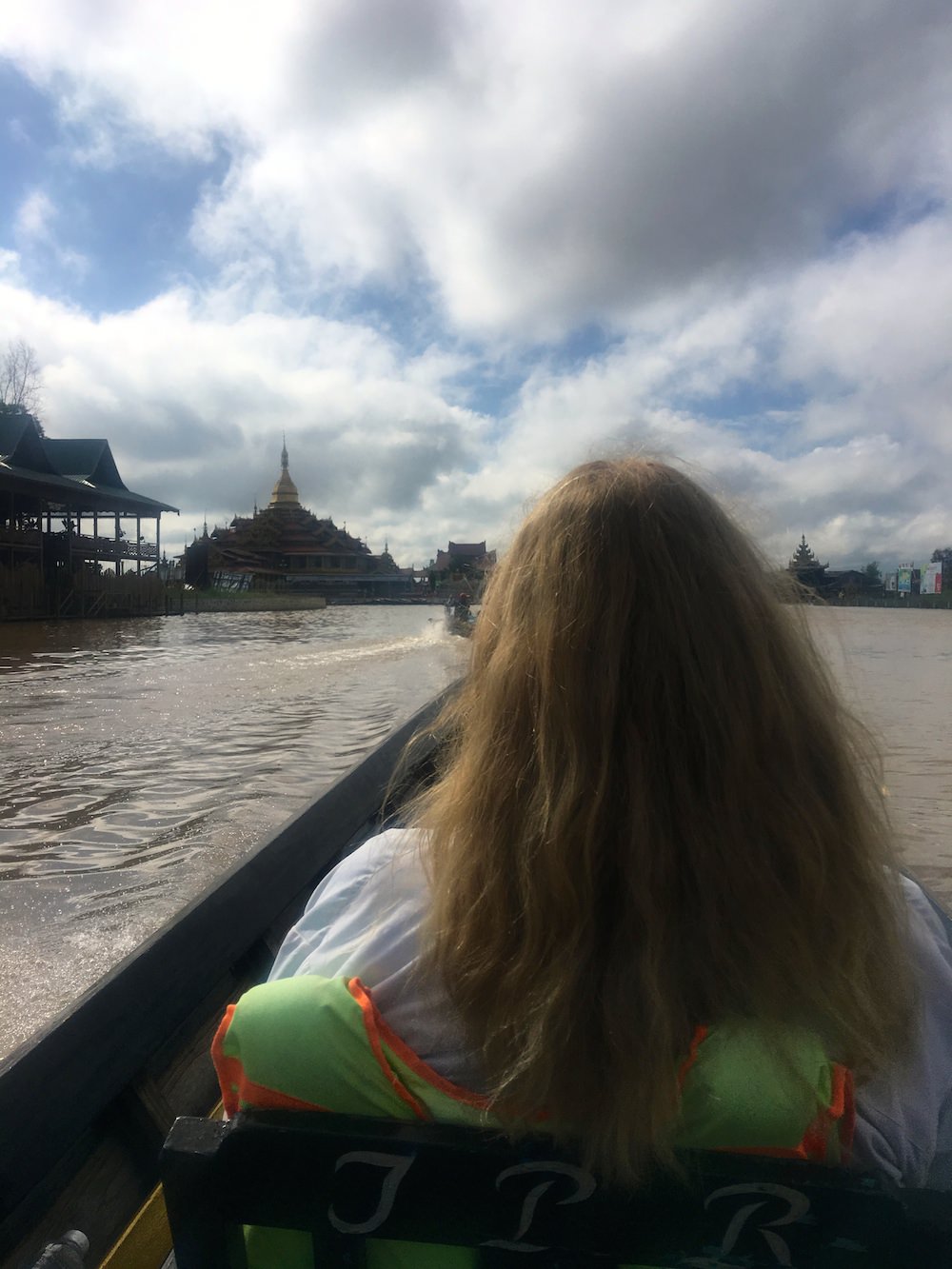
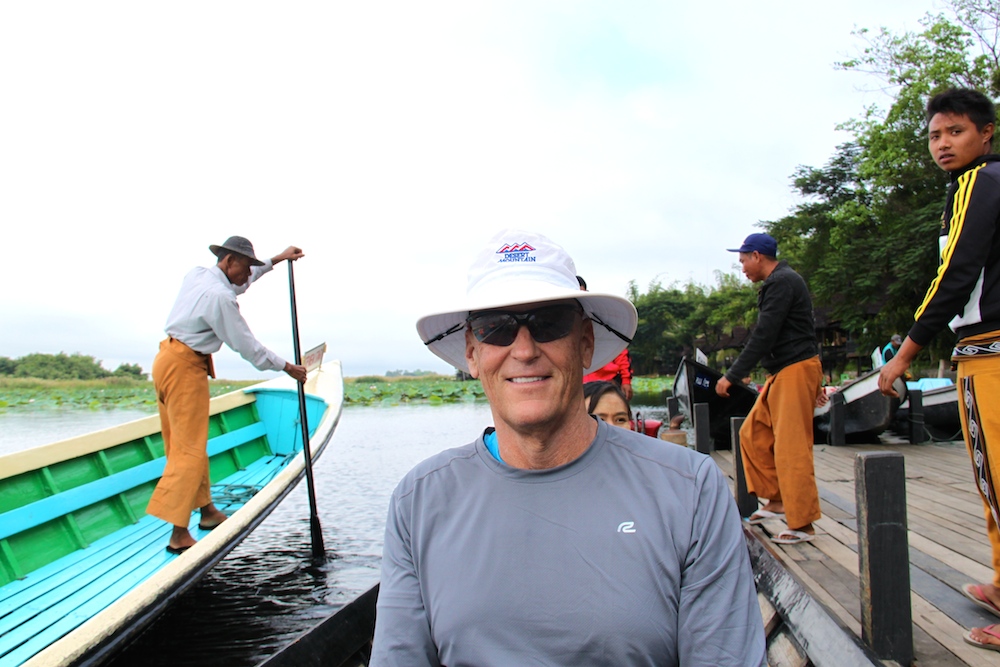
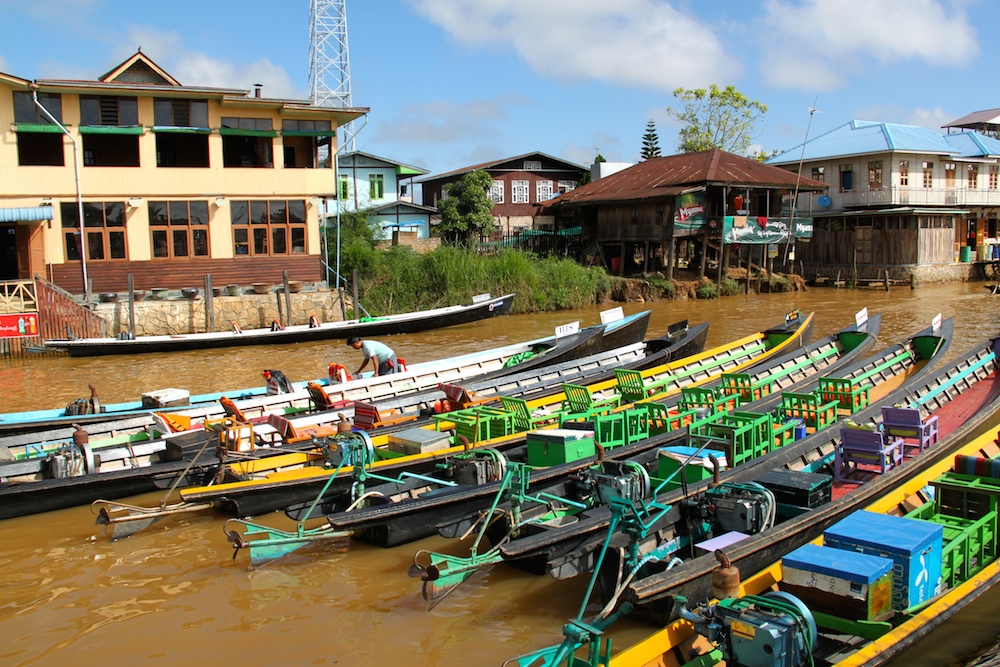
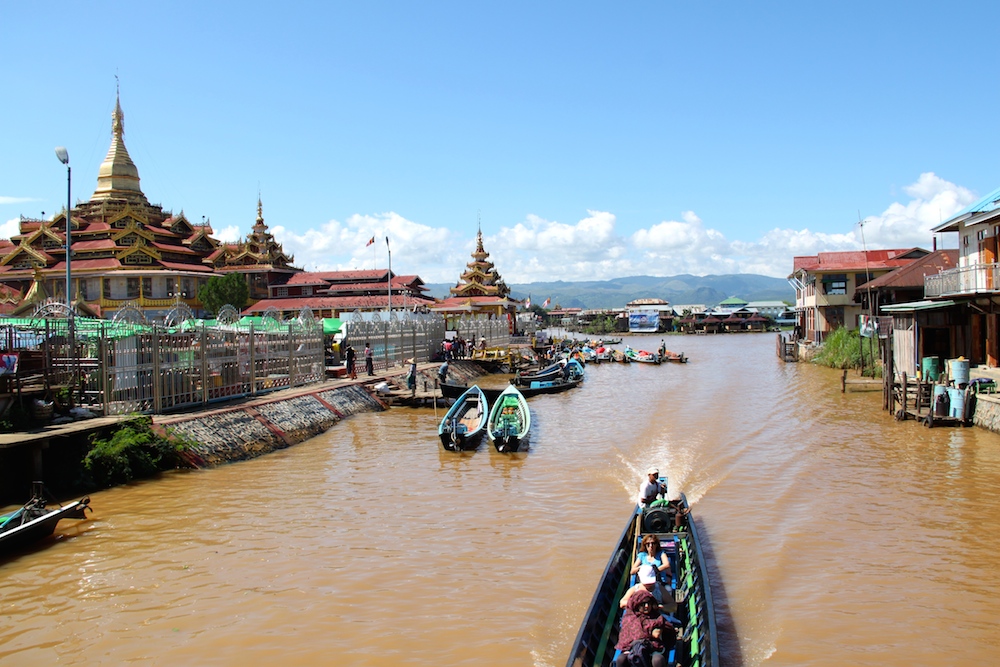
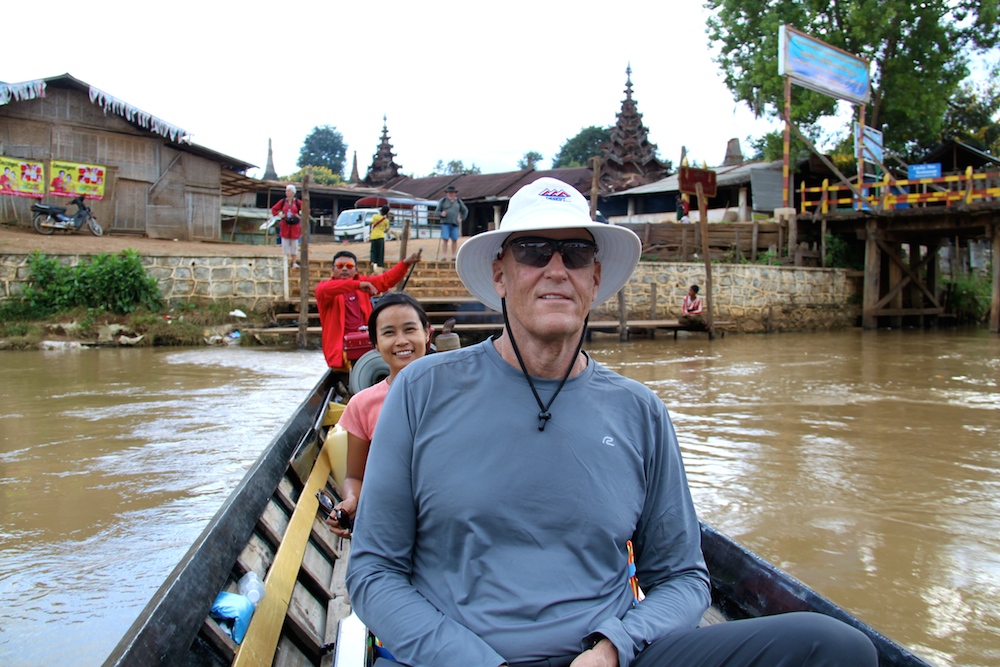

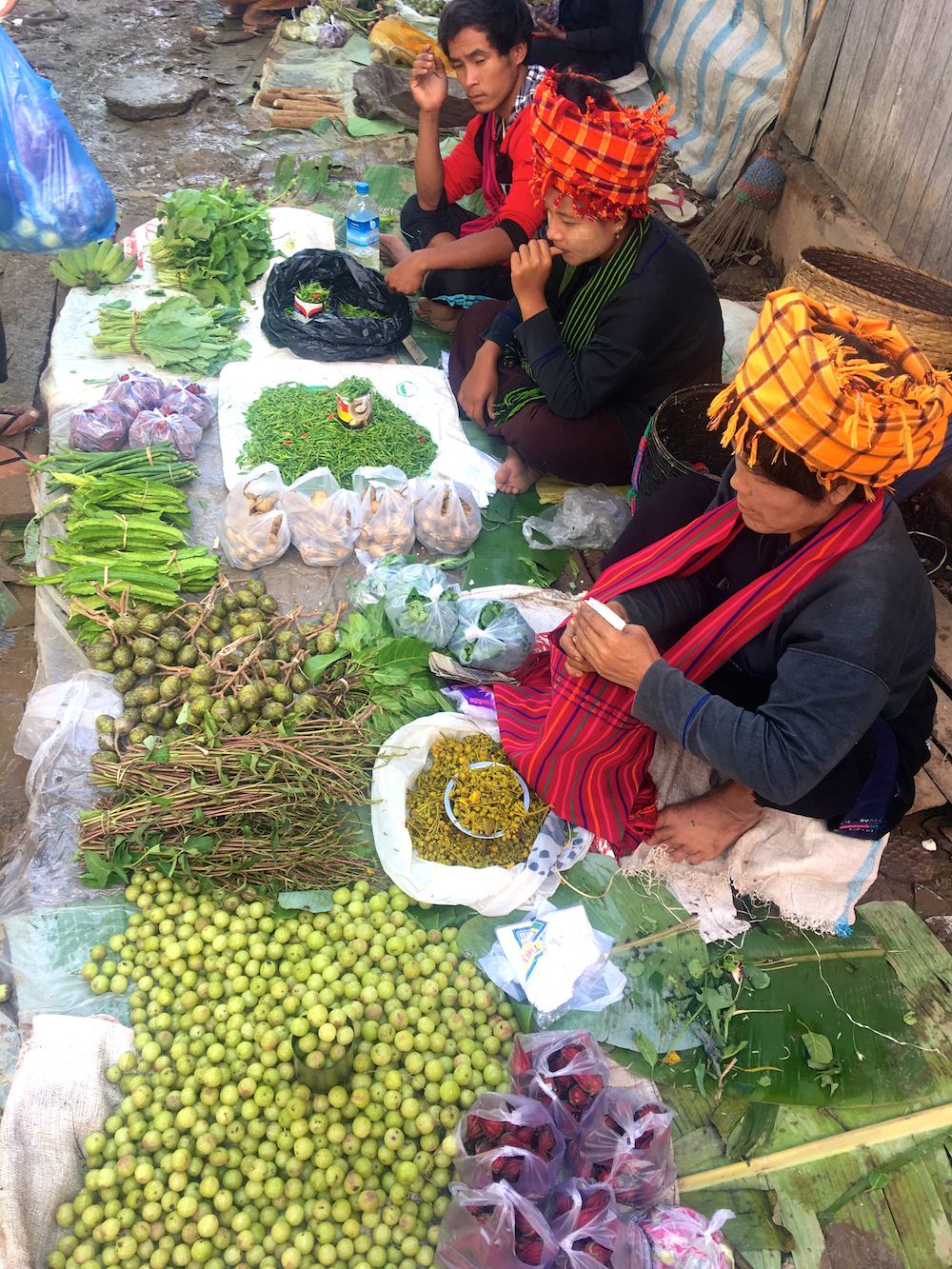
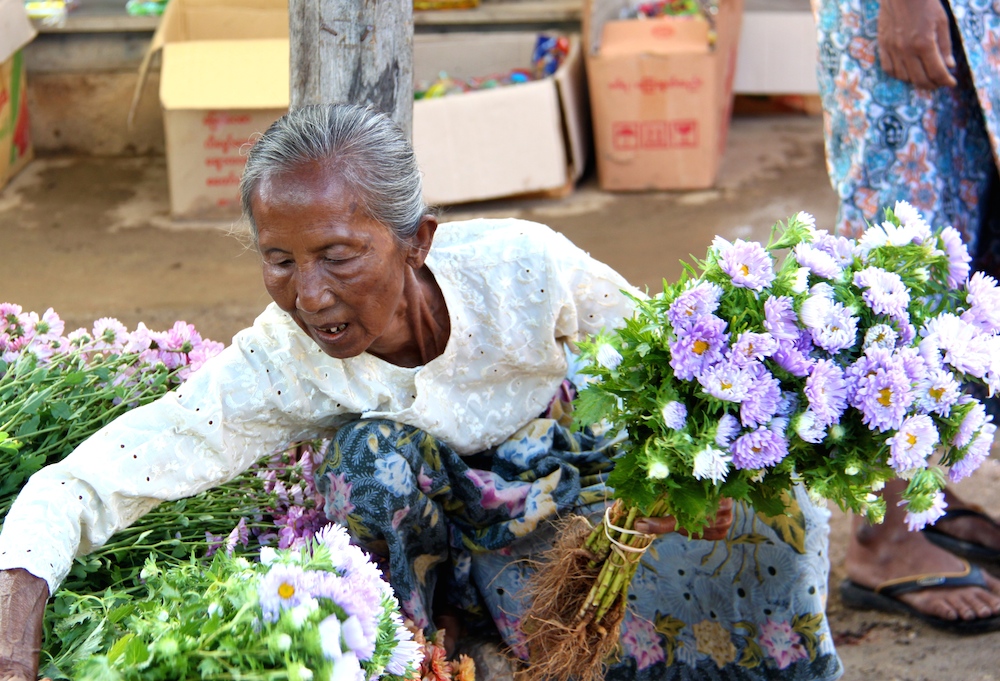
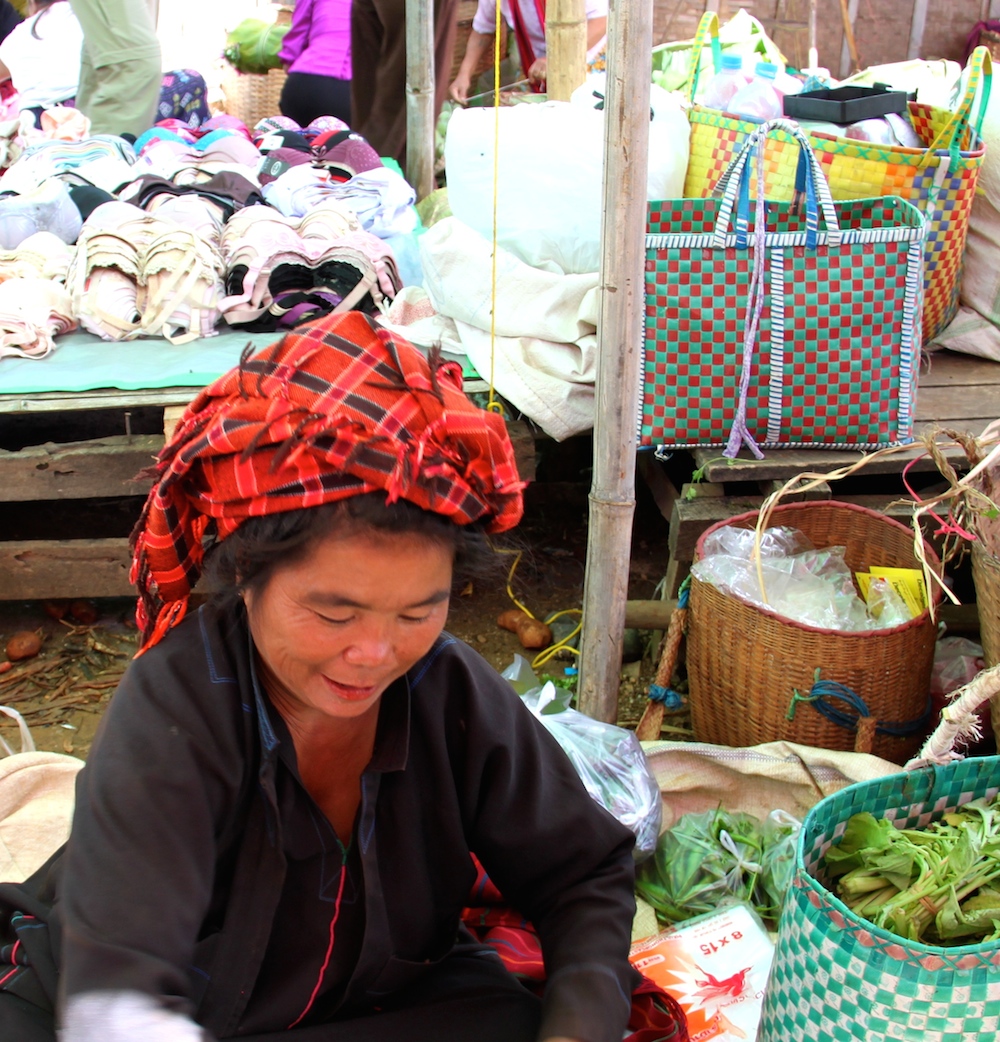
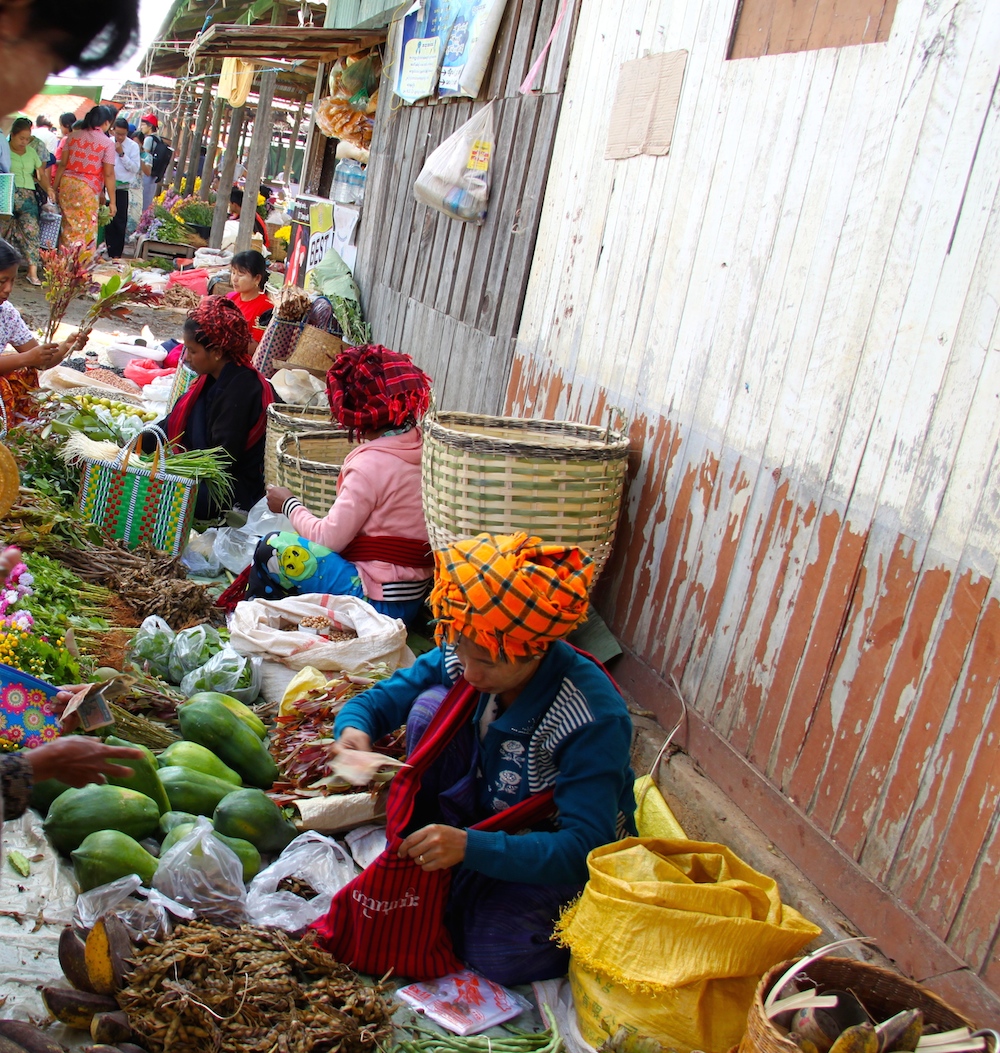
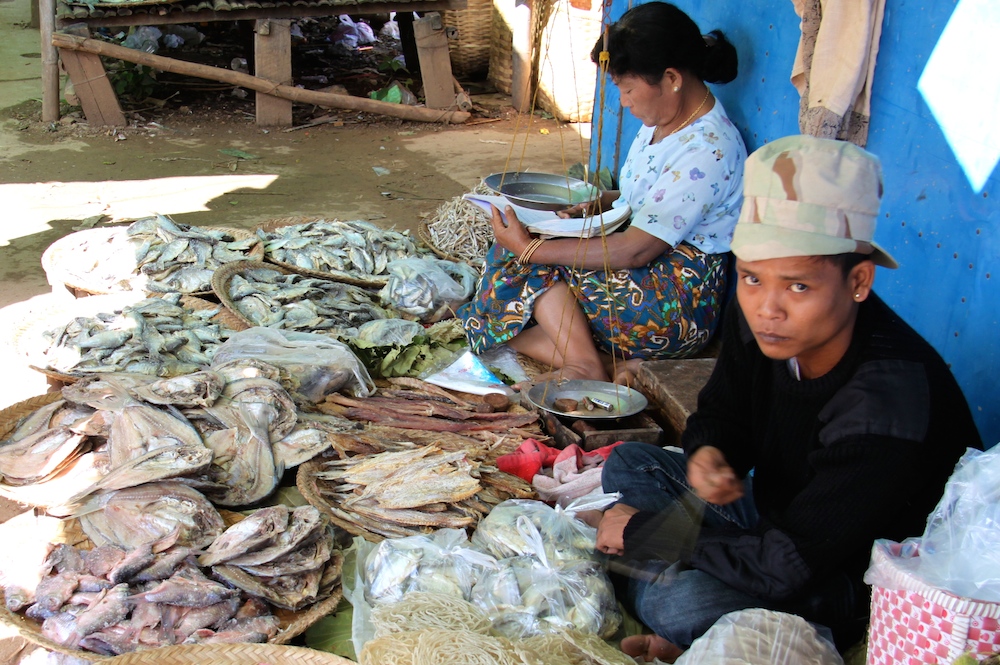
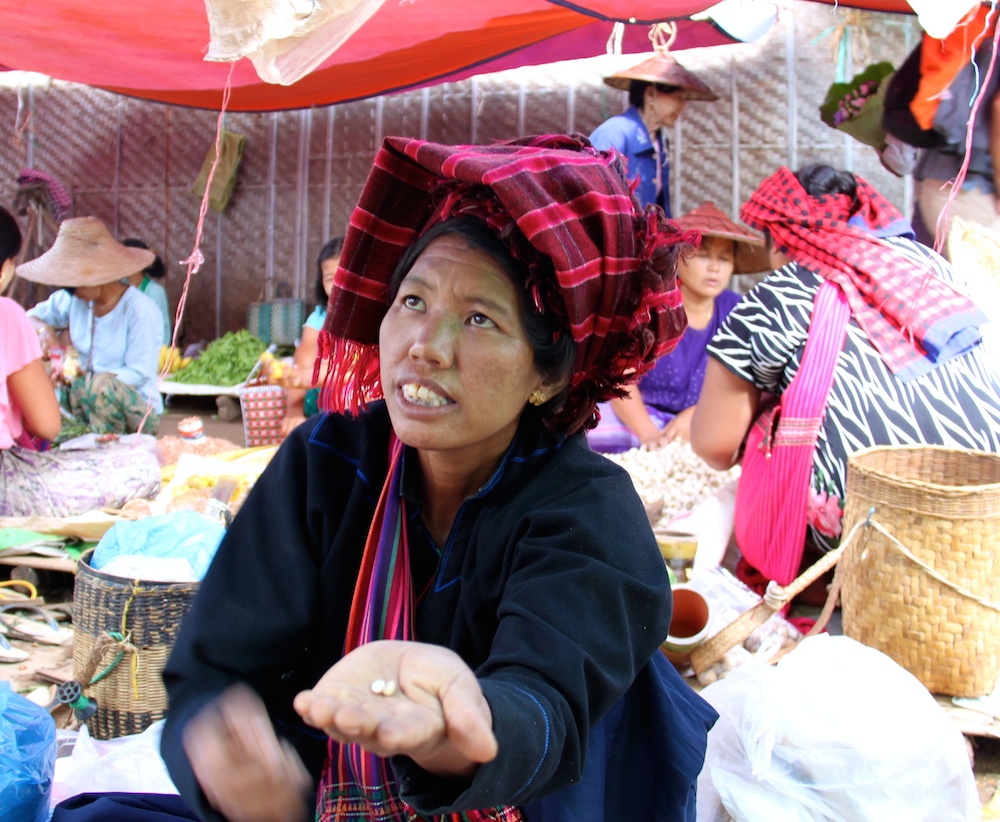
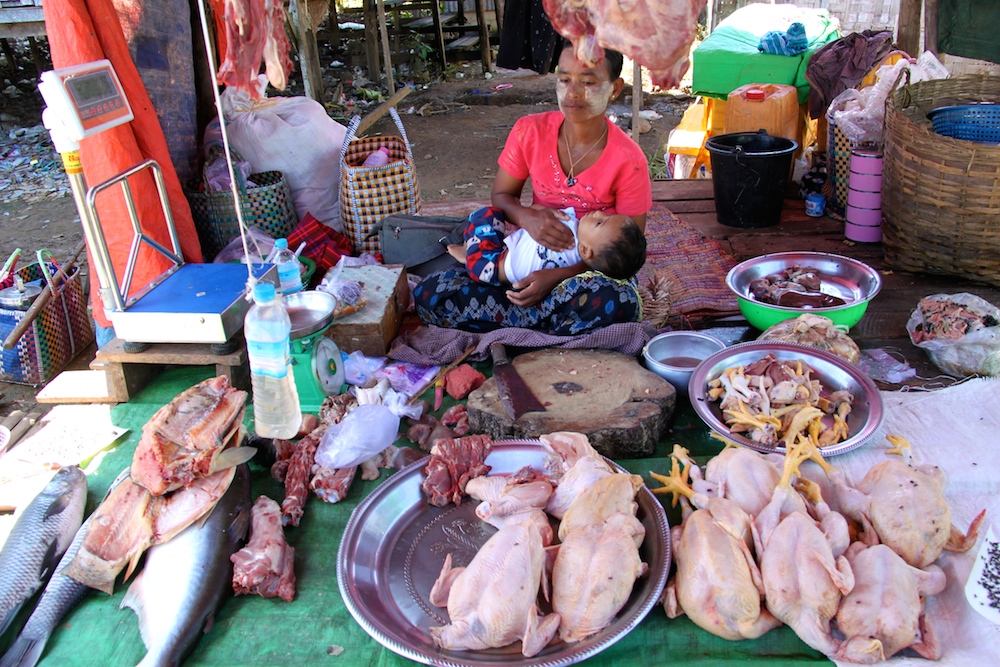
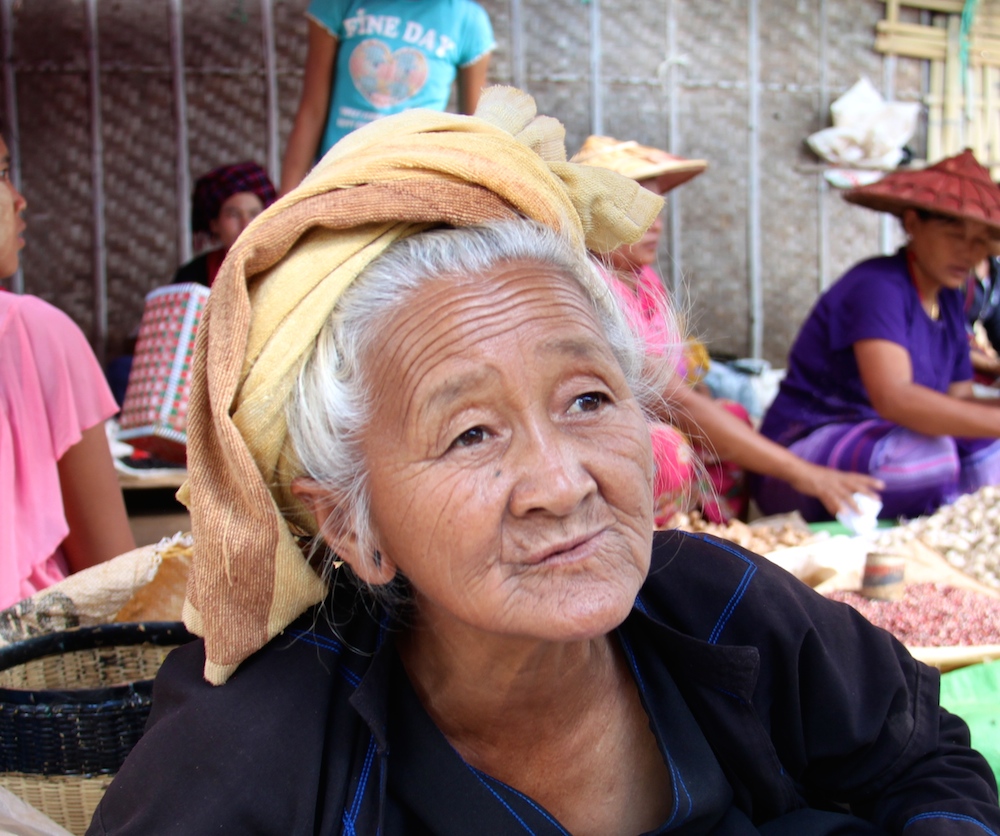
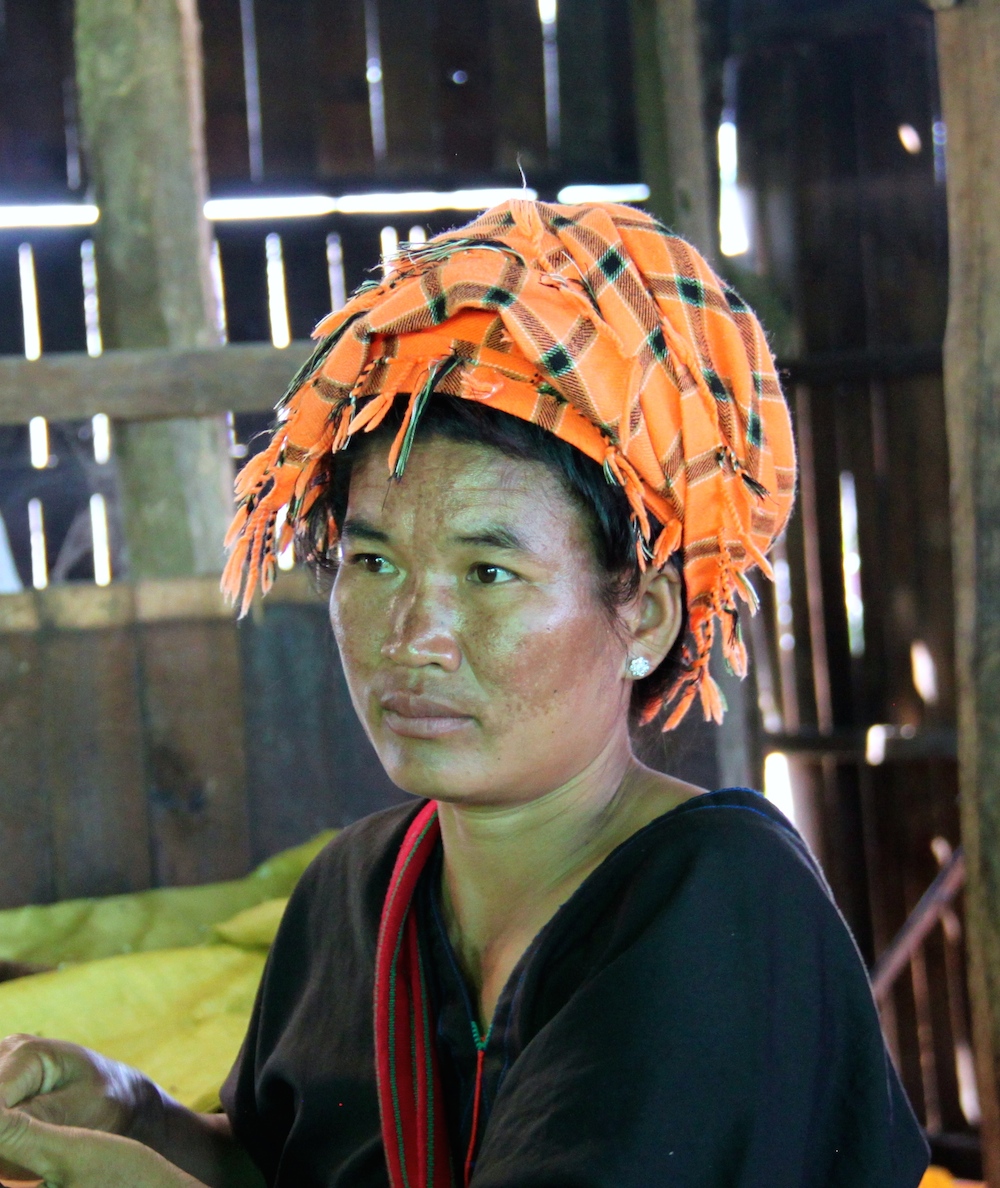
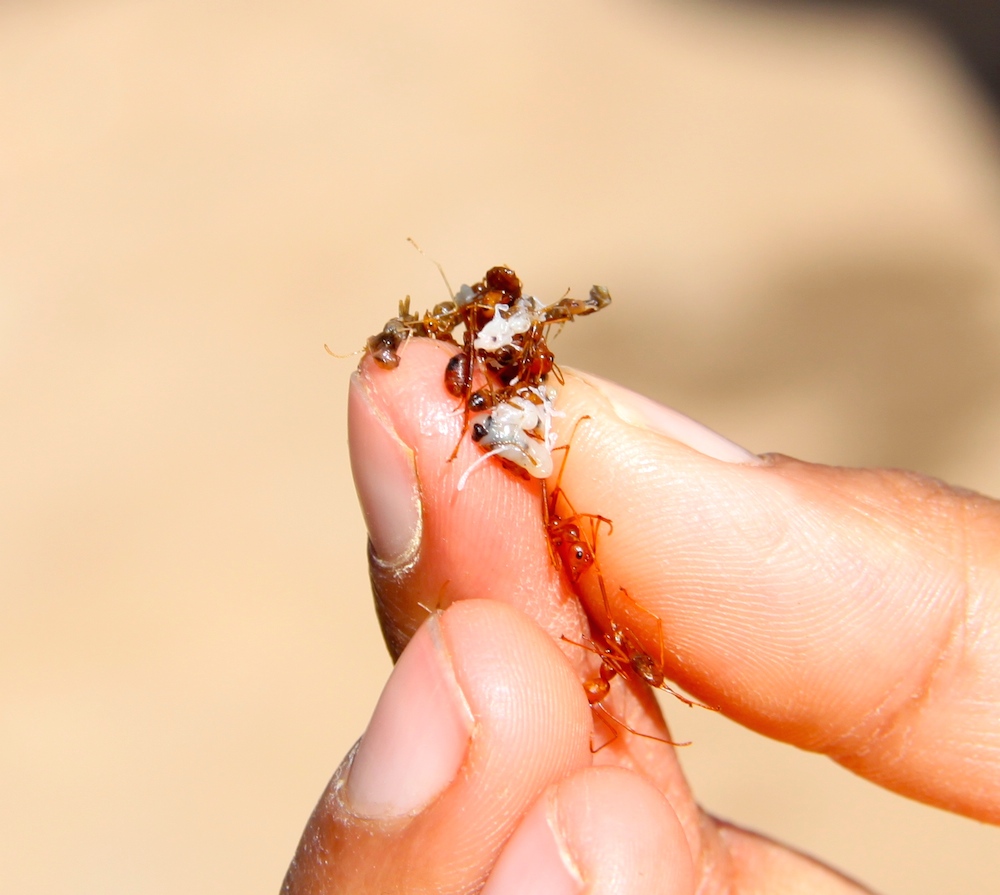
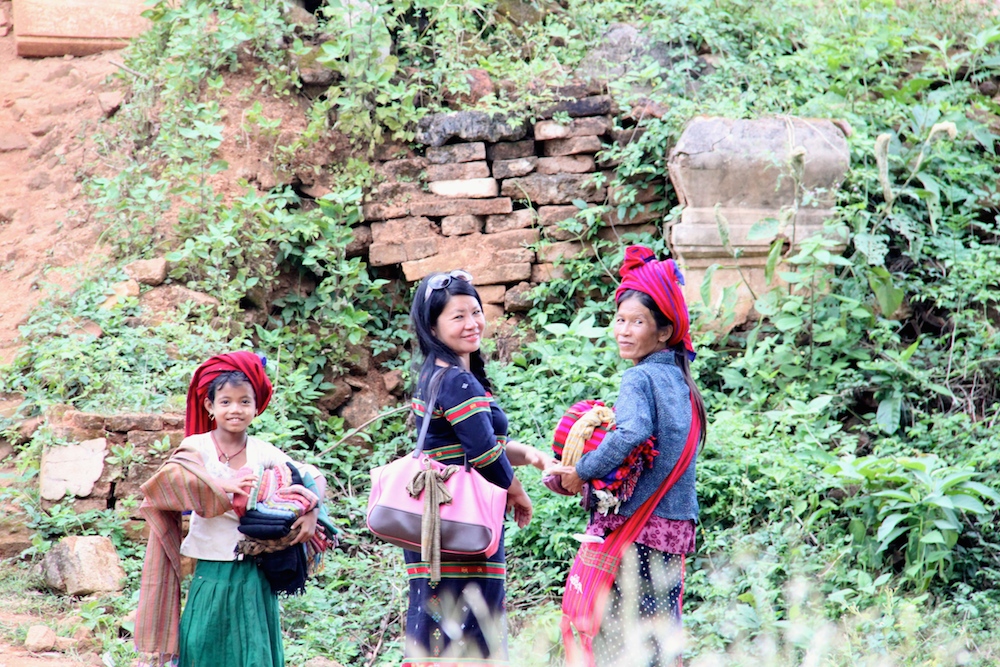
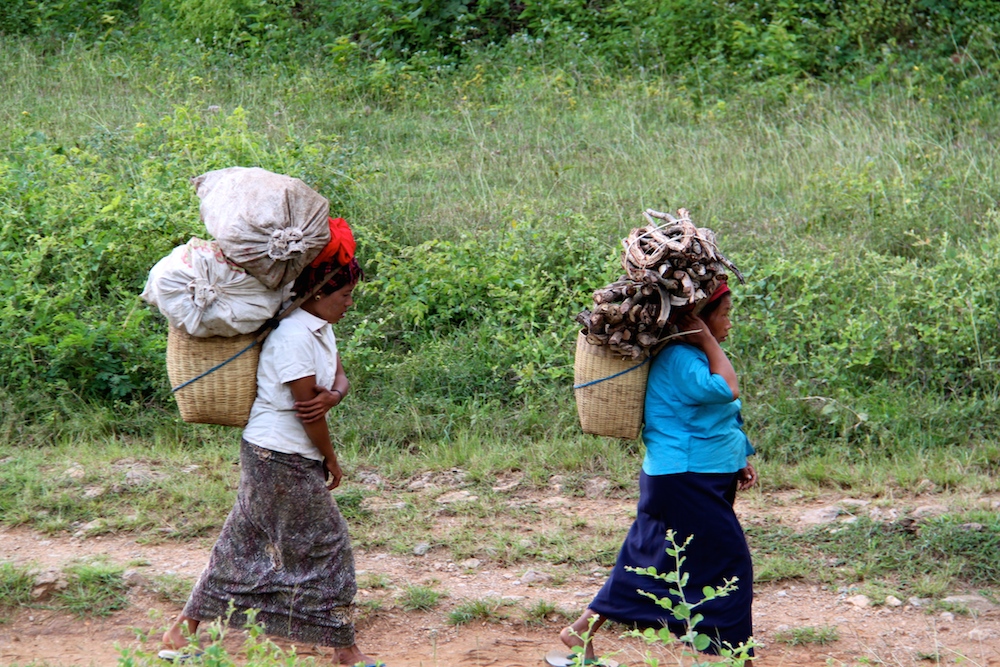
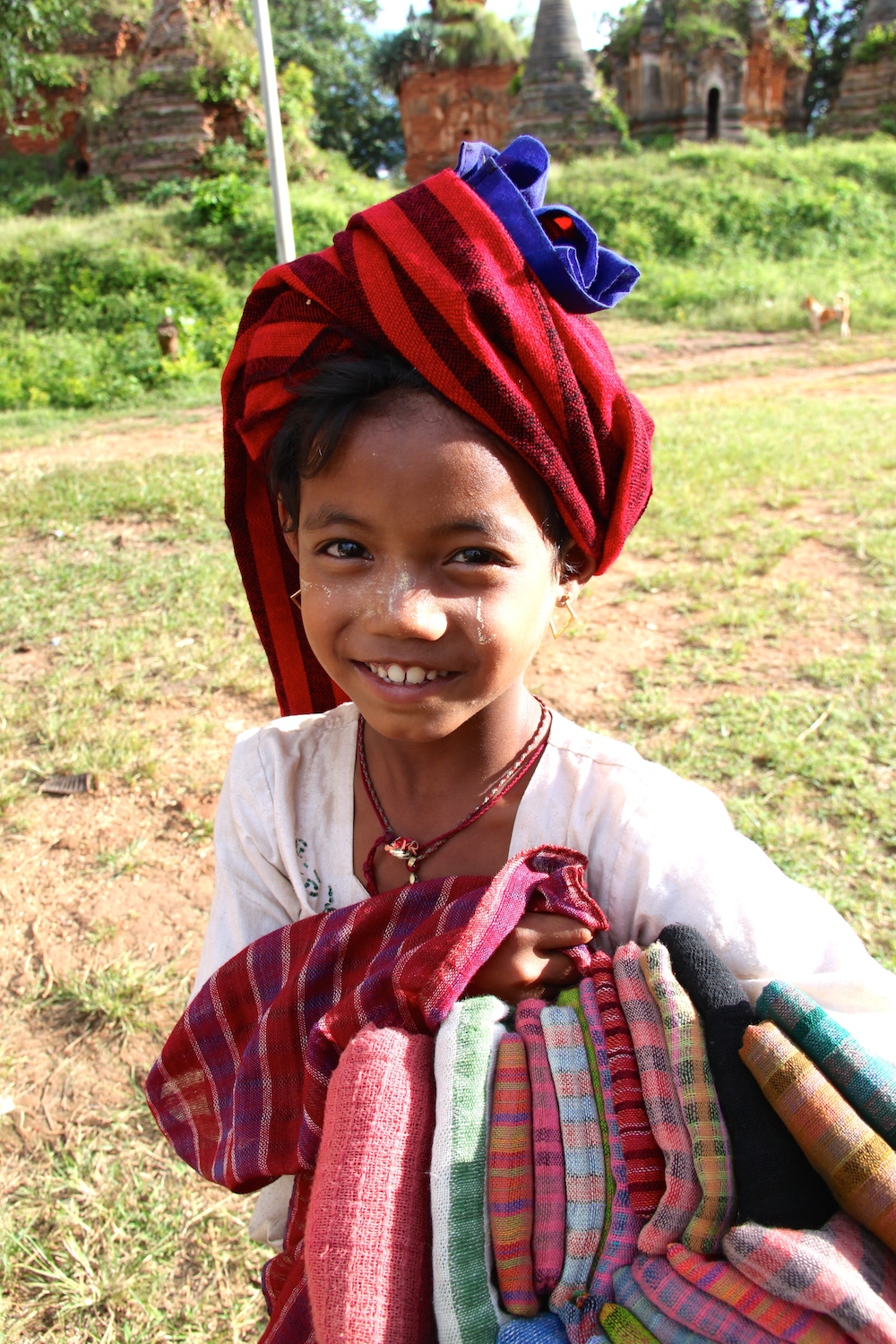
We traveled about an hour and first visited the local market at Phaung Daw Oo where we saw fresh vegetables and spices, fish, eels, ants, MSG, spices and other strange things. The market travels around the lake on different days. The people who sell at the market are from the hill country and all wear head scarves. It is part of their local custom. It was fun to see Kim Kim do her shopping along the way. She stopped and bought a quick bite to eat.
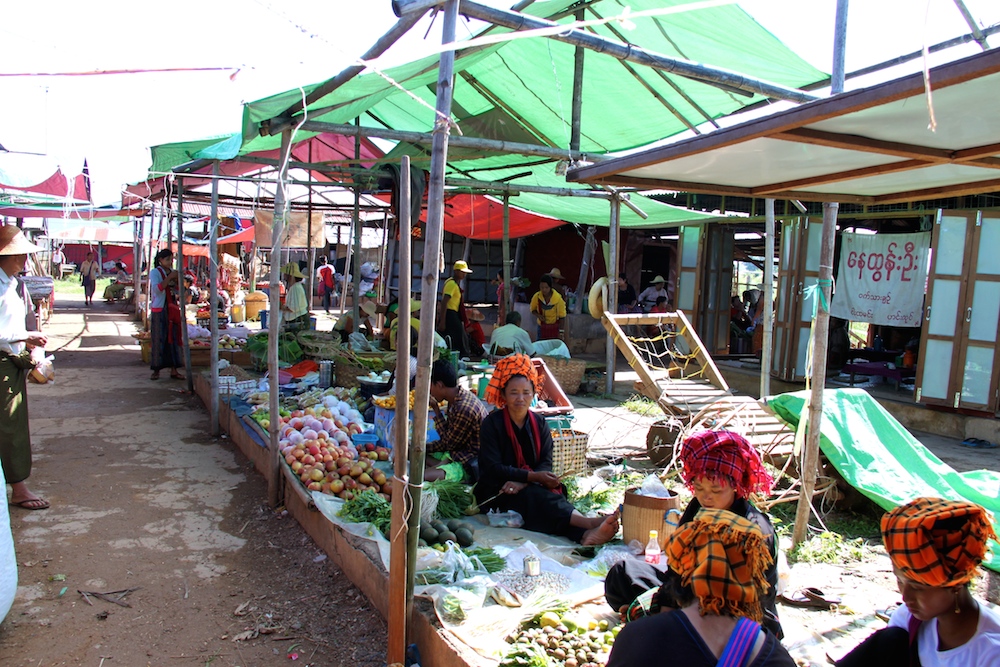
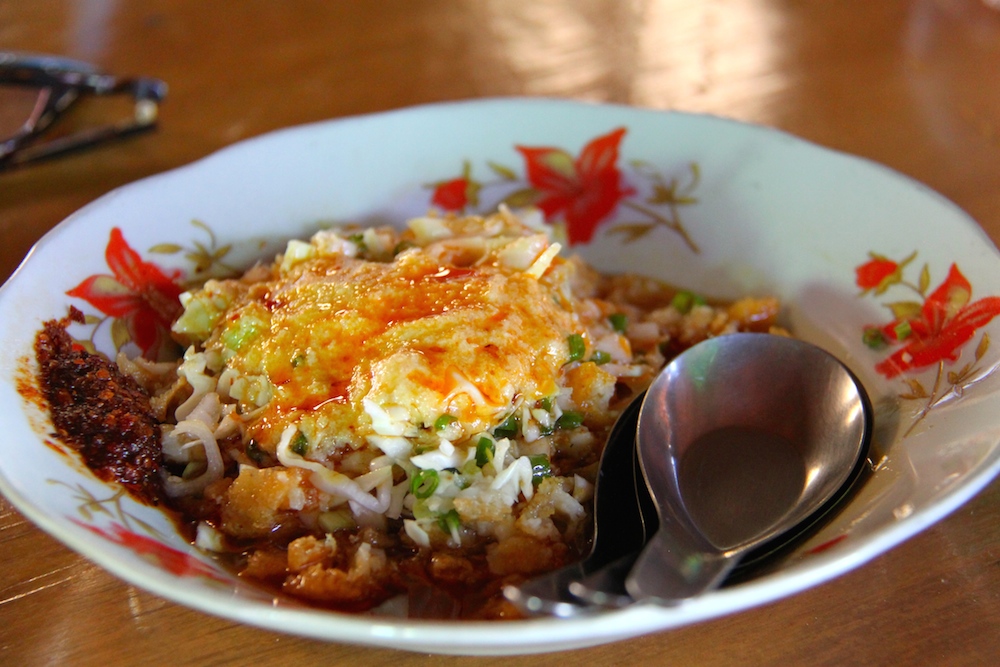
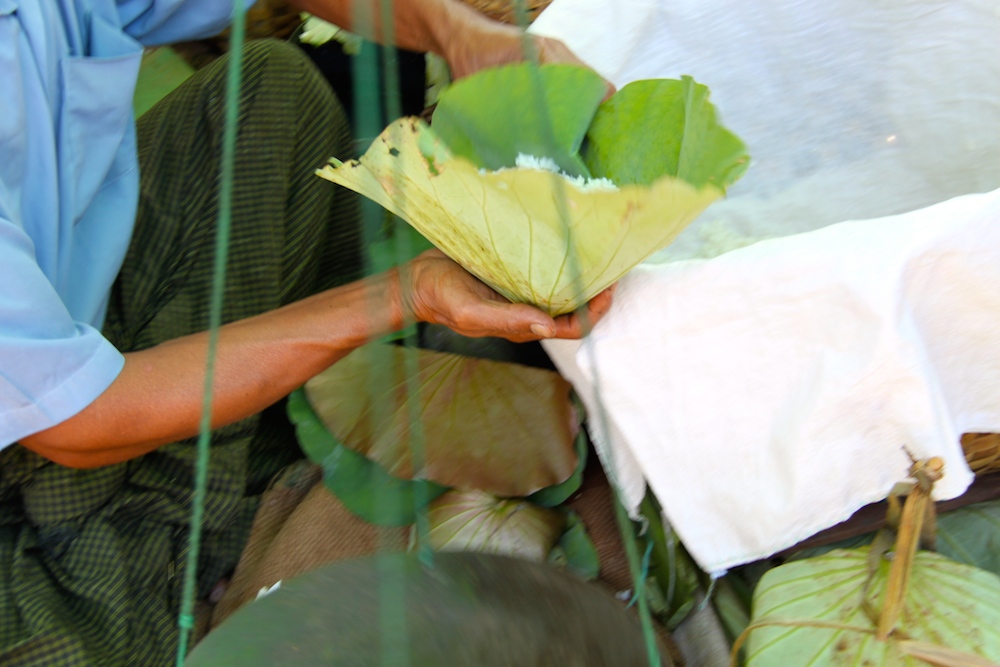
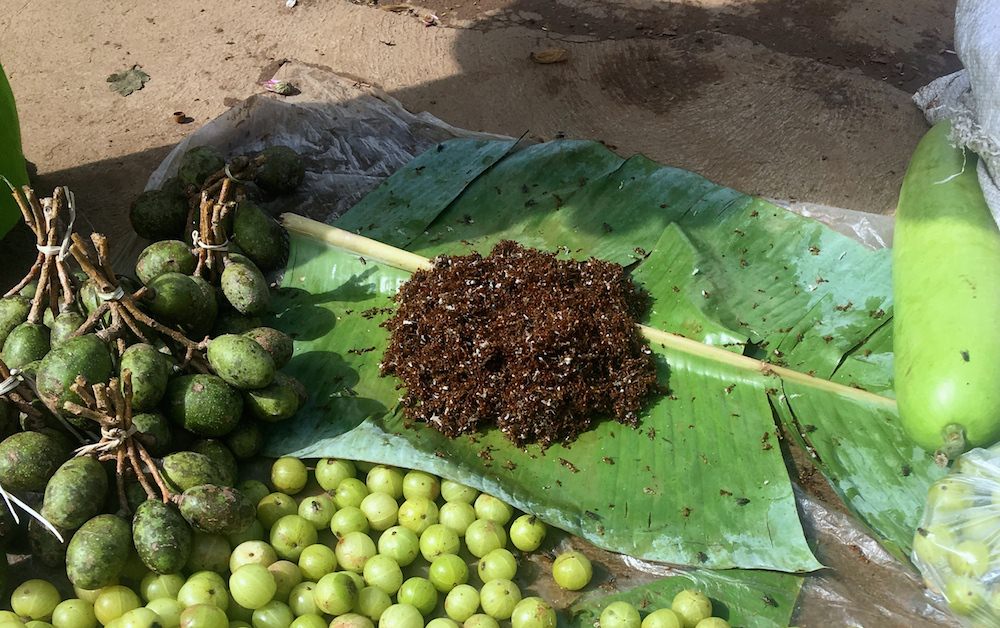
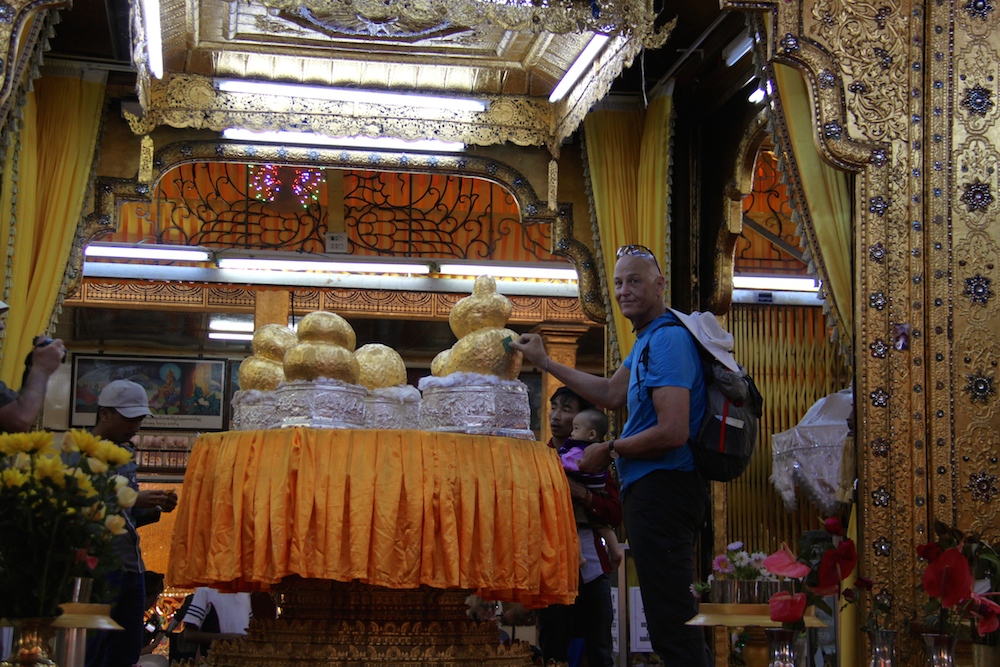
We then visited the Phaung Daw Oo Temple and Kim Kim gave three gold leaves to Scott to rub onto the Buddha. Only men were allowed up close to the Buddha. In other areas in Myanmar both men and women are allowed close to the Buddhas.
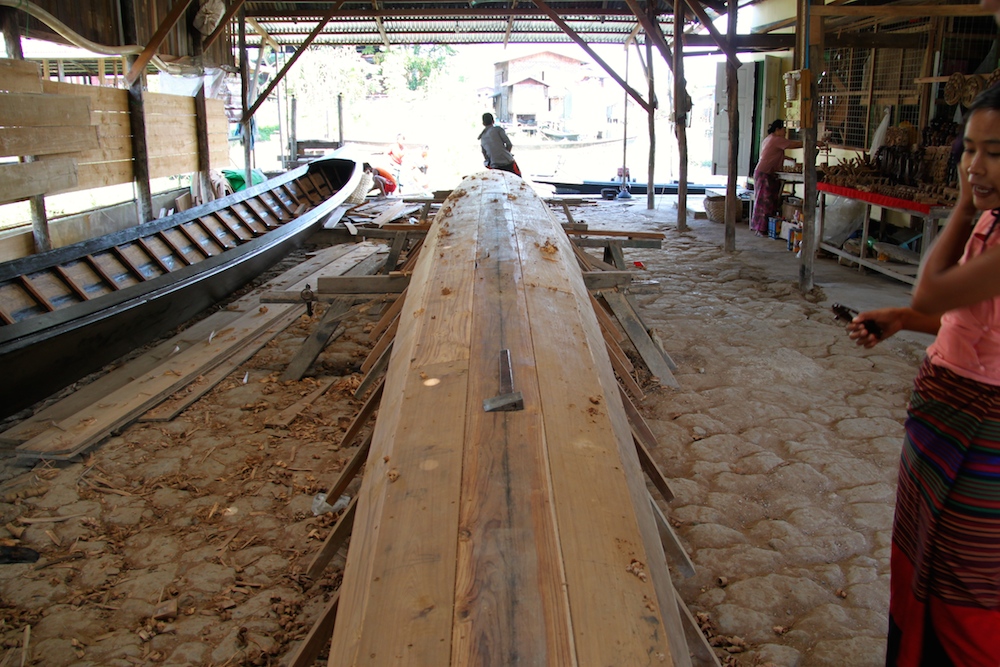
Nam Pan boat makers showed us how they make Long Tail Boats by hand out of teak wood. The cost of the finished boat is about $900 US. The smaller skiffs used by the fisherman cost about $700 US.
Kayla Floating Gardens are kept above water by bamboo poles, which support the vegetables.

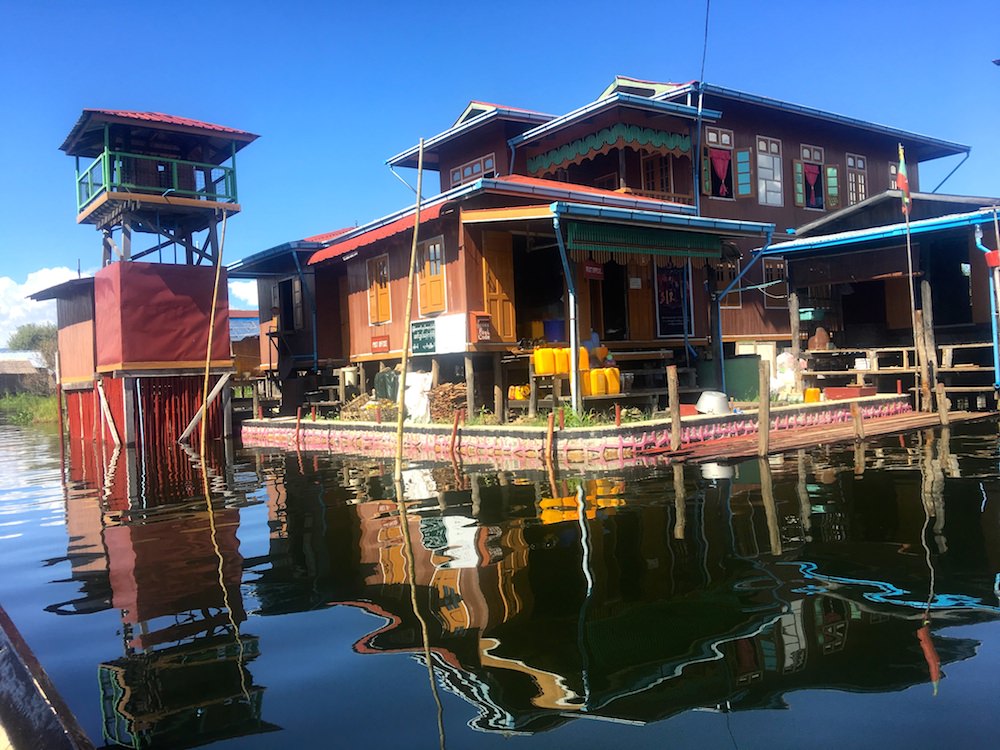
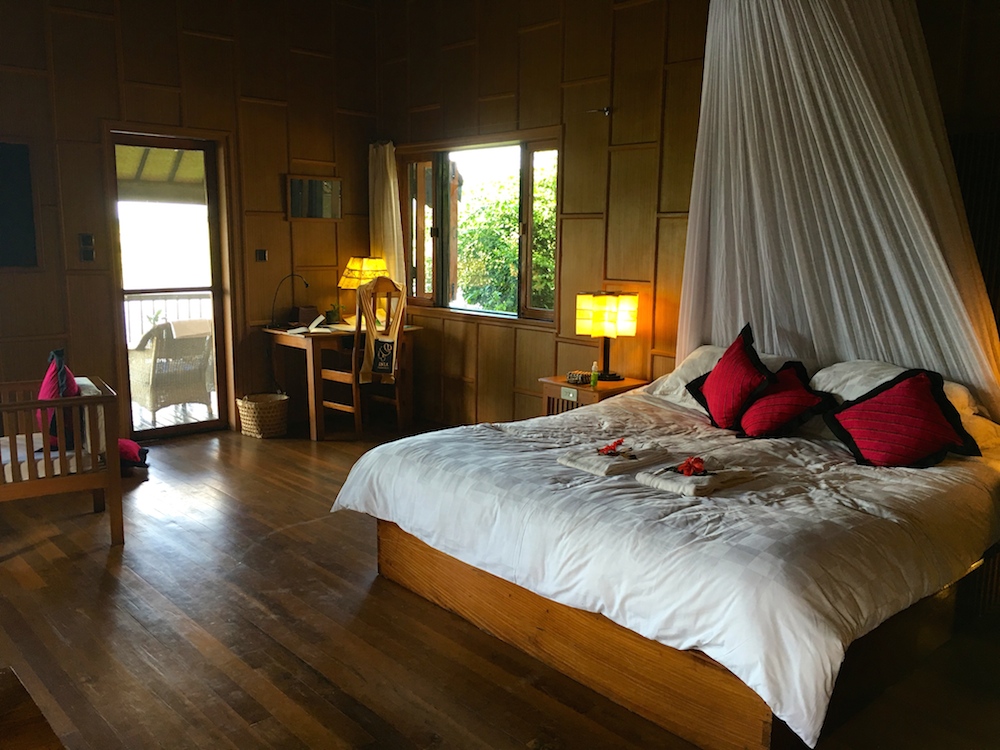
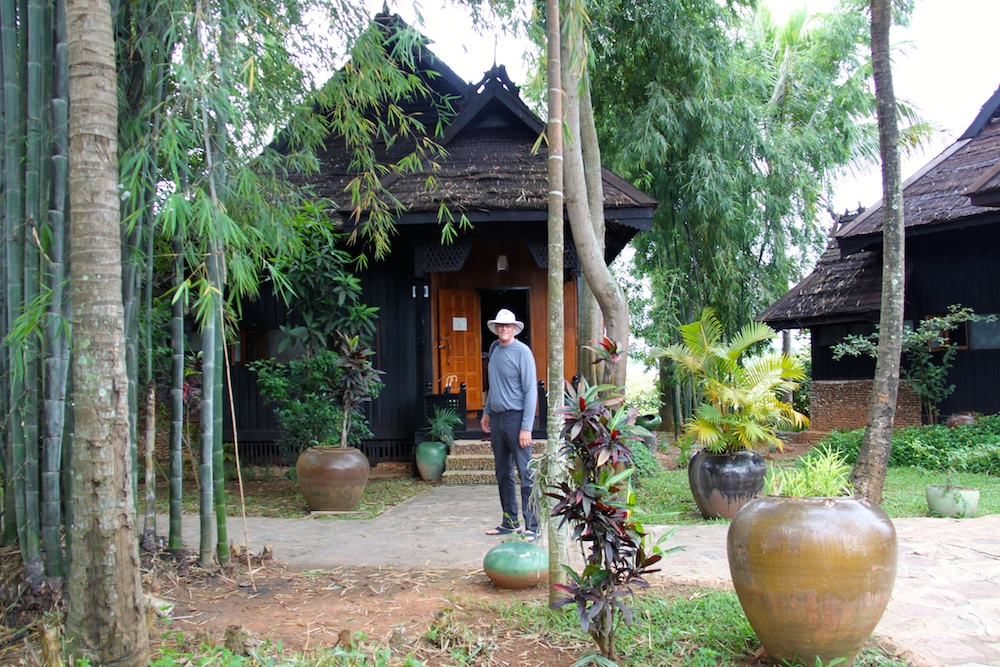
Our Inle Princess Hotel is directly on the Lake, and is next to at least two Buddhist Monasteries. The problem with being too close to the monasteries is that when they get large donations they play loud happy twangy music from 4 am until 9:30 pm and it is difficult to sleep. The hotel provides earplugs but all guests are complaining.
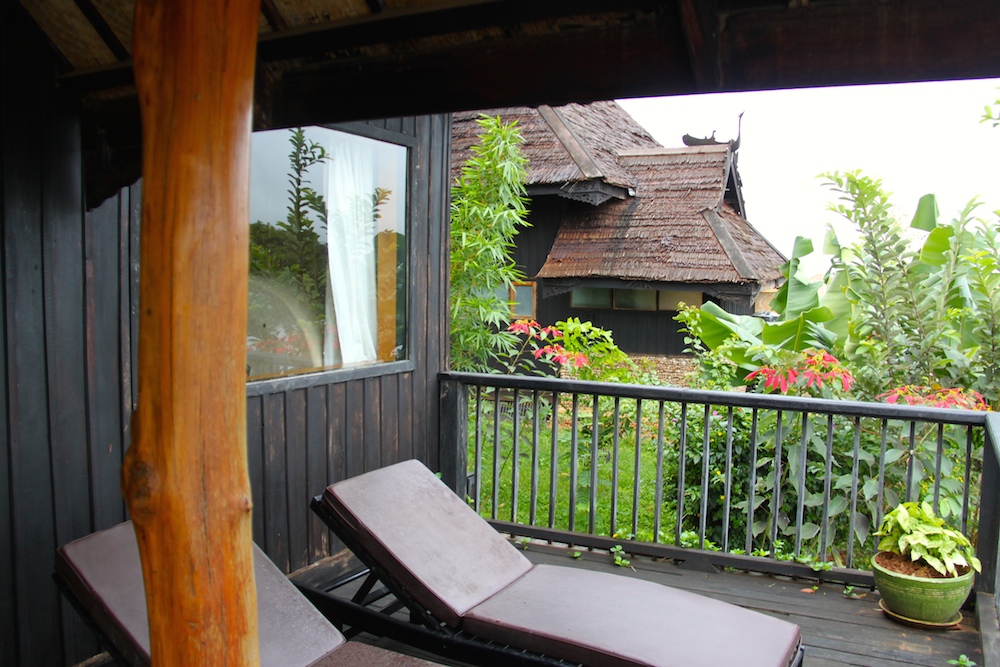
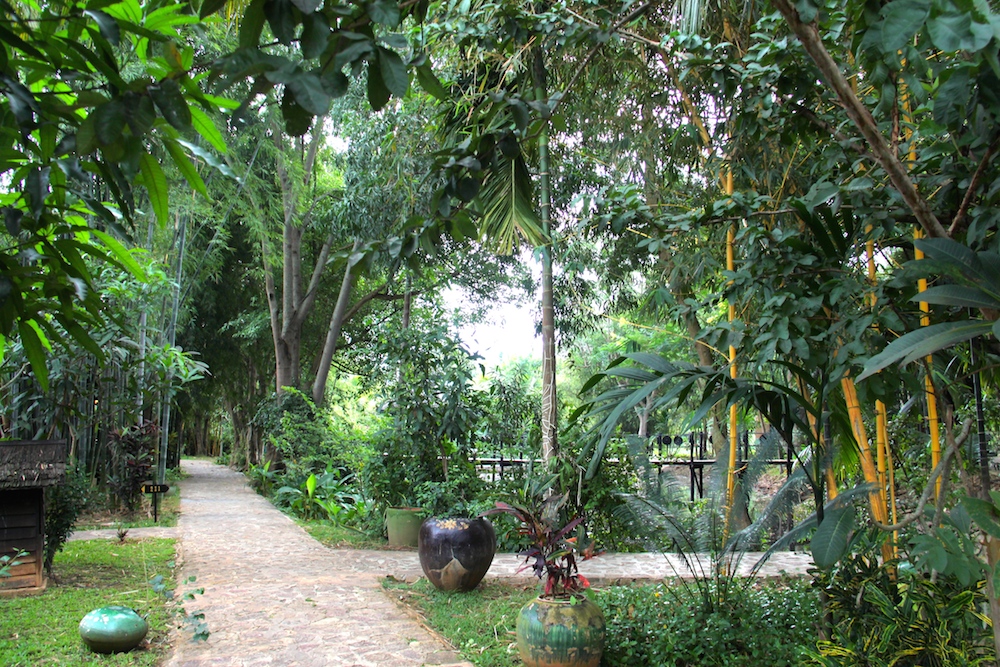
Ywama along the lake is where we visited the long necked women.

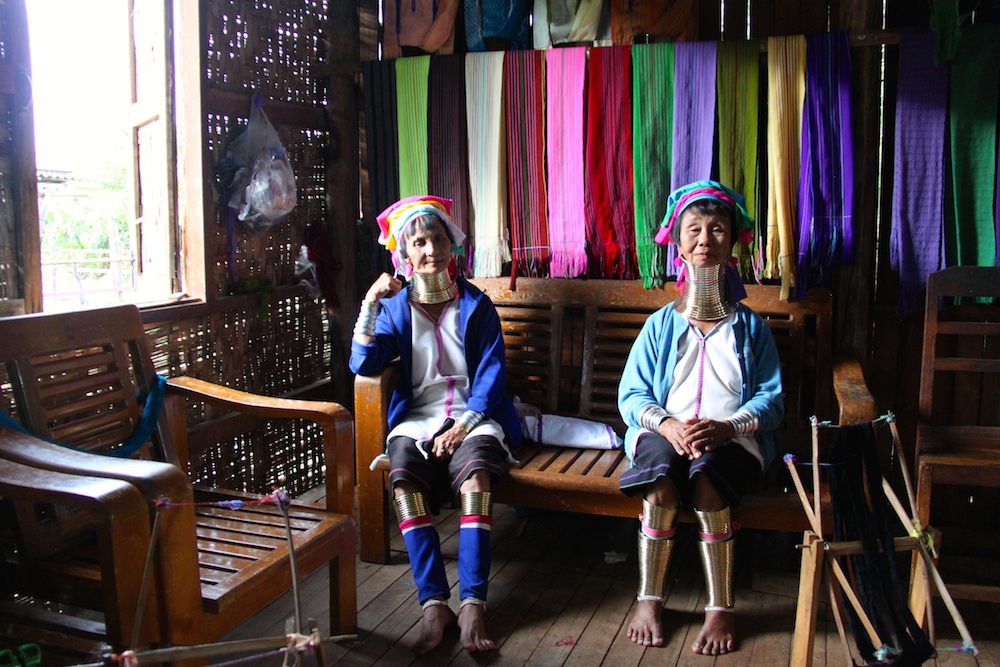
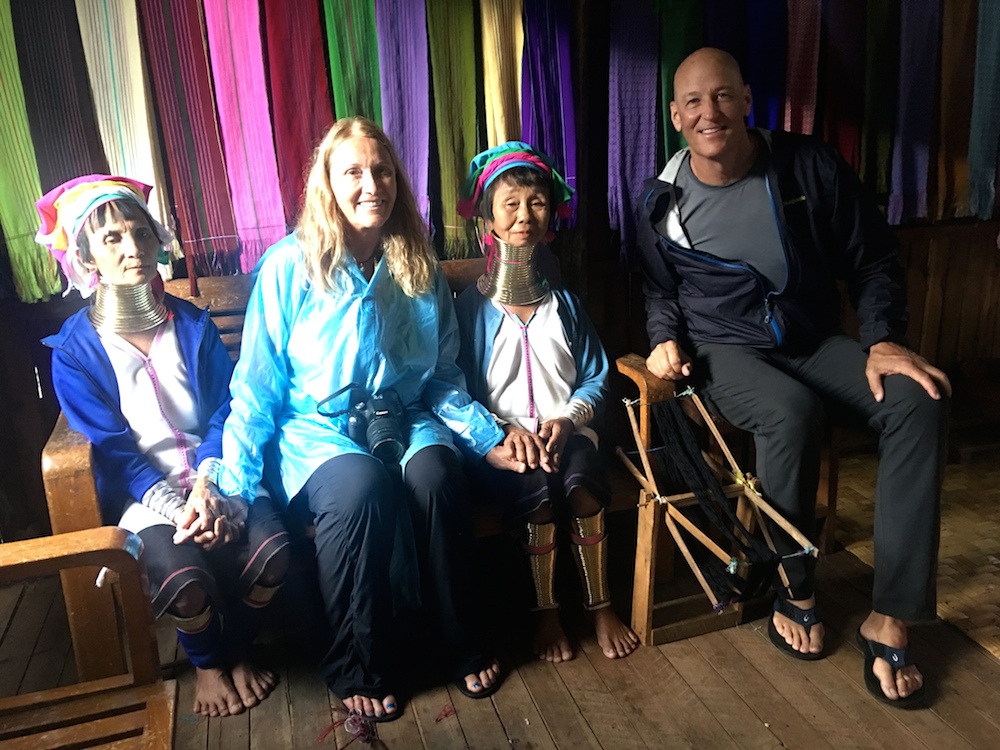
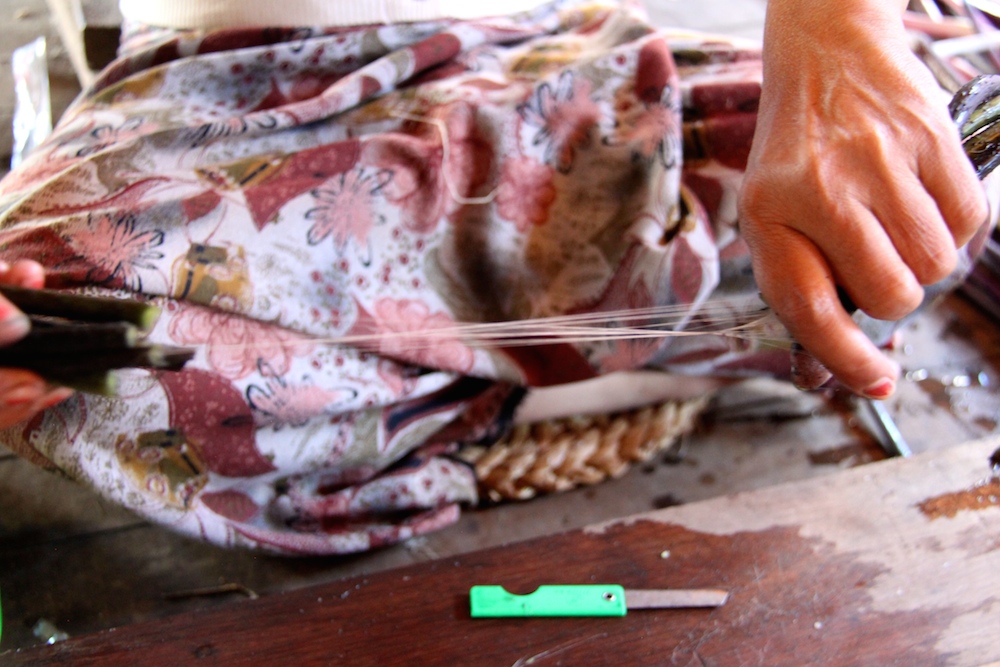
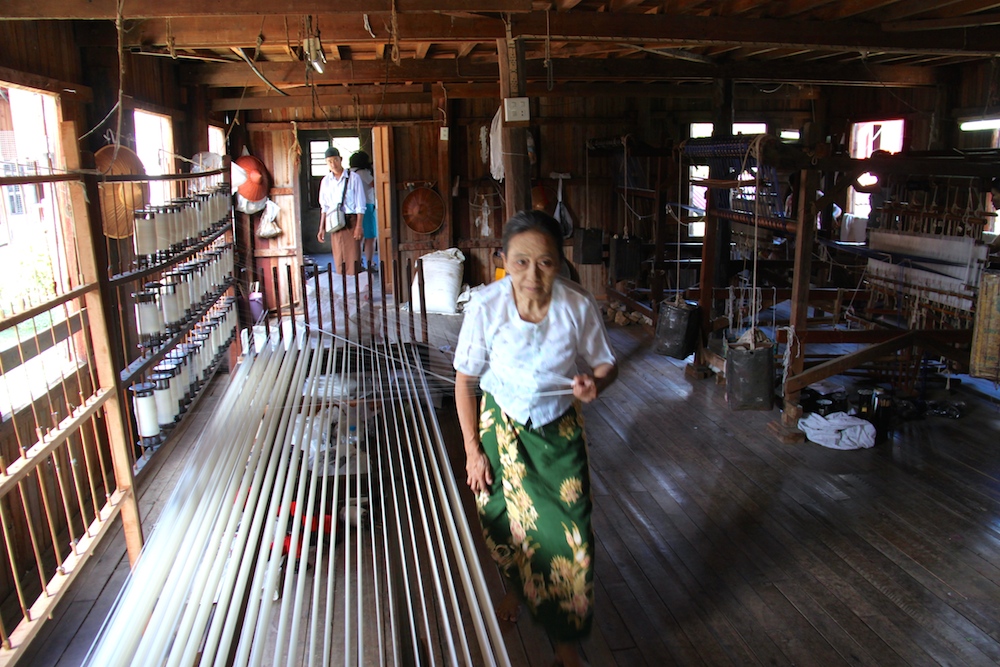
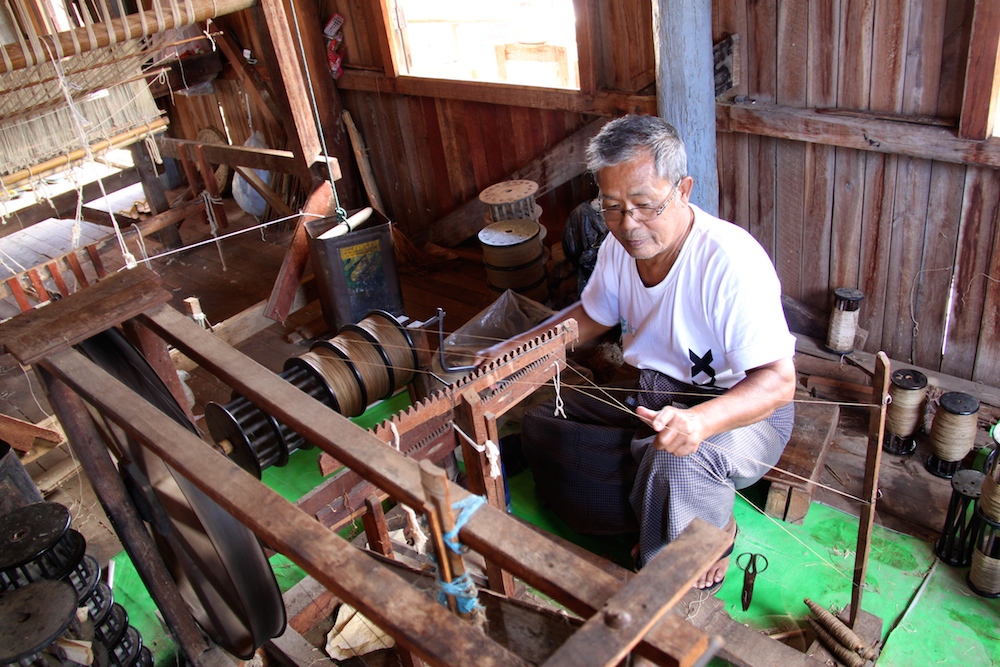
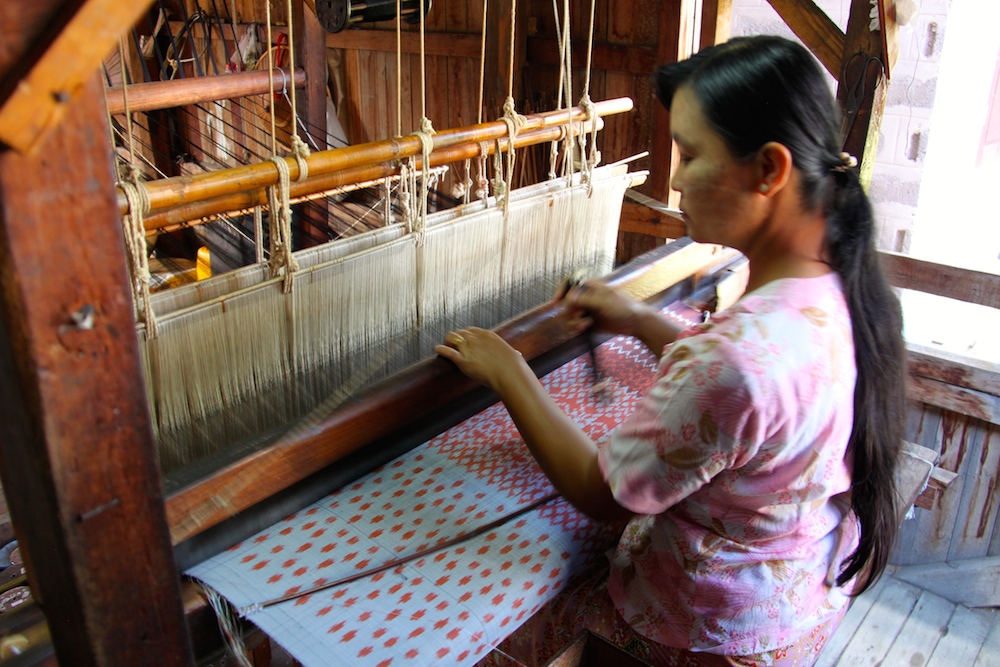
We went to see the weavers on the lake. They score the lotus stem and break it apart to get the threads and then use them to make fabrics. It is all a very old process. The lotus fabric is very expensive.

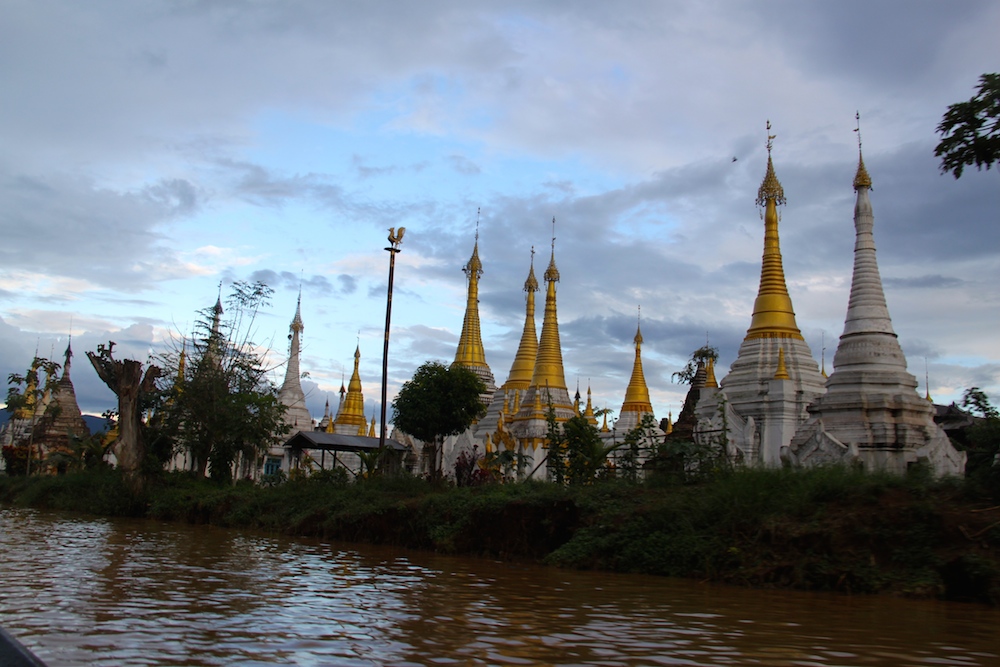
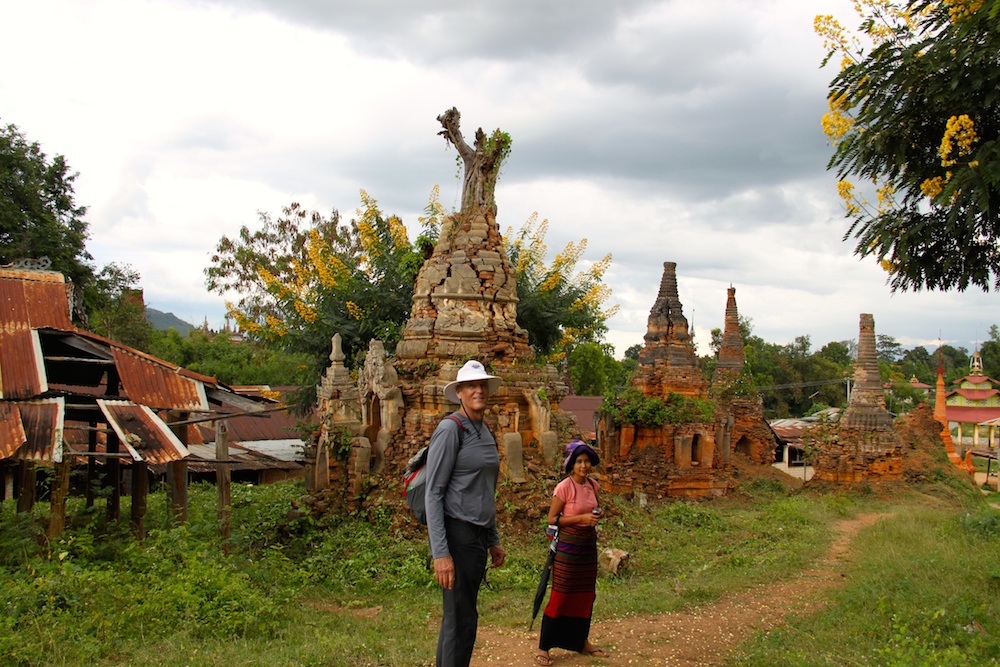
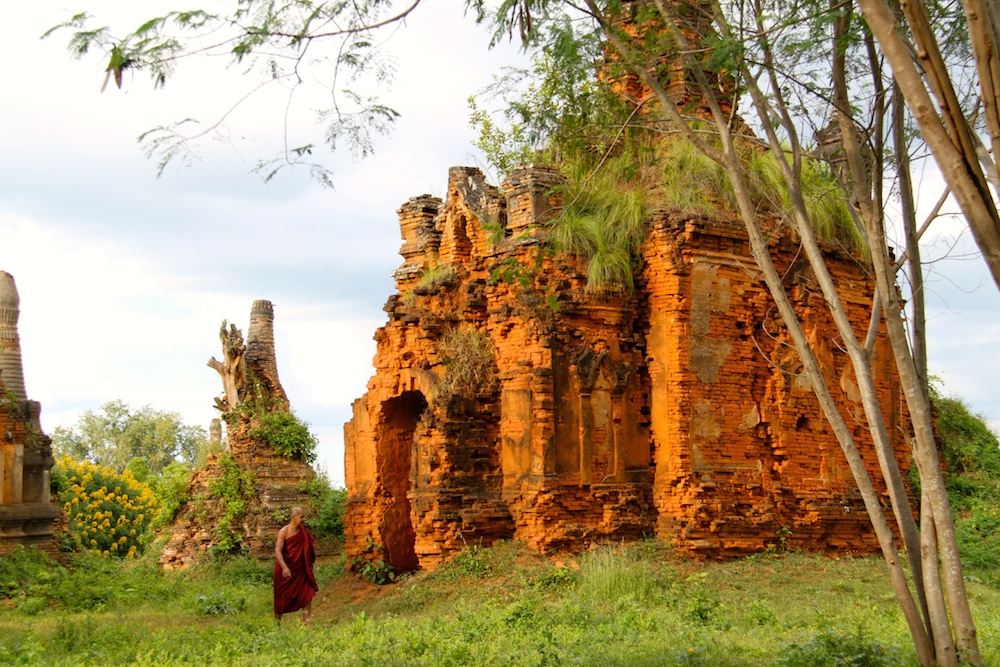
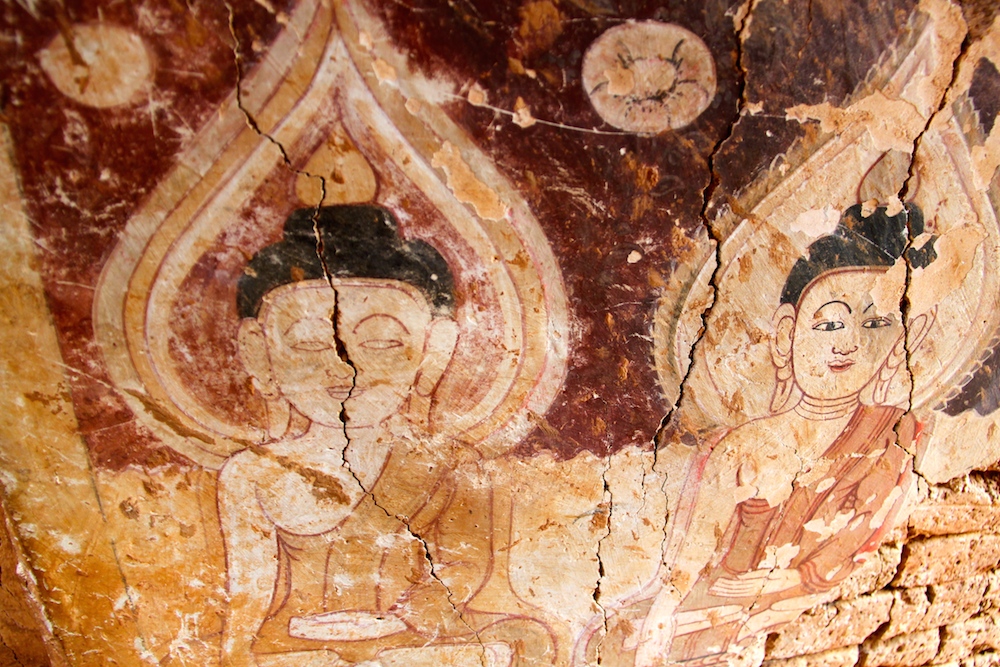
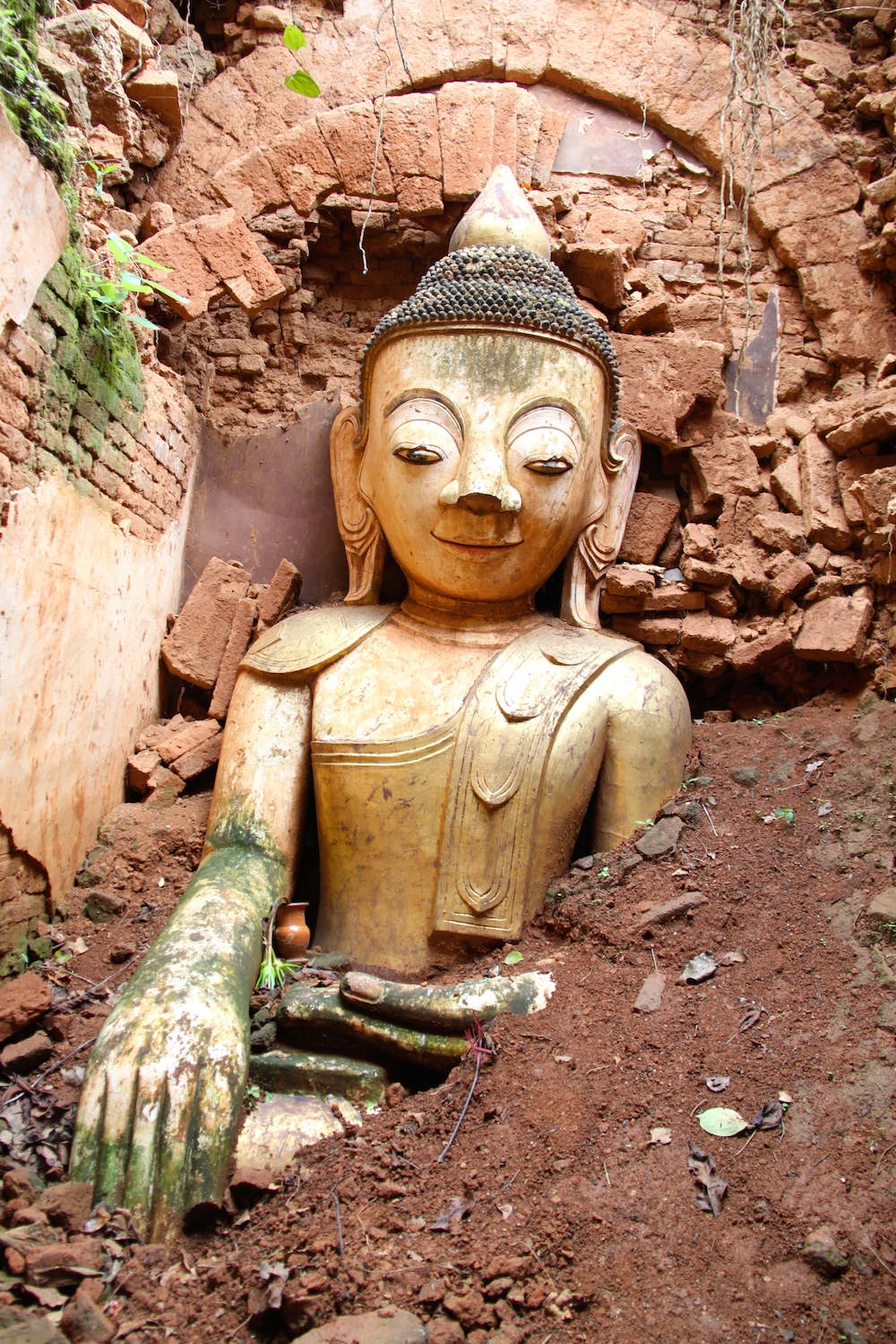
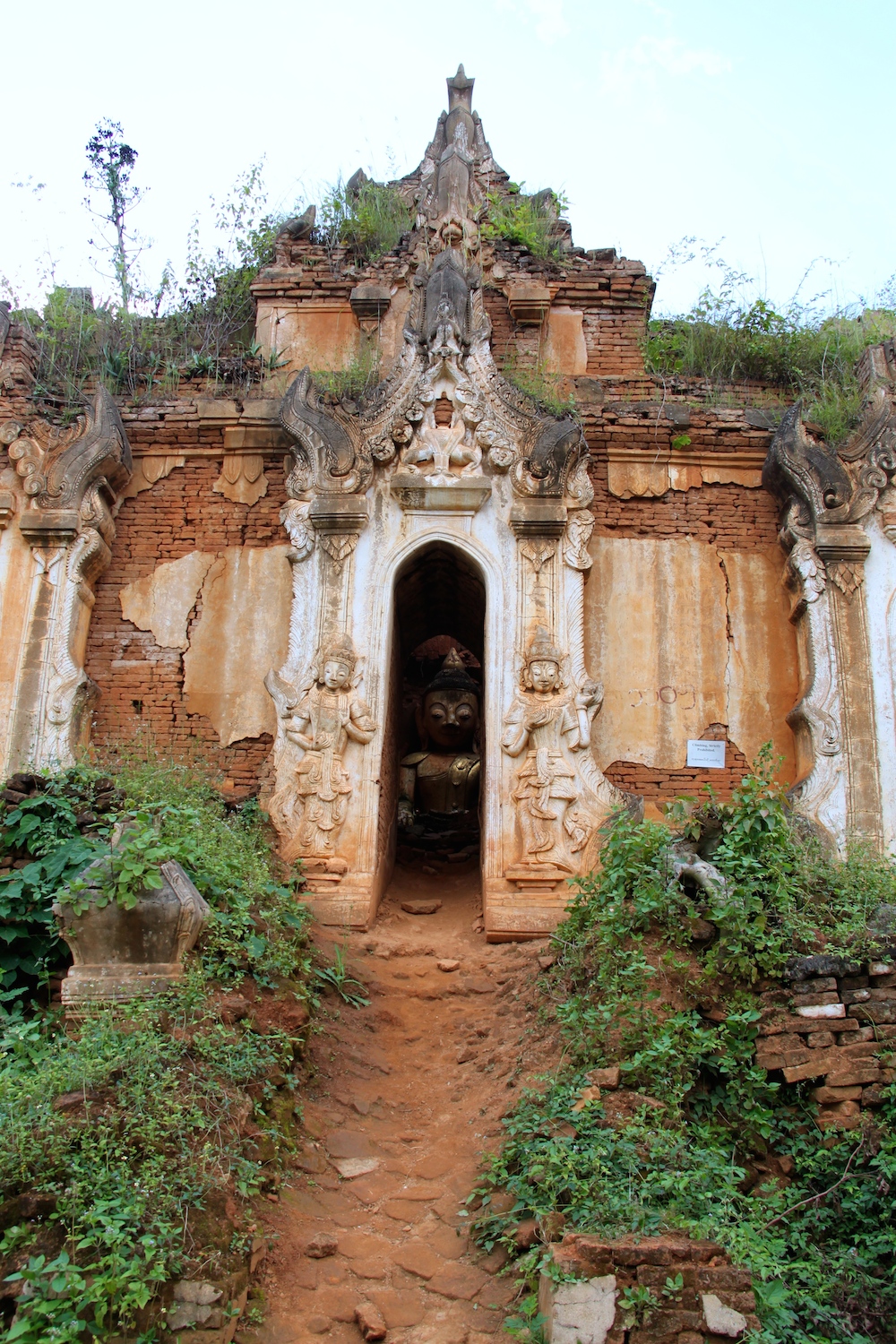
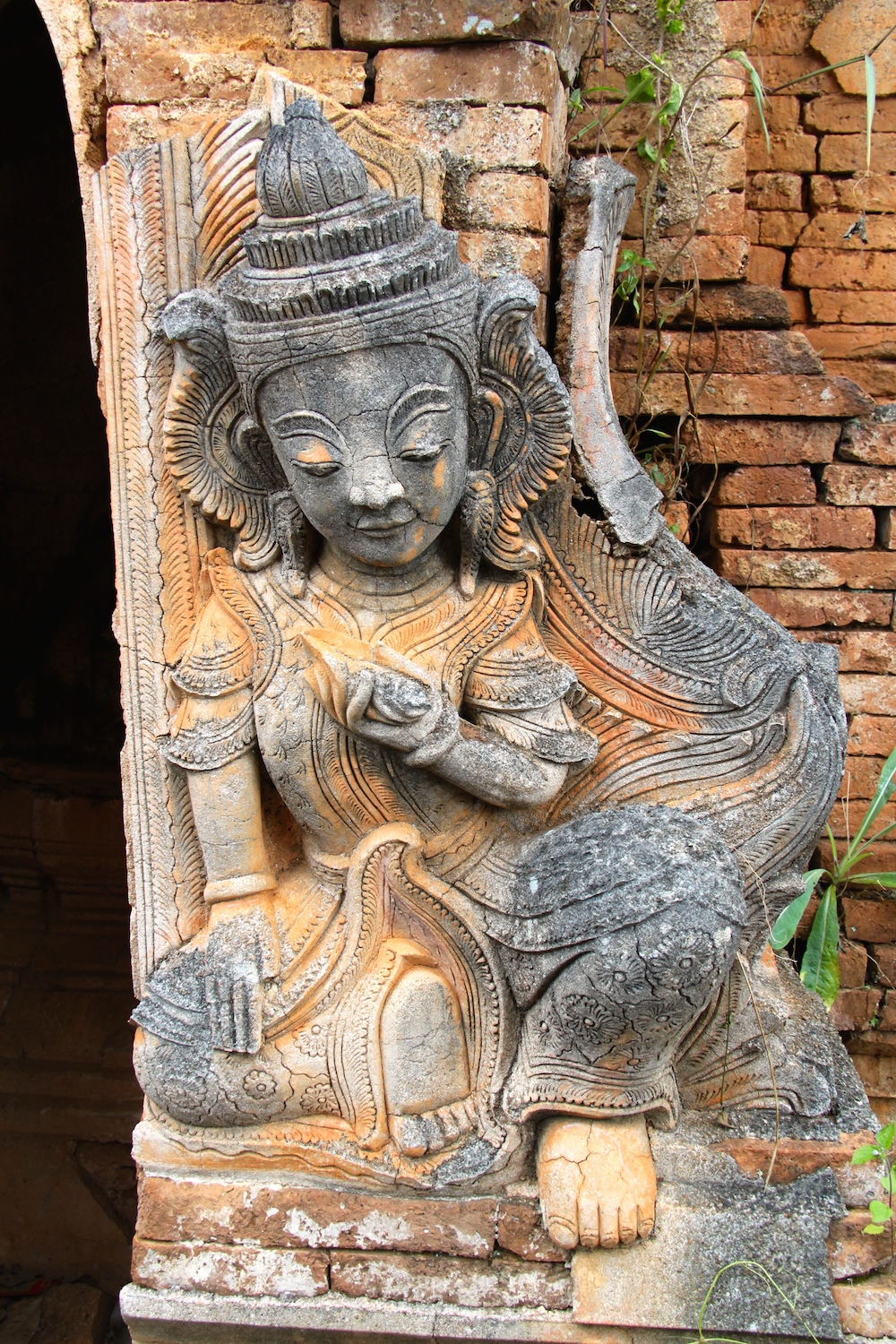
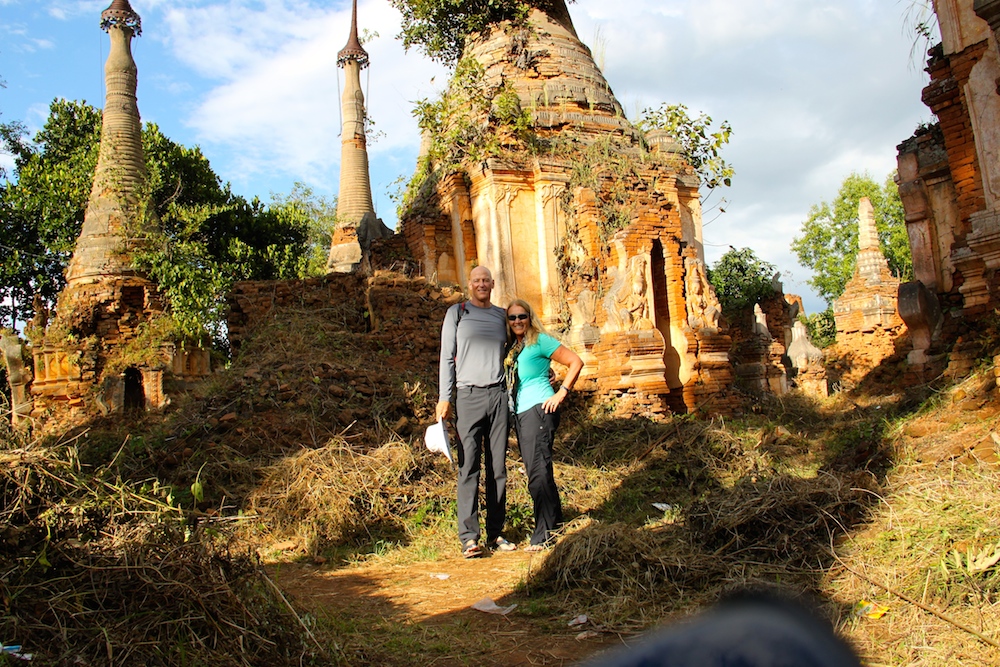
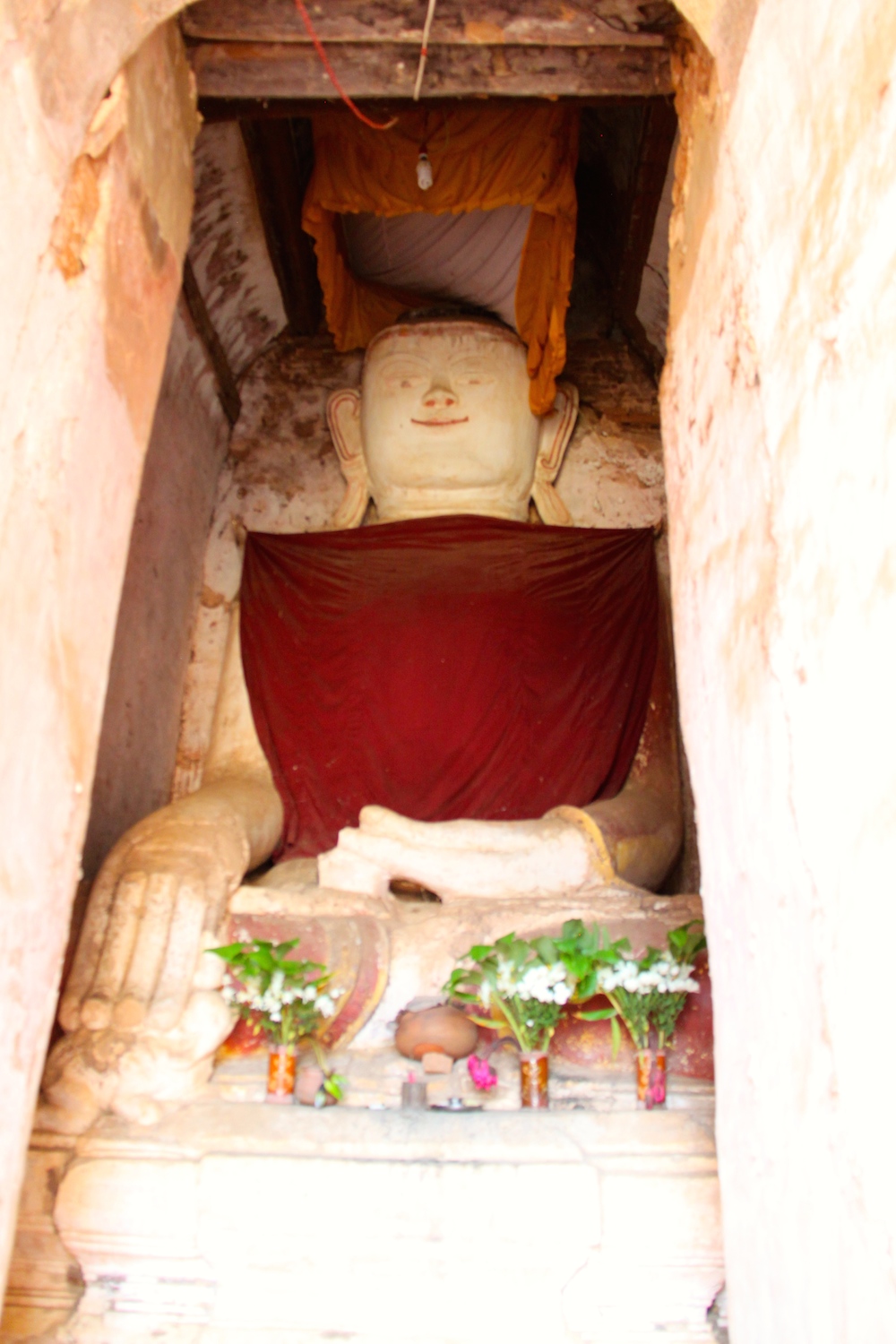
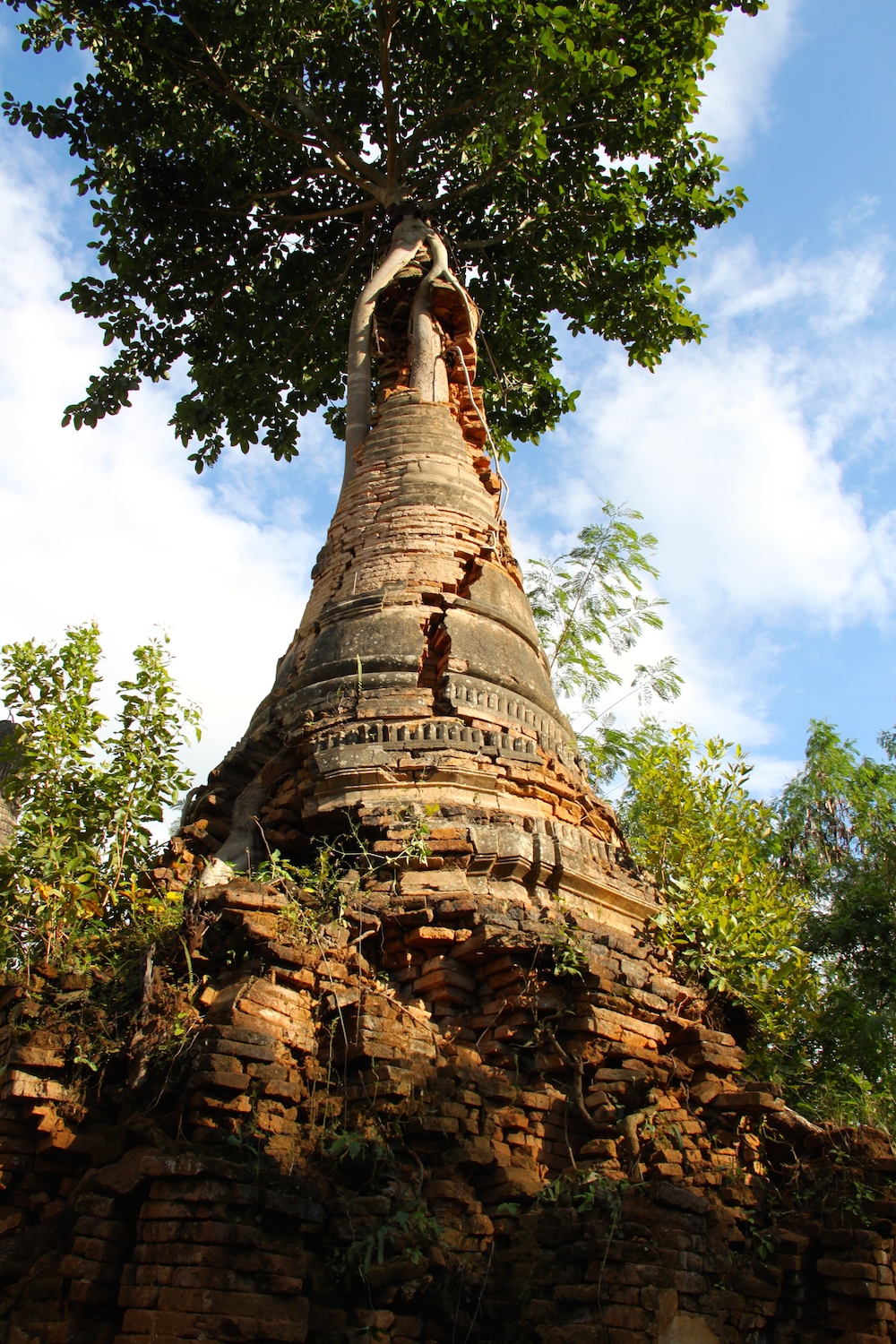
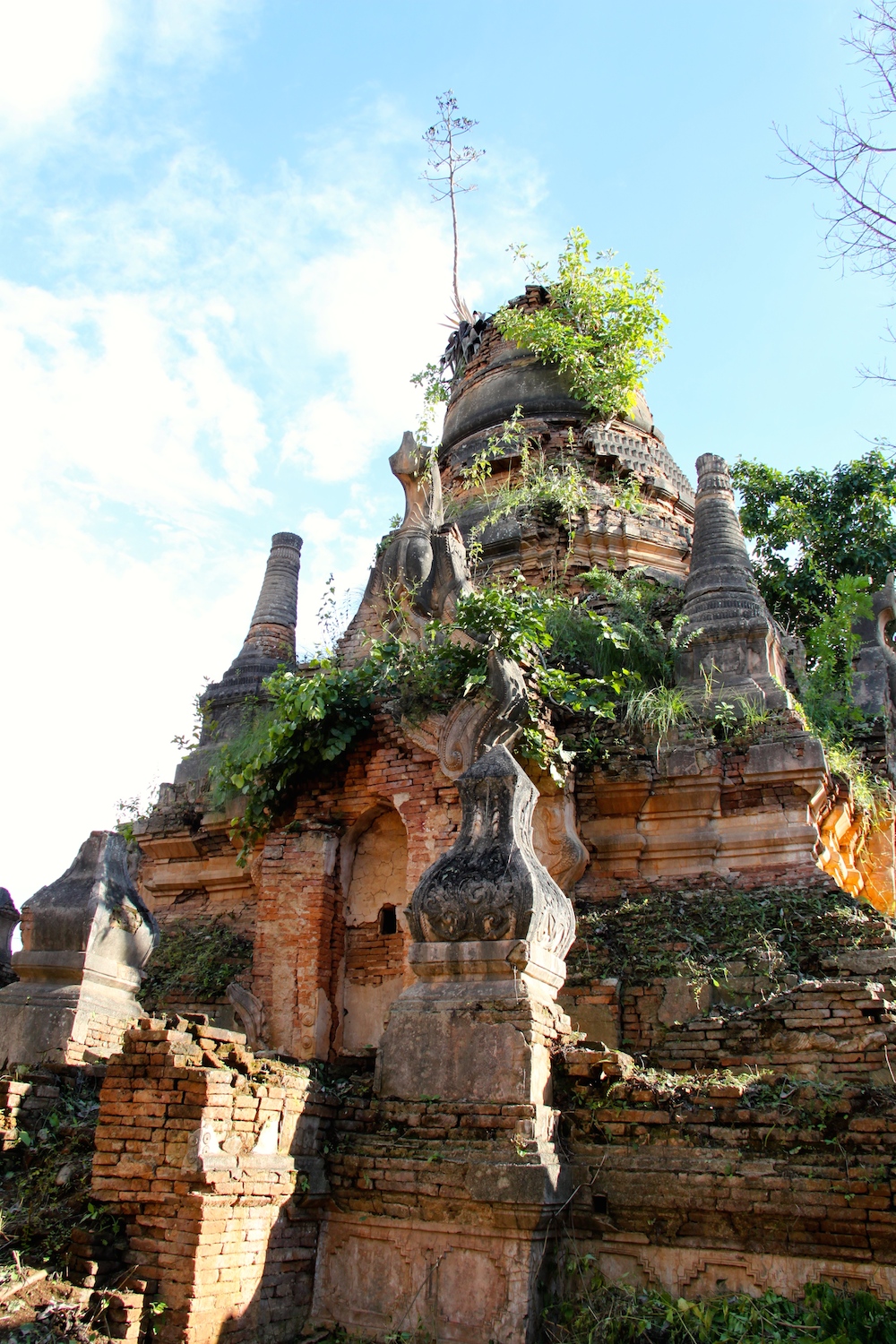
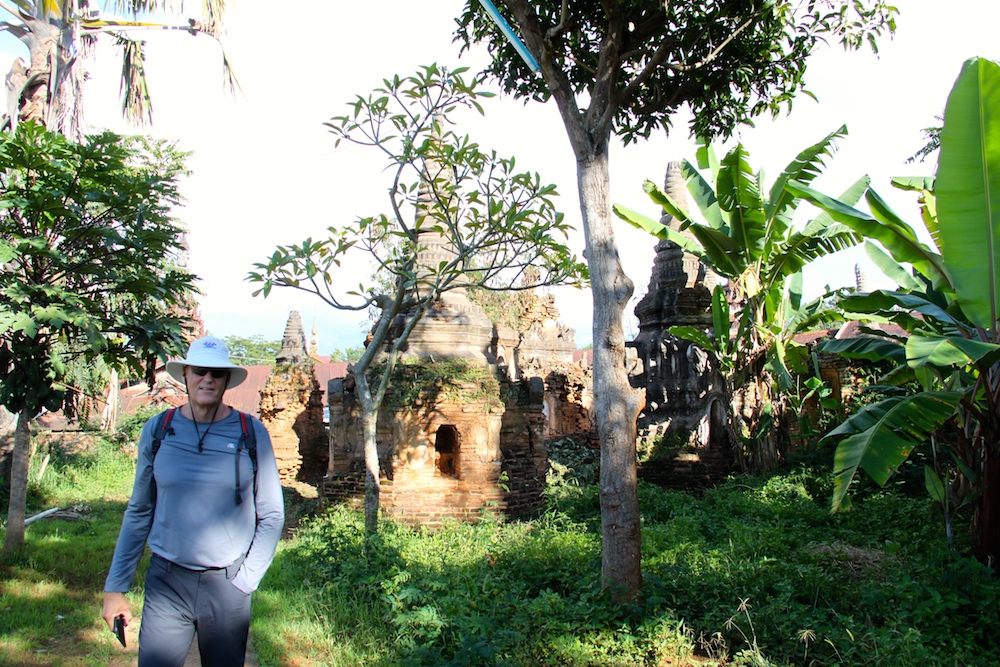
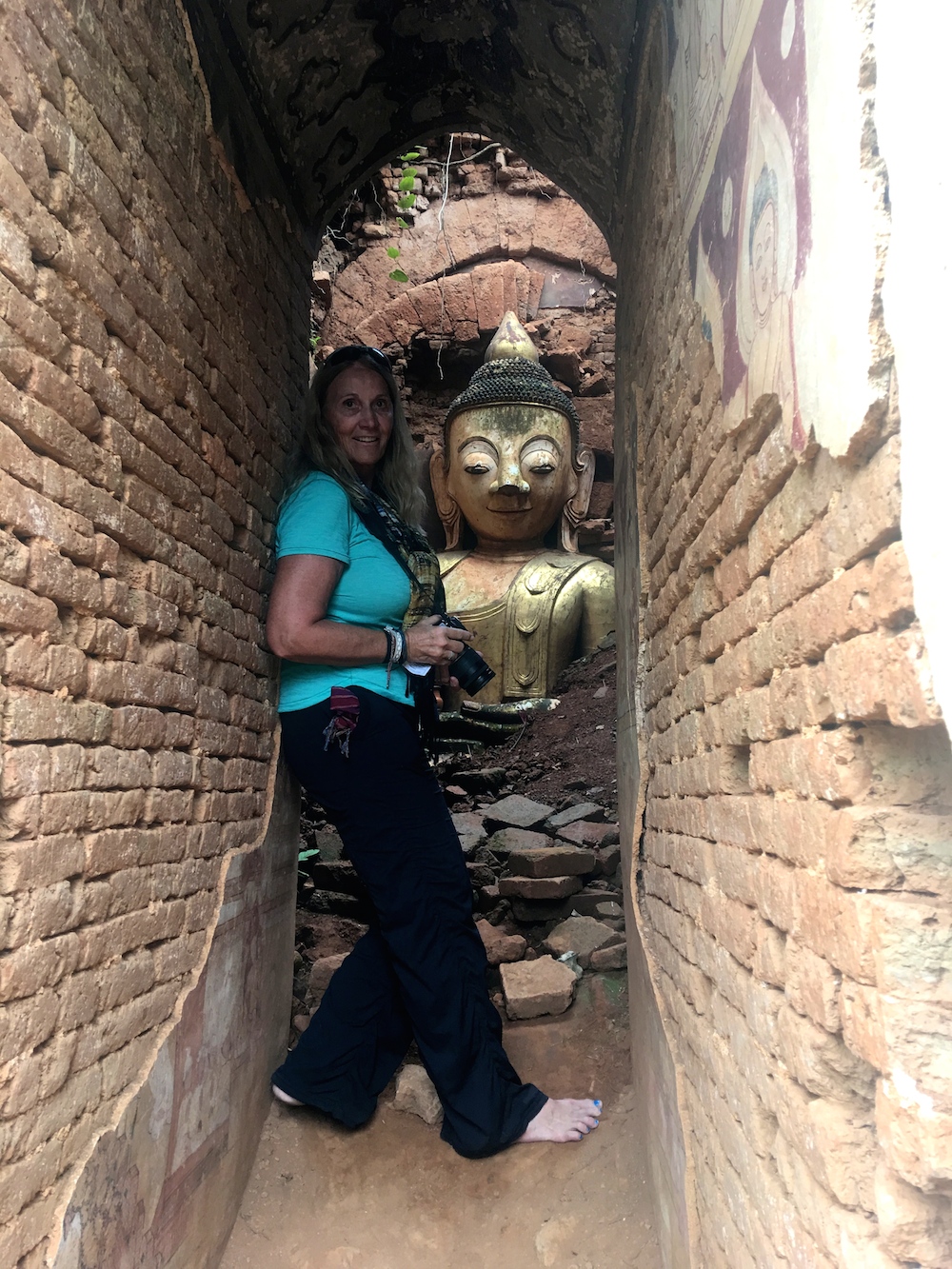
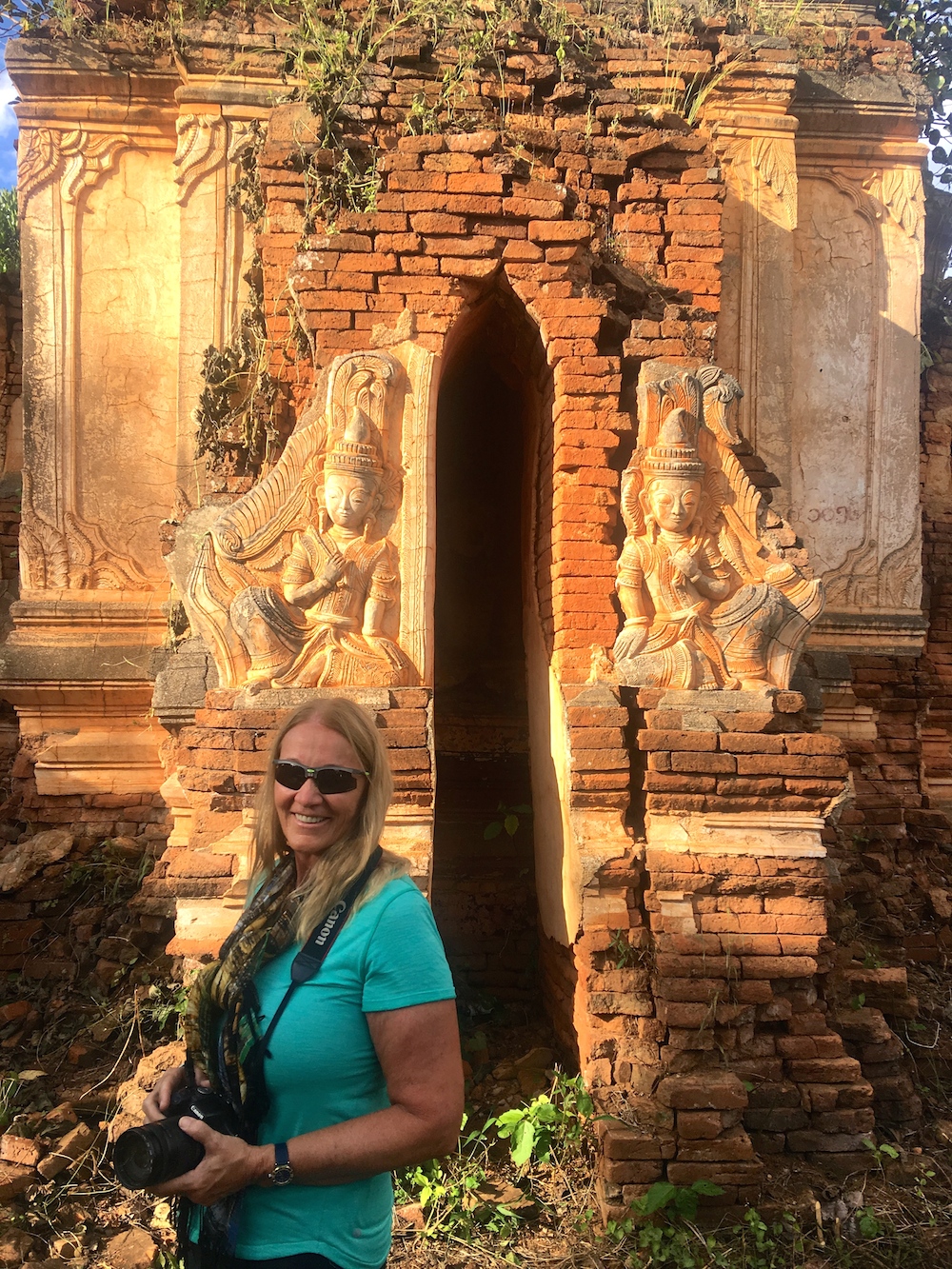
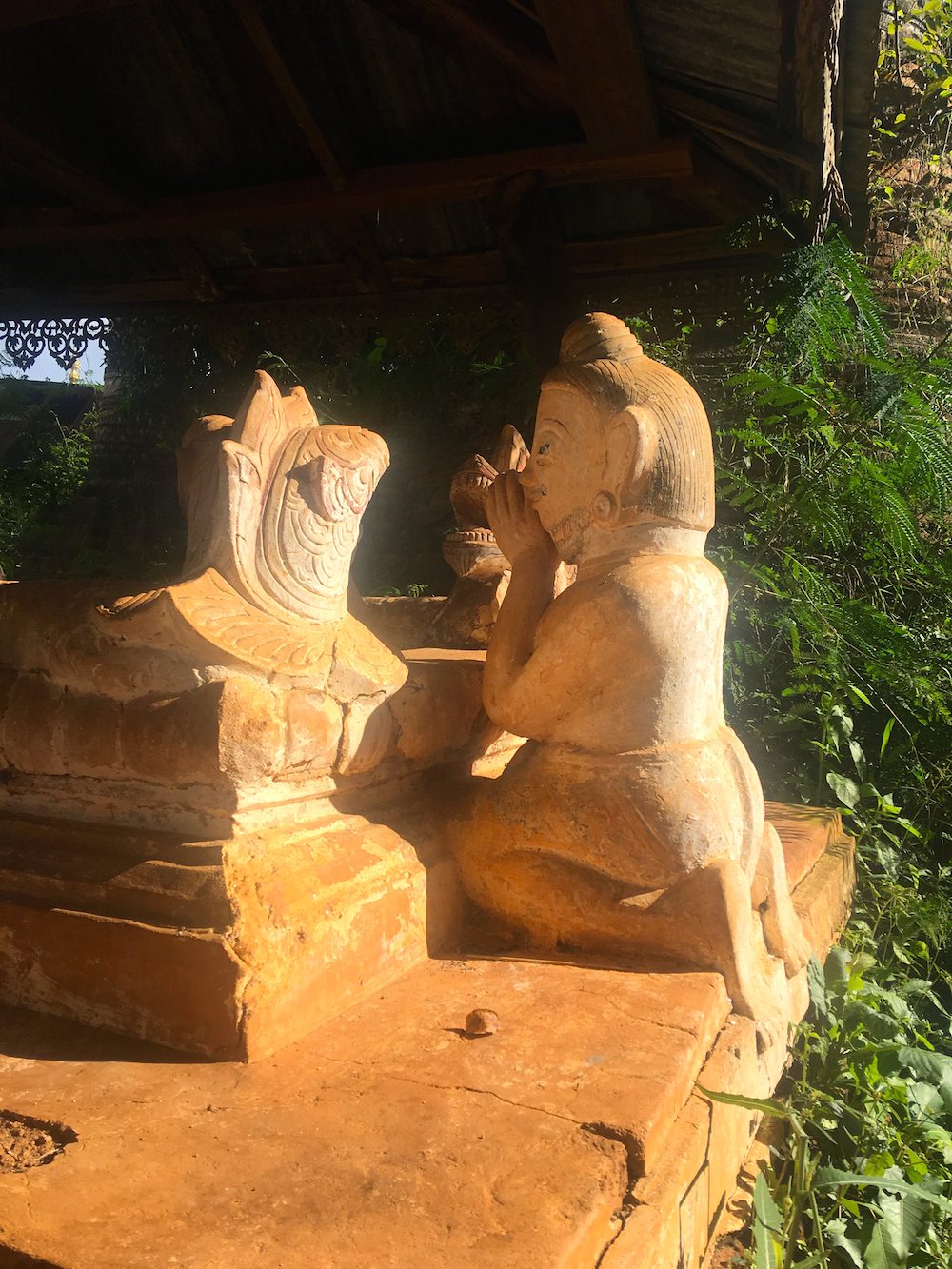
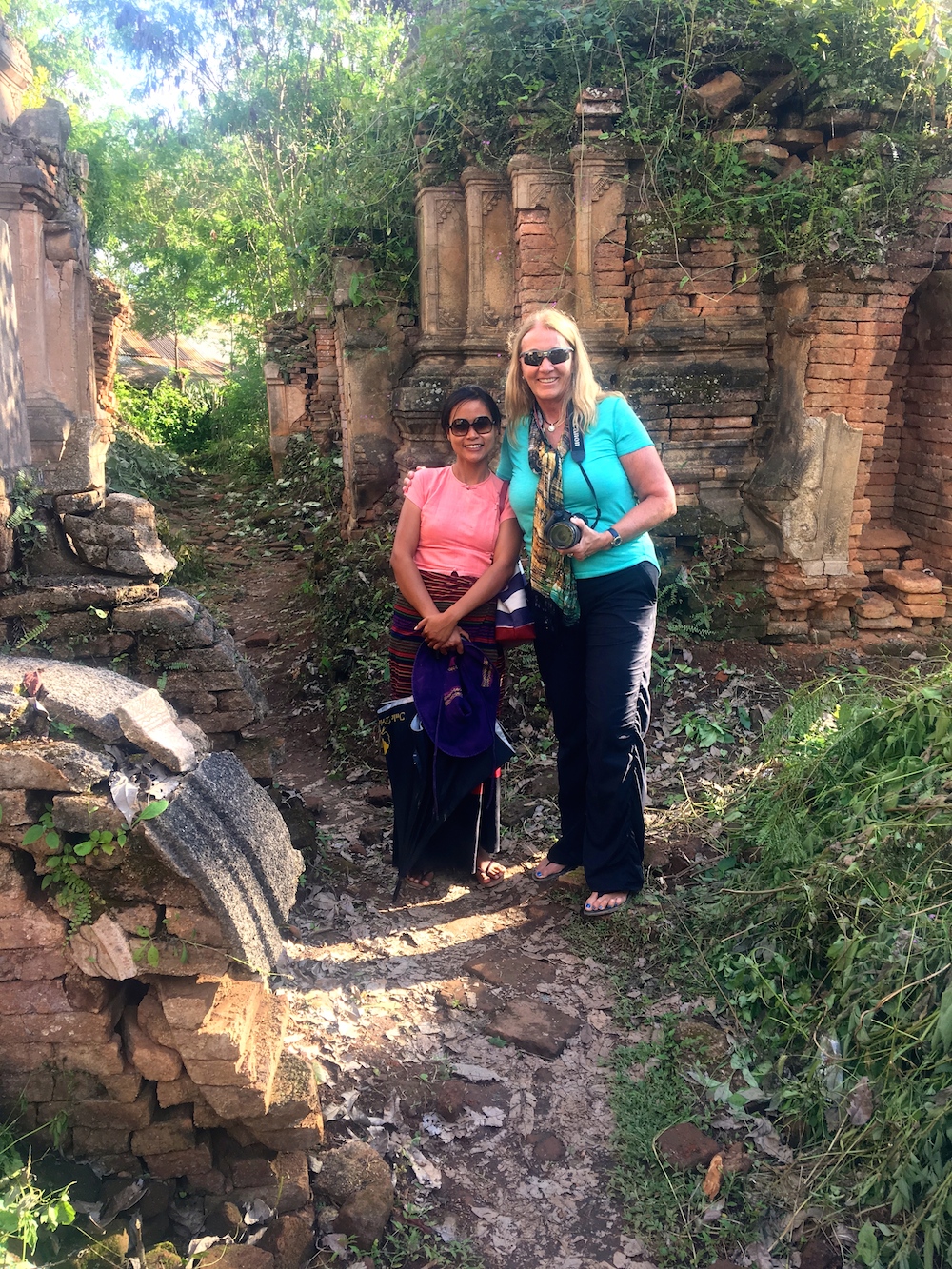
In Dein Gon is where we visited the crumbling Temples and Pagodas with trees growing around and through them. We had to take our long boat up one of the tributaries to reach it. UNESCO has persuaded the government not to restore these ancient places of worship.
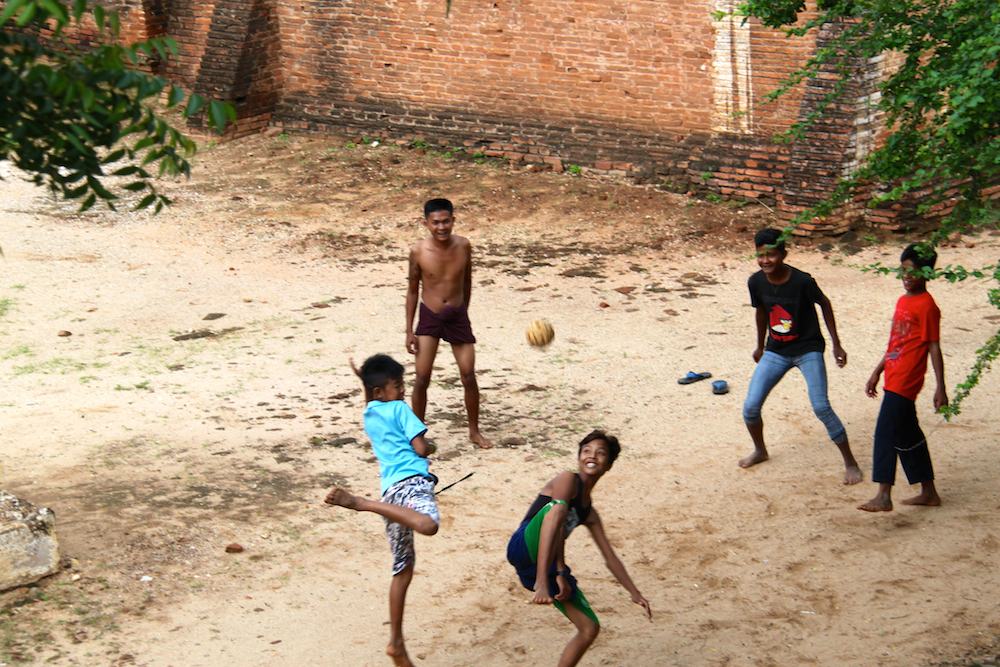
We walked over the hill to see a soccer game going on.
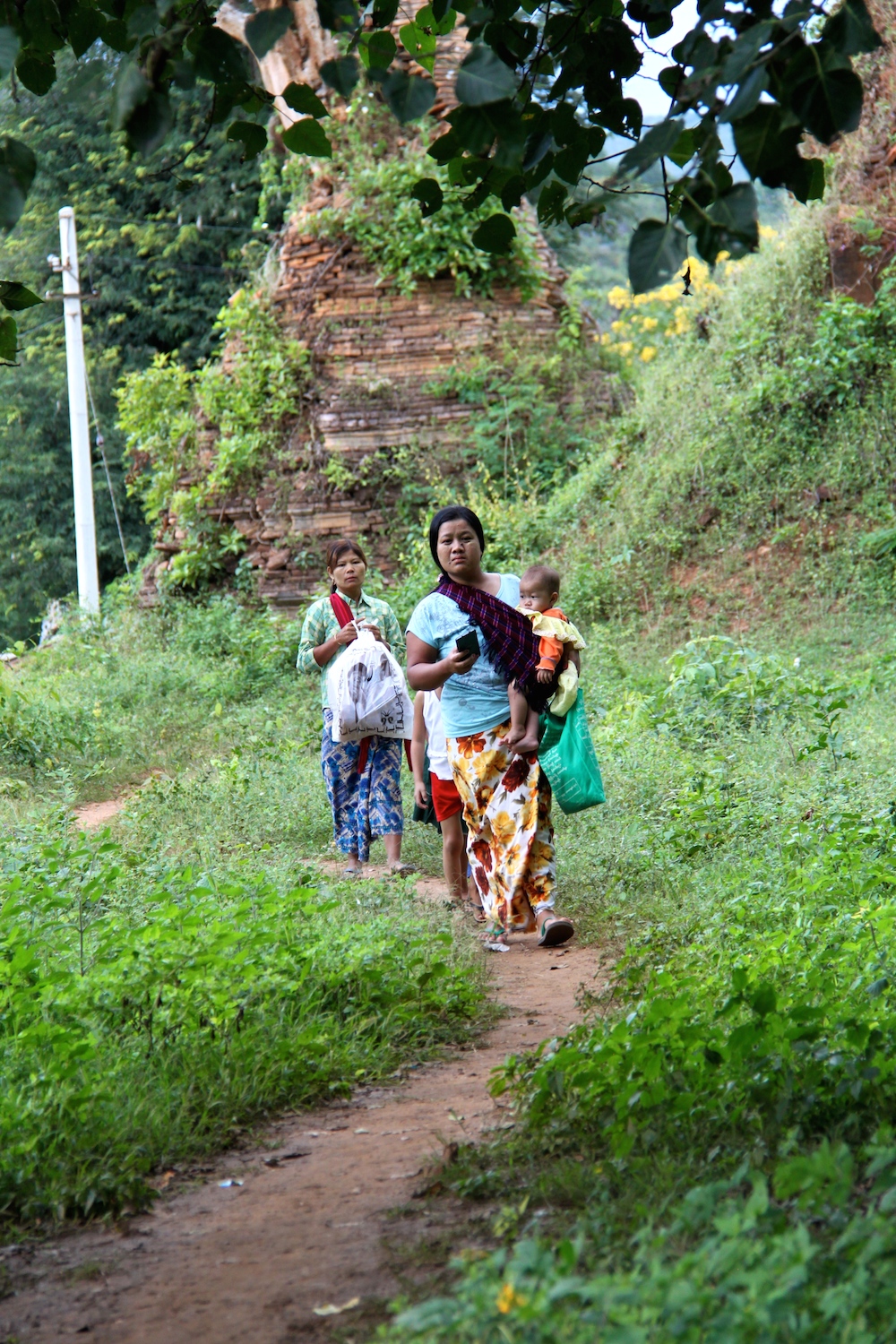
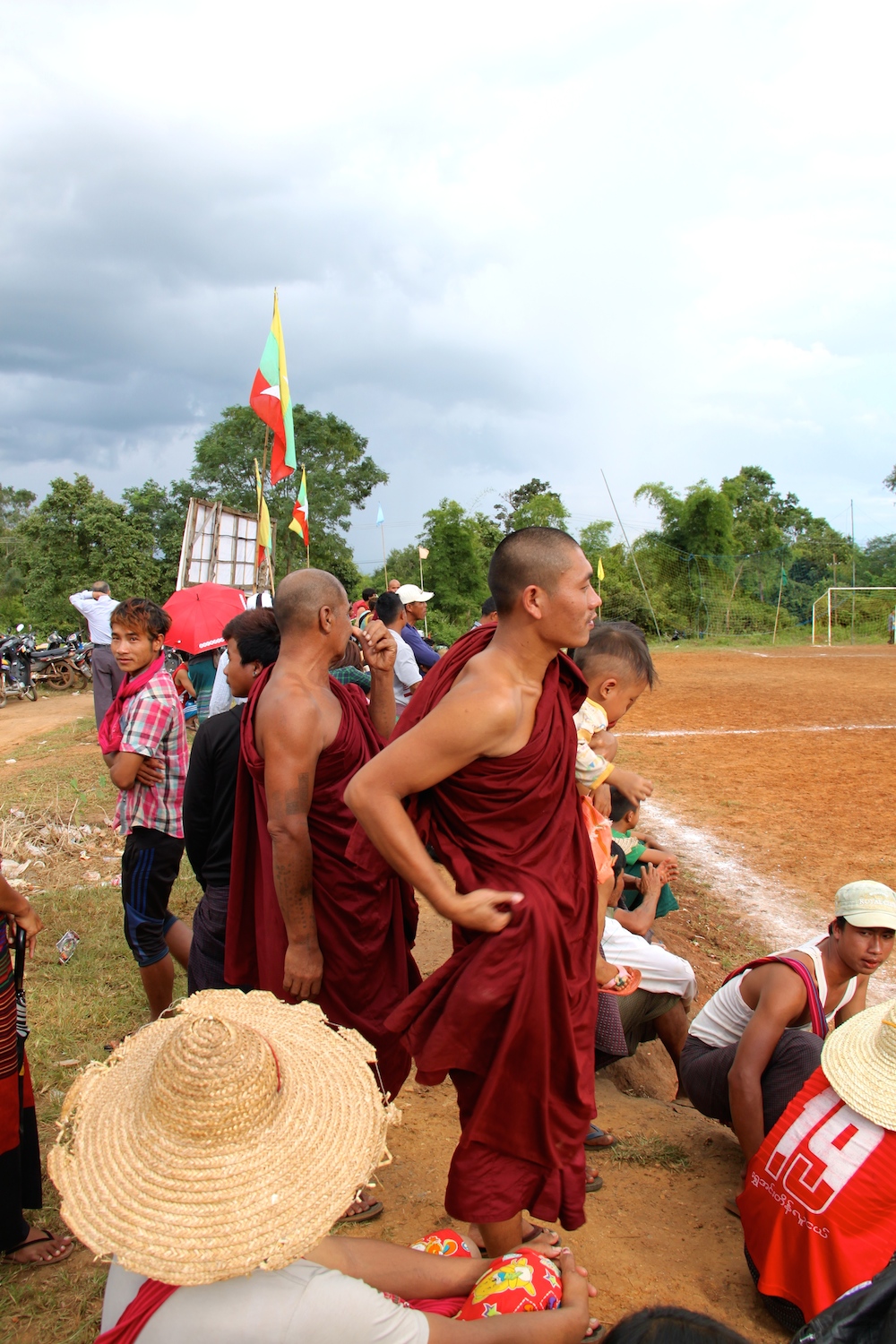
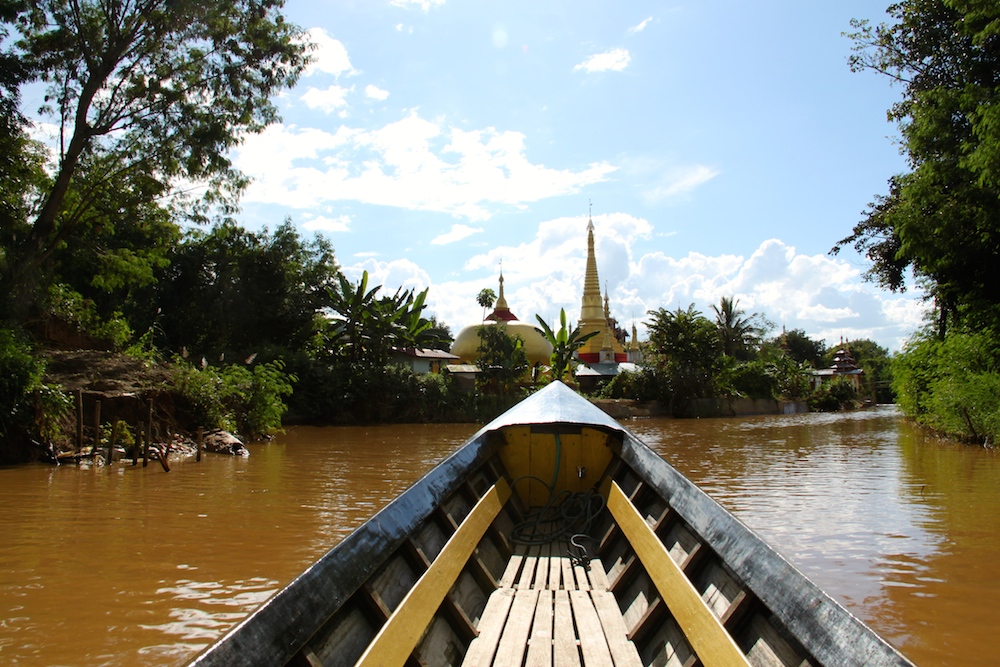
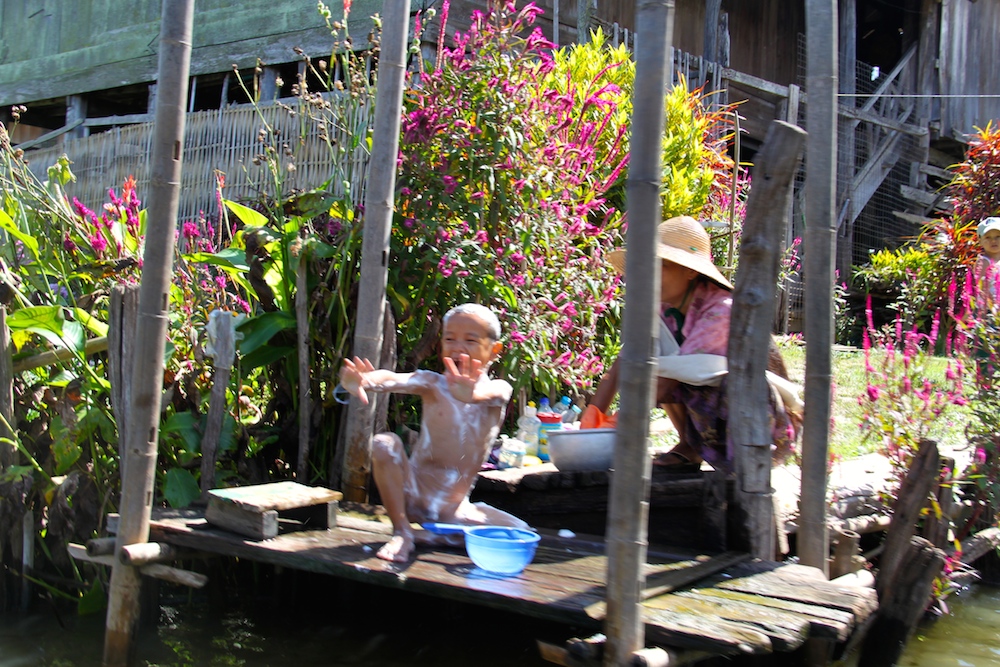
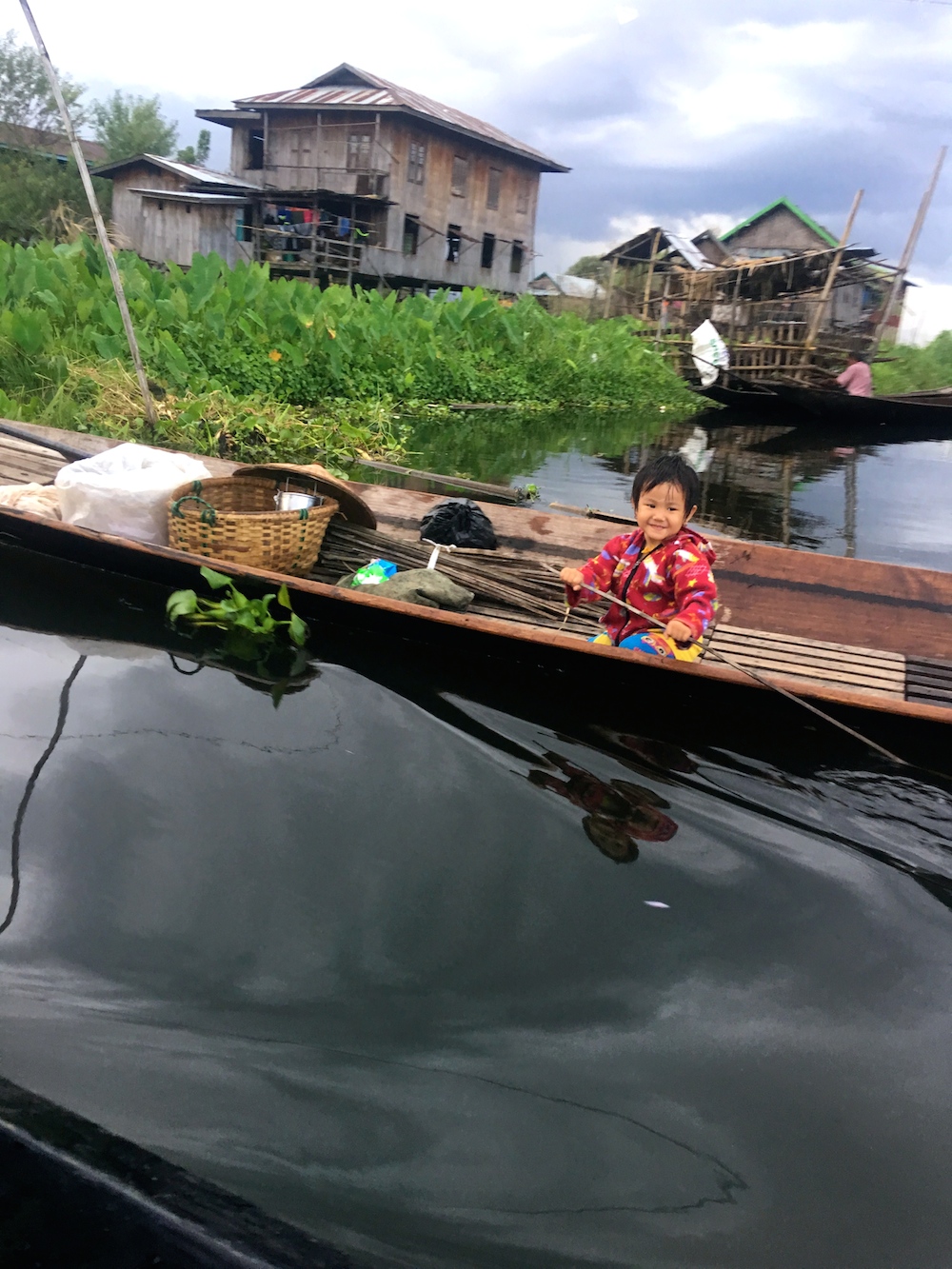
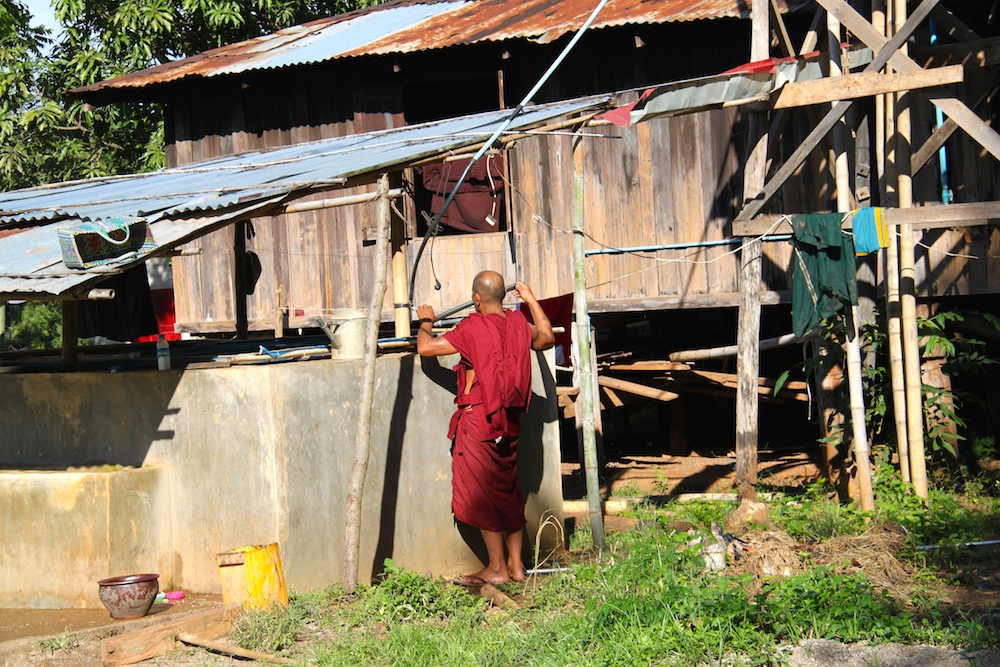
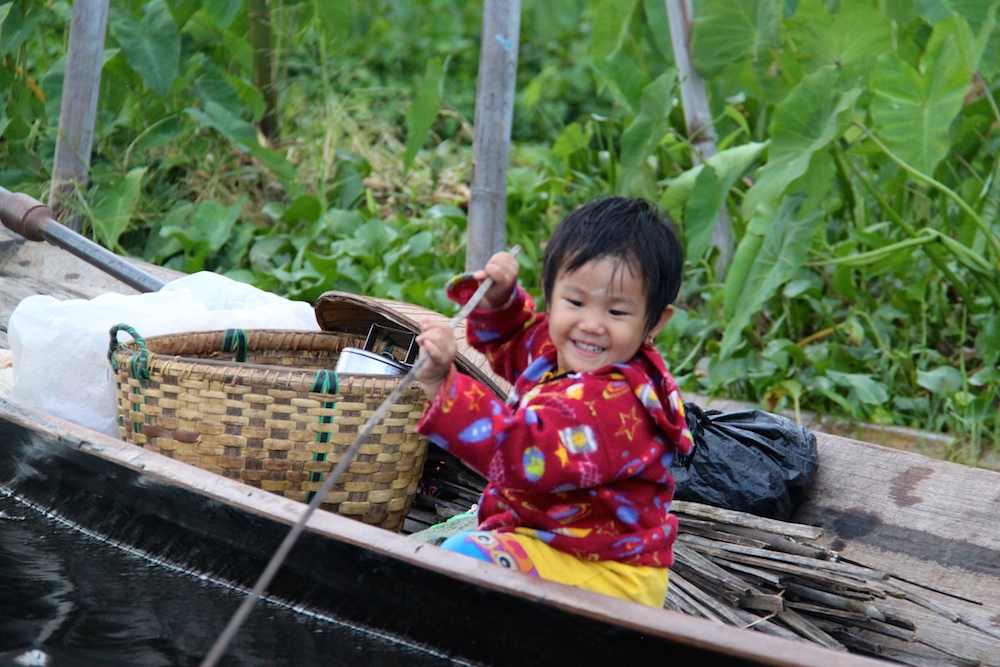
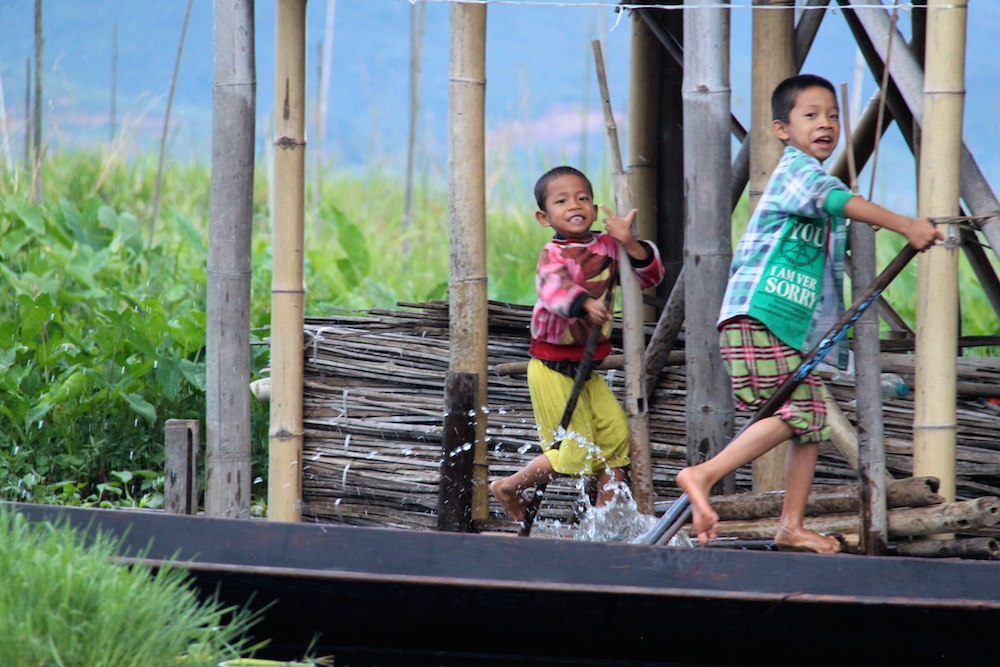
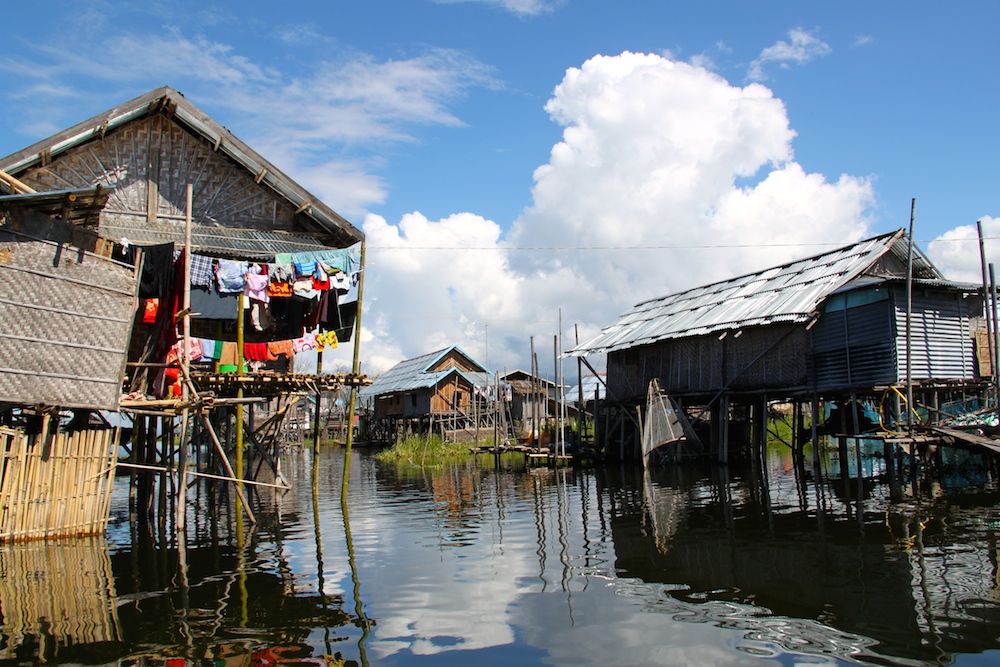
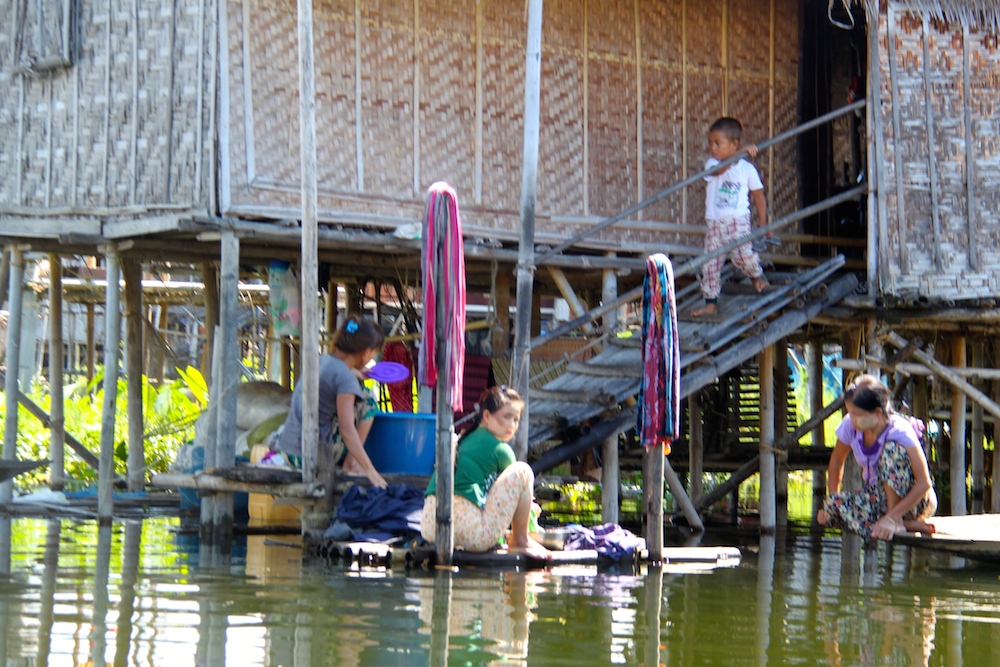
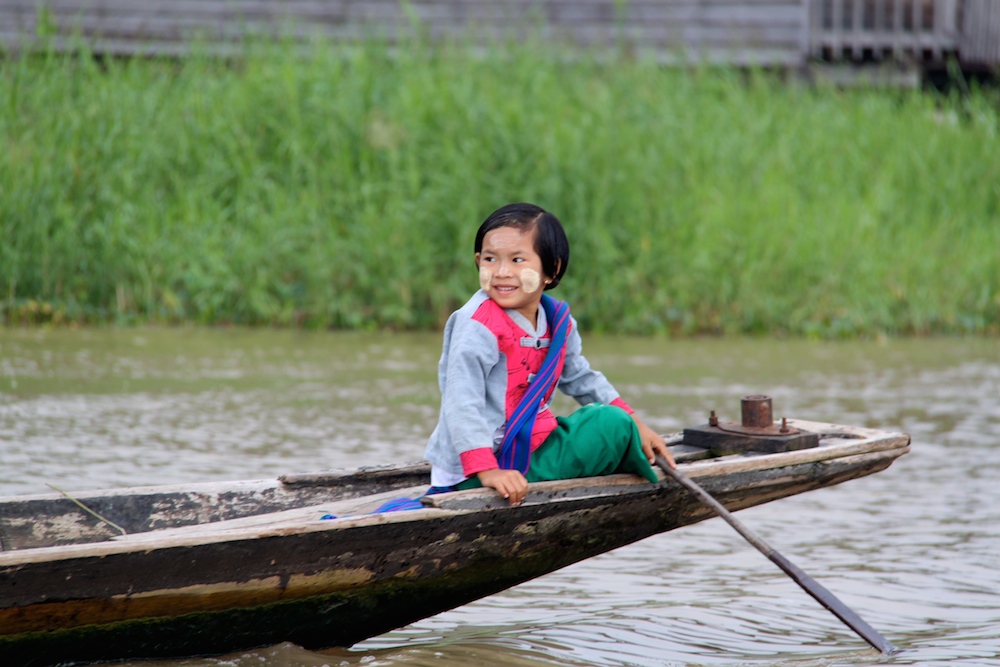
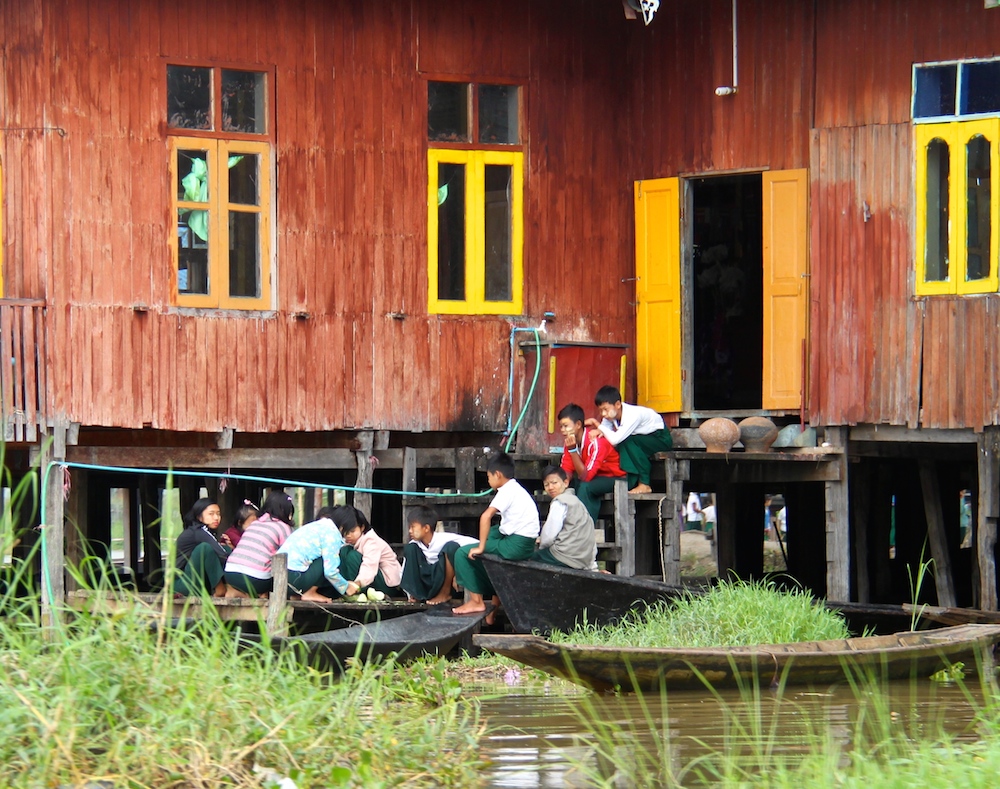
All activity of Inle Lake is either on the lake or next to it. Most of it is traveled by long boats. These are photos around the lake.




 Habitual Travelers